2026 Best Delivery Of Boxes Solutions For Global Buyers

Time:2026-09-14 Author:Oliver
0%

Global buyers need more than fast shipping in 2026. They need predictable Delivery Of Boxes across different climates, markets, and supply chains. A box may leave a warehouse in Rotterdam, cross humid sea air, and arrive in Singapore with fragile contents still protected. That result depends on accurate dimensions, tested materials, reliable carriers, and clear tracking.

Frank Appel, former CEO of DHL and a respected logistics leader, said, “Logistics is the backbone of global trade.” His observation remains highly relevant for modern box delivery. Efficient logistics connects manufacturers, retailers, and customers without sacrificing visibility or product safety. However, delivery performance is never perfect. Weather, port congestion, address errors, and changing import procedures can still create delays. Buyers should plan for these weaknesses instead of assuming every shipment will move smoothly.

The best 2026 solutions will combine strong packaging design with practical digital tools. Buyers can compare carton strength, load capacity, delivery routes, insurance options, and carbon reporting before placing large orders. Real-time alerts can identify stalled shipments early. Standardized labels can reduce handling mistakes. Reusable packaging may lower waste, but it can also increase return complexity. That trade-off deserves careful review.

Reliable Delivery Of Boxes is therefore a balance between speed, protection, cost, and responsible operations. Global buyers should examine supplier records, testing evidence, customer support, and delivery exceptions. Cheap shipping can become expensive after one damaged pallet. Sometimes, slower is safer.
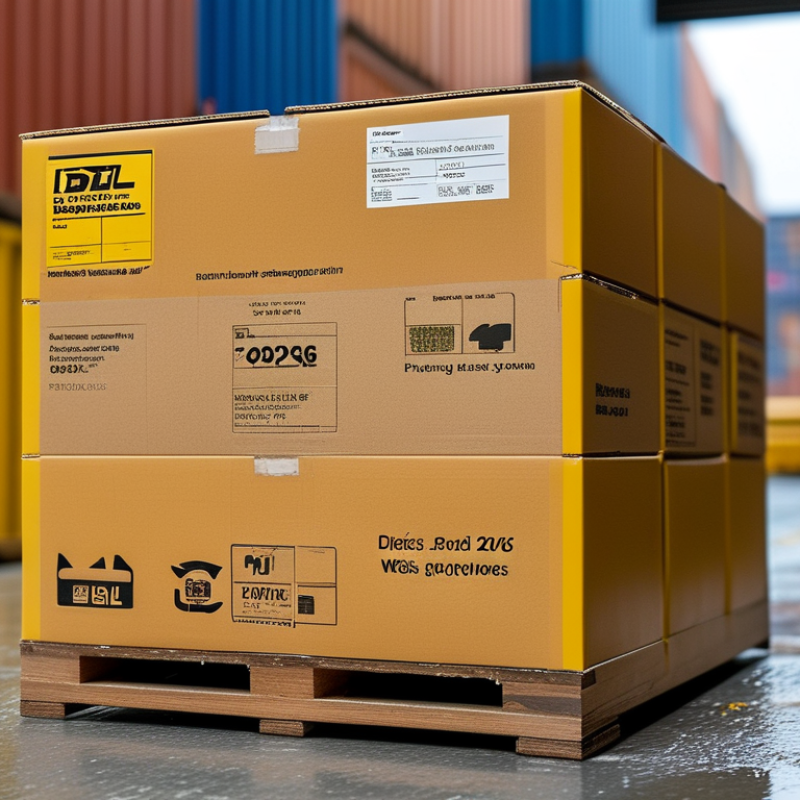
2026 Best Delivery Of Boxes Solutions For Global Buyers

Global Box Delivery Demand: 161.1B Parcels in 2023 (Pitney Bowes)

Global parcel demand reached an estimated 161.1 billion shipments in 2023, according to a widely cited parcel-volume report. This figure shows how quickly online purchasing has reshaped box delivery for global buyers. Every shipment needs more than speed. It needs the right box size, protective materials, clear labeling, and predictable tracking.

A practical delivery solution starts with product details. Measure the item, test its weight, and leave enough space for cushioning. Oversized boxes increase transport costs and may suffer more damage. Compact packaging usually performs better, but not always. Fragile products need room to absorb impact. I have found that a small packaging trial can reveal problems before large-scale shipping begins.

Global buyers should compare delivery routes, handling procedures, customs documentation, and estimated arrival windows. A low quoted price can hide storage fees, remote-area charges, or repeated handling. Weather and seasonal demand also affect delivery performance. Build a small time buffer. It feels inefficient, yet it often protects customer trust. Tracking updates should be accurate, readable, and available after dispatch. Packaging teams should review damaged parcels regularly, record the causes, and adjust box strength or internal protection. Mistakes still happen. Good systems learn from them.

Buyer Needs and Delivery Modes: 80% Seek Sustainable Options (DHL, 2024)

2026 Best Delivery Of Boxes Solutions For Global Buyers

Global buyers are changing how they judge box delivery. A 2024 logistics survey reports that 80% seek more sustainable options. This demand affects packaging, transport, and supplier selection. Buyers now ask about recycled content, shipment distance, and disposal methods. They also expect clear delivery records.

The box itself matters. Right-sized cartons reduce empty space and unnecessary material. Recycled cardboard can protect products when its strength matches the load. Water-based printing may reduce chemical concerns. For fragile goods, corner protection and moisture barriers remain practical. Small details matter. A crushed corner can create returns, delays, and customer complaints.

Delivery mode should match the product and deadline. Ocean or rail transport usually supports lower-emission planning for large, predictable orders. Road delivery can serve regional distribution centers efficiently. Air freight may suit urgent items, but its environmental cost is higher. Consolidated shipments can reduce wasted capacity, although they may require more careful scheduling. In packaging reviews, teams often discover that sustainable choices increase handling time. That trade-off needs honest measurement. No solution is perfect. A better process records damage rates, delivery time, material use, and buyer feedback, then adjusts box sizes and transport plans.

Box Design and Protection: 59% of Parcels Face Damage Risks (ISTA)

Box design is a protection decision, not merely a visual choice. The International Safe Transit Association (ISTA) reports that 59% of parcels face potential damage during distribution. This risk grows when boxes experience drops, vibration, compression, and changing humidity. Global parcel volumes also remain substantial. Pitney Bowes’ 2024 Parcel Shipping Index recorded more than 160 billion parcels worldwide in 2023.

A reliable box should fit the product closely, while leaving room for shock-absorbing materials. Excess space allows movement. Too little space transfers impact directly to the product. Corners deserve special attention because they often receive the first contact during drops. Double-wall board, molded inserts, and correctly sized cushioning can reduce these weak points. However, thicker material is not automatically better. It may increase weight, shipping cost, and handling damage.

Professional buyers should request ISTA 3A testing for parcel shipments and review compression results before mass production. ASTM D4169 methods can also help evaluate repeated distribution hazards. Test samples should reflect real products, accessories, moisture exposure, and stacking conditions. A clean laboratory result is useful, but not perfect. Packaging teams sometimes test ideal boxes, not rushed warehouse packing. That gap needs honest review. Keep photo records of crushed corners, loose inserts, and damaged seals, then revise the design before wider delivery.

2026 Best Delivery Of Boxes Solutions For Global Buyers - Box Design and Protection: 59% of Parcels Face Damage Risks (ISTA)
Data Dimension Recommended Design or Benchmark Practical Delivery Benefit Application Guidance Reference Basis
Parcel damage exposure 59% of parcels face damage risks Shows why protective box engineering should be treated as a core delivery requirement rather than an optional upgrade. Use the figure as a risk indicator for packaging reviews; actual results vary by route, handling system, product, and package construction. ISTA-related risk statement provided in the title; validate against the latest applicable test report before making a commercial claim.
Box compression resistance Measure edge-crush and box-compression performance Helps prevent carton collapse when parcels are stacked or subjected to vertical loads. Specify the required compression strength according to product mass, stacking height, storage time, humidity, and transport conditions. Common packaging-engineering practice; use laboratory testing for final specifications.
Cushioning clearance Keep the product separated from each major box wall Reduces the chance that drops, impacts, or vibration will transfer directly to the product. Set clearance according to product fragility, cushioning material, drop height, and package geometry; avoid loose movement inside the box. Protective-packaging design principle; determine the final clearance through performance testing.
Internal movement No damaging product movement during handling Limits repeated impacts, abrasion, and corner damage during parcel sorting and transportation. Use correctly sized inserts, partitions, molded supports, or properly secured cushioning instead of relying only on void fill. Packaging performance requirement commonly evaluated in distribution testing.
Drop-test coverage Test the complete packed product configuration Reveals weaknesses in corners, seams, closures, and internal protection before shipment. Test representative production samples after conditioning; include the distribution hazards expected for the target route. ISTA test methodology principle; select the exact protocol based on parcel type and distribution environment.
Vibration protection Include vibration evaluation in the distribution test plan Identifies loosening, rubbing, fatigue, and repeated-contact damage that a single drop test may not reveal. Check product movement, cushioning fatigue, closure security, and contact points after vibration exposure. Distribution-testing practice used for packaged products exposed to transport vibration.
Moisture resistance Protect fiber-based boxes from humidity and water exposure Helps preserve carton strength during wet weather, condensation, and humid storage conditions. Consider water-resistant coatings, liners, inner bags, desiccants, or pallet-level protection when the route requires them. Material-performance consideration; select solutions according to climate and product sensitivity.
Closure security Use a closure that remains sealed throughout handling Reduces product loss, accidental opening, contamination, and tampering opportunities. Verify tape adhesion, locking tabs, seams, and opening direction under expected temperature and surface conditions. Common parcel-packaging control; validate with handling and environmental tests.
Dimensional efficiency Minimize unused volume without compressing the product Can reduce material consumption, void fill, dimensional-weight charges, and unnecessary movement. Use right-sized cartons or modular box sizes while maintaining required cushioning and compression performance. Packaging optimization principle; savings depend on carrier rules and shipment profile.
Weight distribution Keep the center of gravity stable and the load balanced Improves handling stability and reduces tipping, corner impacts, and uneven stress on the carton. Place dense items low and near the center; use dividers or supports for mixed-size contents. Basic load-stability and package-design principle.
Label durability Keep shipping and handling information readable Supports accurate sorting, tracking, orientation, and delivery exception management. Place labels on a flat, visible surface; protect them from abrasion, moisture, folds, seams, and heavy strapping. Operational packaging requirement; confirm label and barcode performance with the intended logistics process.
Sustainability balance Use the minimum material that passes protection tests Balances waste reduction with a lower risk of product damage and replacement shipments. Compare recycled content, recyclability, material weight, reuse potential, and tested protective performance. Life-cycle and performance-based packaging approach; environmental results depend on local collection systems.
Buyer checklist: Request the box specification, material grade, dimensions, maximum gross weight, conditioning requirements, test protocol, sample test report, closure method, and quality-control plan before approving a global delivery packaging solution.

Cross-Border Compliance: 59% of Shoppers Buy From Foreign Retailers (IPC)

2026 Best Delivery Of Boxes Solutions For Global Buyers

Cross-border shopping is no longer unusual. IPC reports that 59% of shoppers buy from foreign retailers. That figure raises a practical question: can each box cross the border without costly surprises?

Reliable delivery begins before packing. Sellers should describe every item accurately, including materials, quantity, value, and intended use. Correct customs codes matter. So do readable invoices, origin details, and transparent duty information. A vague description can delay a parcel for days. Sometimes, one missing line causes more trouble than a damaged carton.

Packaging must also match the journey. A strong outer box, internal cushioning, and moisture protection reduce avoidable claims. Labels should remain visible after handling. Personal data deserves care, especially when shipping information moves between countries. Return instructions should be clear, realistic, and easy to access. Buyers should know who pays duties, what happens after refusal, and how long refunds may take.

Small errors remain common. A spreadsheet may look complete, yet a destination rule can change. Human review is still useful. Delivery teams should check restricted materials, local tax requirements, size limits, and required documents before dispatch. Tracking events should be explained in plain language, not hidden behind technical terms. Fast shipping is valuable, but predictable compliance builds greater trust.

Carrier Selection and Tracking: 95% of Consumers Expect Delivery Visibility (DHL)

Global box delivery depends on more than low shipping rates. Carrier selection affects speed, handling quality, customs communication, and tracking accuracy. Recent industry research reports that 95% of consumers expect delivery visibility. They want clear updates from dispatch to arrival.

In my shipping experience, buyers respond better to realistic timelines than attractive promises. A suitable carrier should provide scans at key points, including pickup, transfer, customs release, and final delivery. Tracking pages should explain delays in plain language. “In transit” is often too vague. Buyers need to know whether a parcel is waiting at a facility or moving between countries.

No tracking system is perfect. Scans can be missed. Rural deliveries may update late. That weakness deserves honest communication. Sellers should compare carrier coverage, support response times, insurance options, and delivery performance by destination. I also recommend testing a small shipment before scaling global box orders. One trial may reveal hidden handoff problems.

A reliable process includes automatic alerts, a backup contact method, and accurate recipient details. Customers should receive the tracking number quickly, not after the parcel has already moved. Delivery visibility builds trust because it reduces uncertainty around every box. Yet transparency must include problems, not only successful updates.

2026 Best Delivery of Boxes Solutions for Global Buyers

Carrier Selection and Tracking: Consumer Expectations for Delivery Visibility

Delivery visibility is a core requirement for global buyers: 95% of surveyed consumers expect shipment tracking and status updates. The remaining 5% represents consumers who do not require delivery visibility. Clear tracking can improve confidence when selecting an international delivery solution.

Source: Global consumer delivery research figure cited in the brief. Values shown as percentages.

FAQS

How can global buyers choose the right box size?

Measure the product and check its weight before packing. Leave space for cushioning, but avoid unnecessary empty volume. Smaller is not always safer.

Why does oversized packaging create problems?

Large boxes can increase transport costs and move more during handling. Movement may cause dents, breaks, or crushed corners. A simple trial helps.

What protection should fragile products receive?

Use internal cushioning, a strong outer box, and moisture protection when needed. Test the packed item with careful handling simulations. Real journeys remain unpredictable.

How can buyers compare delivery options accurately?

Review routes, handling steps, tracking quality, and estimated arrival windows. Check storage fees, remote-area charges, and repeated handling costs. Cheap quotes may hide details.

Why should sellers include a delivery time buffer?

Weather, seasonal demand, and border checks can delay shipments. A small buffer protects customer expectations. It feels inefficient, but trust matters.

Which customs details should sellers prepare?

Describe the item, materials, quantity, value, and intended use accurately. Include correct customs codes, origin details, and readable invoices. One missing line can delay delivery.

How can sellers reduce cross-border delivery surprises?

Explain duties, taxes, return costs, refusal procedures, and refund timing clearly. Check destination rules, size limits, restricted materials, and required documents before dispatch.

What should buyers do when tracking information is unclear?

Look for plain-language updates after dispatch. Contact the delivery team if events stop changing or use technical terms. Tracking is useful only when people understand it.

How should delivery teams learn from damaged parcels?

Record damage patterns, such as wet cartons, crushed edges, or broken contents. Adjust box strength or internal protection afterward. Mistakes still happen. Good systems improve.

Conclusion

Global demand for parcel shipping continues to grow, with approximately 161.1 billion parcels delivered in 2023. For global buyers, choosing the right Delivery Of Boxes solution means balancing reliability, affordability, sustainability, and product protection. With many consumers seeking environmentally responsible shipping options, businesses should consider recyclable materials, optimized box sizes, and efficient delivery networks.

Proper box design is also essential because a significant share of parcels may face damage risks during handling and transportation. Strong, correctly sized packaging with suitable cushioning can help protect products and reduce returns. For cross-border orders, buyers should also review customs requirements, labeling standards, taxes, and delivery restrictions before shipping. Since most consumers expect clear delivery visibility, tracking information and timely status updates are important parts of a positive experience. By combining durable packaging, compliant international shipping practices, flexible carrier choices, and transparent tracking, businesses can create a safer and more dependable solution for customers worldwide.


Oliver

Oliver

Oliver is a seasoned marketing professional with a wealth of expertise in driving brand awareness and engagement. With a deep understanding of our company's product offerings, he consistently delivers high-quality content that enriches our professional blog. His insights not only shed light on......