In the contemporary globalized food service, packaging is no longer merely a container. It functions as a critical barrier against microbial spoilage, structural breakdown, and chemical migration. At the same time, it serves as the physical touchpoint of a brand's dedication to quality. As a tier-1 Food Boxes Manufacturer & Supplier, Zhuhai Doton Printing integrates premium material science, high-performance offset printing, and strict food-grade manufacturing compliance to deliver state-of-the-art packaging solutions for global partners.
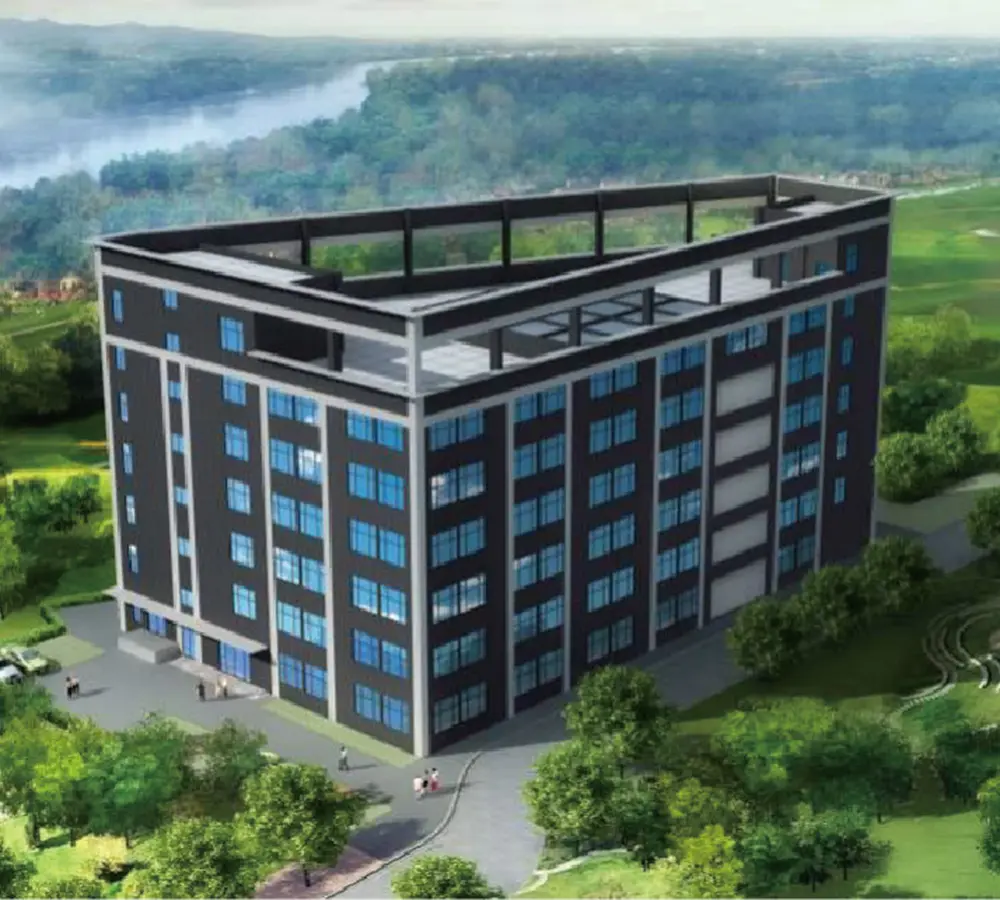
Operating a specialized manufacturing facility in Zhuhai, China gives us unique supply chain advantages that directly benefit our international client base:
Food containment requires strict protection against grease, moisture, and temperature fluctuations. Standard paper boards are porous and quickly weaken when in contact with oil or water. To solve this, Doton utilizes advanced barrier technologies:
PLA & Water-Based Dispersion Coatings: To replace legacy PE (Polyethylene) plastics, we offer bio-based and recyclable coatings that prevent grease absorption while maintaining complete repulpability during recycling.
FSC-Certified Cellulose: Utilizing wood pulp derived only from responsibly managed forests ensures that your packaging matches regulatory requirements like the EU Timber Regulation (EUTR) and domestic green policies.
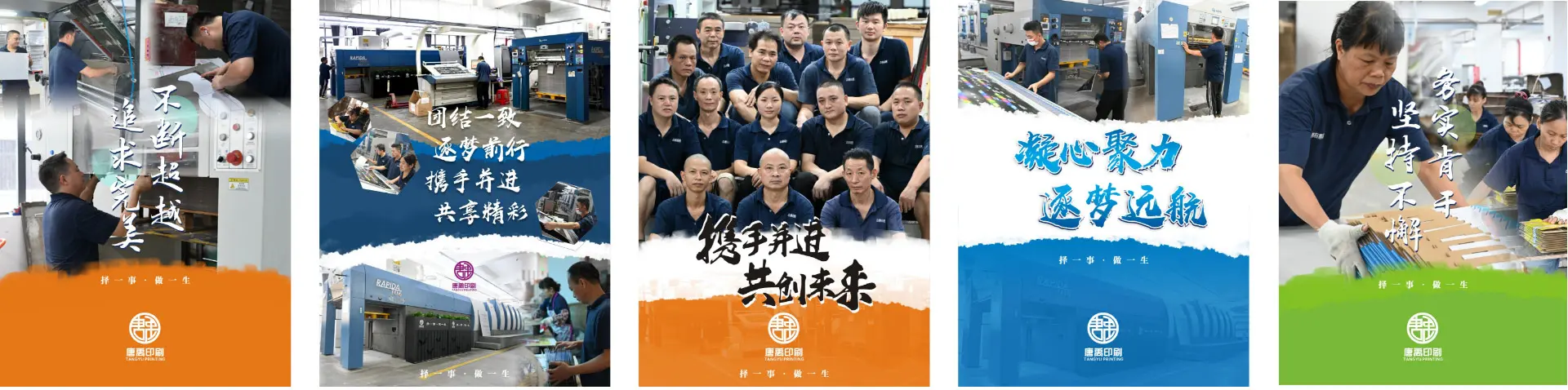
Brand fidelity across markets requires precise color matching. Doton uses direct Computer-to-Plate (CTP) workflows. This system transfers digital artwork directly to aluminum printing plates, bypassing film intermediates and reducing dot gain.
By pairing CTP systems with spectrophotometer-equipped KBA offset presses, we keep delta-E values below 2.0. This ensures that brand colors look identical across bento boxes, dessert cartons, and carrier bags.
Packaging Expertise
Monthly Capacity
Food-Grade Materials
Certified Standards
Anti-fog windows, oil-resistant cardboards, and secure locking designs maintain presentation and temperature for premium Japanese dining experiences during transport.
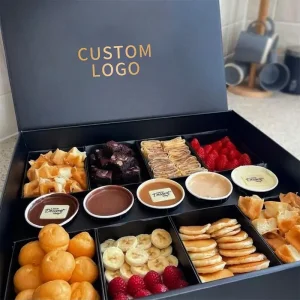
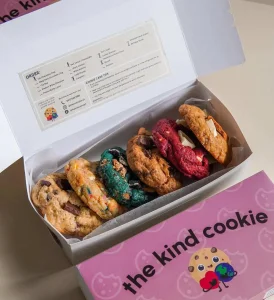
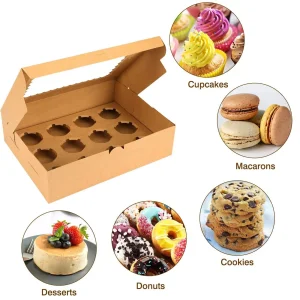
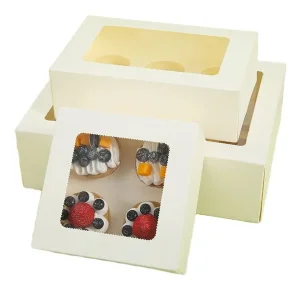
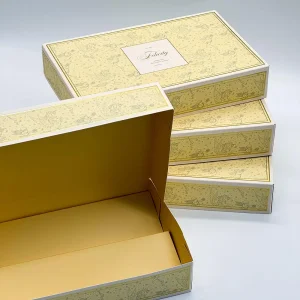
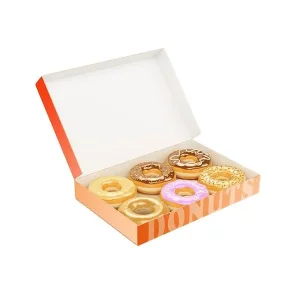
Structural cookie, biscuit, and macaron boxes feature food-grade inserts. These protect delicate pastries and support custom gold-foiling and embossing highlights.
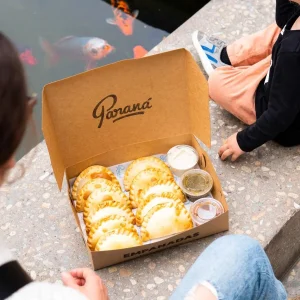
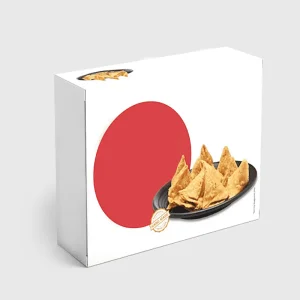
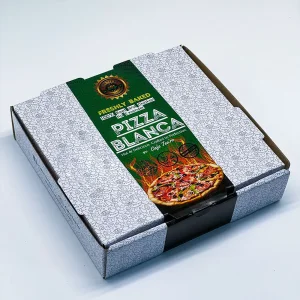
High-volume, heat-retaining clam-shells and boxes designed for fried foods, samosas, and empanadas. These focus on quick folding, space-efficient nesting, and steam venting.
The global packaging sector is undergoing major transformations driven by shifting consumer preferences and stricter environmental laws. Understanding these macro trends helps our partners prepare their product packaging for future changes:
Governments in Europe, North America, and parts of Asia are enacting strict bans on single-use plastics and expanded polystyrene (EPS). Consequently, brands are shifting to structural fiber alternatives. Our CE-certified biodegradable paper containers offer similar physical durability to plastics while breaking down naturally under municipal composting conditions.
Modern commercial operations demand full visibility. QR codes, NFC tags, and temperature-sensitive inks are increasingly integrated directly into food packaging. These tools allow consumers to verify brand origin and supply chain history, while helping distributors monitor shipping conditions.
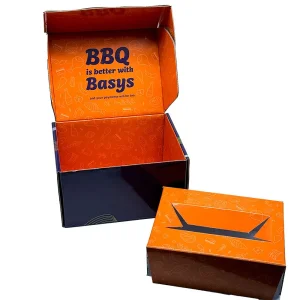
Advanced structural engineering reduces excess materials without compromising box strength. Using strategic fold layouts and fluting profiles (such as micro-flute corrugated structures), we cut raw material weight by up to 20% compared to traditional designs. This helps lower both unit production costs and shipping weights.
All our food-contact packaging holds CE certification and can be sourced using FSC-certified raw materials. We construct our boxes using food-grade soy inks and aqueous coatings that meet FDA and European food-safety standards.
Our standard MOQ for custom-printed and structured food boxes is typically 2,000 to 5,000 units, depending on the physical size, board weight, and complexity of the post-print finishes.
Yes. We specialize in adding protective barriers using oil-resistant coatings, bio-based PLA laminations, and premium folding designs. These prevent leaking in takeout meals, empanadas, samosas, and oily desserts.
We run digital prepress loops using automated Computer-to-Plate (CTP) systems alongside advanced Heidelberg and KBA offset presses. Our inline color scanning controls ensure excellent registration and keep print-run colors closely matched to client specifications.
Structural design prototyping and sample runs take 3-5 working days. Once digital proofs are approved, mass production is completed in 12-18 days. Ocean transit and customs clearing times depend on the destination port.
 Doton Printing