2026 Top Card Board Box Trends for Global Buyers?

Time:2026-07-24 Author:Mason
0%

The cardboard box industry is evolving rapidly. As global buyers seek sustainable and innovative packaging solutions, trends are emerging. According to Dr. Emily Chen, a leading expert in packaging design, “The future of the cardboard box is not just about containment; it's about creating an experience.”

In 2026, we anticipate new designs and eco-friendly materials. Buyers will require boxes that not only protect products but also reflect brand values. Brands are investing in biodegradable materials and unique structural designs. These changes address growing consumer demands for sustainability.

However, challenges remain. The industry must balance cost with quality and sustainability. Moreover, adapting to technological advancements can be daunting. The landscape for cardboard boxes is shifting, and the next few years could redefine what a cardboard box means to consumers and brands alike. Experts encourage companies to reflect on these trends for better strategic planning.
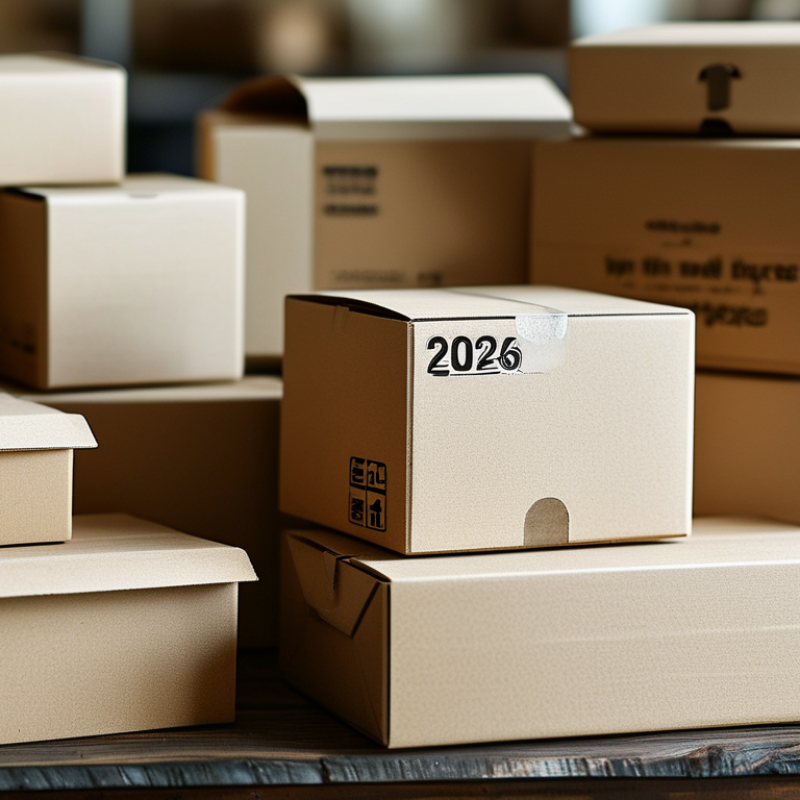
2026 Top Card Board Box Trends for Global Buyers?

Emerging Sustainable Materials in Cardboard Box Manufacturing

As we approach 2026, sustainable materials in cardboard box manufacturing are gaining traction. Many companies are looking to reduce their environmental footprint. Innovative materials are being developed to replace traditional cardboard. These include agricultural waste, recycled fibers, and biodegradable plastics.

Agricultural waste, such as straw and rice husks, presents a promising alternative. These materials are abundant and often underutilized. They provide a sustainable source, reducing reliance on trees. Another interesting trend is the use of mycelium. This mushroom-based material is fully compostable and can grow into specific shapes for packaging.

However, challenges remain. Not all sustainable materials perform equally in packaging solutions. Durability and moisture resistance are key factors to consider. Some innovative materials may not yet meet industry standards in these areas. This highlights the need for ongoing research and development. The journey towards truly sustainable packaging is complex but essential.

Innovative Designs: Enhancing User Experience with Cardboard Packaging

In 2026, innovative designs in cardboard packaging are taking center stage. Brands recognize the vital role of user experience. Through creative structures and visuals, packaging becomes more than just a container. It’s a story that resonates with consumers, enhancing their connection to the product. For instance, interactive elements, such as pop-ups or textured surfaces, invite users to engage with the box. This tactile experience can make unboxing memorable.

Sustainability remains a critical factor for global buyers. As eco-consciousness rises, brands are opting for recyclable materials, leading to environmentally friendly designs. However, not all innovations succeed. Sometimes, the balance between aesthetics and functionality is difficult to achieve. Excessively intricate designs may pose assembly challenges. Brands must ensure that beauty does not compromise usability. It’s essential to test these designs extensively before launch to gather user feedback.

Minimalist designs are trending too. Clean lines and simple graphics can convey messages effectively. Yet, some consumers might find them too plain. Effective packaging design should push boundaries yet remain accessible. As the cardboard box evolves, the key is to find harmony between creativity and practicality. This complex dance will ultimately define the future of user experience in packaging.

2026 Top Card Board Box Trends for Global Buyers

This chart illustrates the top trends in cardboard box designs for 2026, showcasing their popularity percentages among global buyers. The focus is on innovative designs that enhance user experience, promoting eco-friendly materials and custom features.

Impact of E-commerce Growth on Cardboard Box Trends

As e-commerce continues to grow, the demand for cardboard boxes has surged. In 2023, the global cardboard box market was valued at approximately $70 billion. This figure is expected to reach nearly $90 billion by 2026. Such growth illustrates the essential role packaging plays in online retail.

The surge in e-commerce has driven innovation in cardboard box design and functionality. Companies are prioritizing sustainable materials. Research shows that 75% of consumers prefer eco-friendly packaging. Moreover, the trend toward smaller shipping boxes is gaining popularity. Smaller boxes reduce waste and cut shipping costs.

Yet, challenges remain. Not all manufacturers can easily switch to sustainable options. Many still rely on traditional materials. Additionally, fluctuating raw material prices pose risks. These factors require careful consideration in future planning. Finding the balance between cost, sustainability, and design remains a crucial issue for industry players.

Technological Advancements in Cardboard Box Production

Technological advancements in cardboard box production are reshaping the packaging industry. Automation has sped up manufacturing processes. Robotics and AI streamline assembly lines, enhancing efficiency. This trend reduces errors and waste, leading to more sustainable production. The result is a stronger focus on eco-friendly materials.

Digital printing technology allows for vibrant customization. Brands can now produce smaller runs with unique designs. This personalization appeals to consumers, improving brand engagement. However, the initial costs can be daunting for small businesses. They may struggle to balance quality and expenses.

Data analytics provides insights into consumer preferences. Manufacturers can adjust designs based on real-time feedback. Yet, over-reliance on data can stifle creativity. Finding the right balance between innovation and artistic freedom is crucial. The cardboard box industry stands at a crossroads, ripe for exploration and refinement.

Market Preferences: Regional Variations in Cardboard Box Trends

Regional variations in cardboard box trends have become more pronounced in recent years. North America shows a strong preference for sustainable materials. According to a recent market report, 75% of consumers in this region prioritize eco-friendly packaging solutions. Meanwhile, European buyers are increasingly demanding customization. The need for unique designs drives innovation in the cardboard box industry. Approximately 60% of European businesses focus on tailored packaging to enhance brand identity.

In Asia-Pacific, rapid urbanization influences packaging demands. With e-commerce booming, efficient packaging solutions are critical. Reports indicate that around 55% of e-commerce companies in this region are investing in lightweight and durable cardboard boxes. However, challenges persist. Supply chain disruptions and material costs can impact pricing. Buyers often struggle to balance quality and cost-effectiveness, highlighting the tension in market expectations.

While these trends are evident, local preferences can complicate the landscape. Emerging markets exhibit a mix of traditional and modern practices. Data suggests that in regions like Latin America, affordability often takes precedence over sustainability. This divergence underscores the importance of understanding regional consumer behavior. Recognizing these nuances is vital for suppliers targeting diverse markets.

2026 Top Card Board Box Trends for Global Buyers

Region Sustainability Preference (%) E-commerce Demand (%) Customization Trend (%) Average Price Range ($)
North America 75 80 60 1.50 - 3.00
Europe 82 78 65 1.20 - 2.80
Asia Pacific 70 85 58 1.00 - 2.50
Latin America 60 70 50 0.80 - 2.00
Middle East & Africa 65 72 55 1.00 - 2.20

FAQS

: What are the new materials being used in cardboard box manufacturing?

: Companies are exploring agricultural waste, recycled fibers, and biodegradable plastics as alternatives.

Why is agricultural waste a promising option?

Agricultural waste is abundant and underutilized. It provides a sustainable source, reducing tree dependency.

What is mycelium, and how is it used?

Mycelium is a mushroom-based, compostable material. It can grow into specific shapes for packaging needs.

What challenges do sustainable materials face in packaging?

Not all materials offer durability and moisture resistance. Some fail to meet industry standards, needing improvement.

How is e-commerce affecting cardboard box demand?

The e-commerce boom has increased demand significantly. The cardboard box market is projected to reach $90 billion by 2026.

Are consumers interested in eco-friendly packaging?

Yes, research indicates that 75% of consumers prefer sustainable packaging options over traditional ones.

What trend is emerging in shipping box sizes?

The trend is moving towards smaller shipping boxes, which helps reduce waste and shipping costs.

Why is the transition to sustainable materials difficult for some manufacturers?

Many manufacturers still depend on traditional materials. Economic factors and raw material prices complicate the switch.

What must industry players consider for future planning?

Balancing cost, sustainability, and design is crucial. Challenges in switching materials must be carefully assessed.

Is the journey to sustainable packaging straightforward?

No, it is complex and requires ongoing research and development to achieve effective solutions.

Conclusion

The article "2026 Top Card Board Box Trends for Global Buyers" highlights significant shifts in the cardboard box industry, focusing on sustainability, design innovation, and the impact of e-commerce. Emerging sustainable materials are becoming crucial in cardboard box manufacturing, ensuring environmental responsibility while maintaining functionality. Additionally, innovative designs are enhancing user experiences, making packaging more appealing and accessible.

The growth of e-commerce is significantly influencing trends, driving demand for versatile and durable cardboard boxes tailored to meet online retail needs. Technological advancements are streamlining production processes, increasing efficiency and customization options. Lastly, regional market preferences reveal varied trends, showcasing how cultural factors influence the design and usage of cardboard boxes. This comprehensive perspective allows global buyers to stay ahead in the evolving cardboard box market.

Mason

Mason

Mason is a seasoned marketing professional with a deep expertise in the company's offerings and a passion for driving brand awareness. With a strong background in digital marketing strategies, he has an innate ability to connect with diverse audiences and effectively communicate product benefits.......