In today's fast-paced economy, finding the right packaging materials is crucial. The "Box of Cardboard" is a staple for businesses ranging from small startups to large corporations. According to a recent report by Smithers Pira, the global demand for cardboard packaging is expected to reach $280 billion by 2024. This trend highlights the importance of selecting high-quality cardboard for efficient shipping and product preservation.
Choosing the best box of cardboard involves considering various factors, including durability, weight, and cost. Many businesses underestimate the impact of well-structured packaging on customer satisfaction. Poor-quality boxes can compromise product safety and lead to increased return rates. A study from the Packaging Association shows that 75% of consumers report that packaging quality affects their buying decisions.
The search for reliable suppliers can be daunting. There are many options available, but not all offer quality products. It's essential to evaluate potential suppliers based on their reputation and product reviews. Reflecting on these aspects can lead businesses to make informed decisions that save time and reduce losses over time. Consider the long-term implications of your choice before settling on a supplier for your box of cardboard.
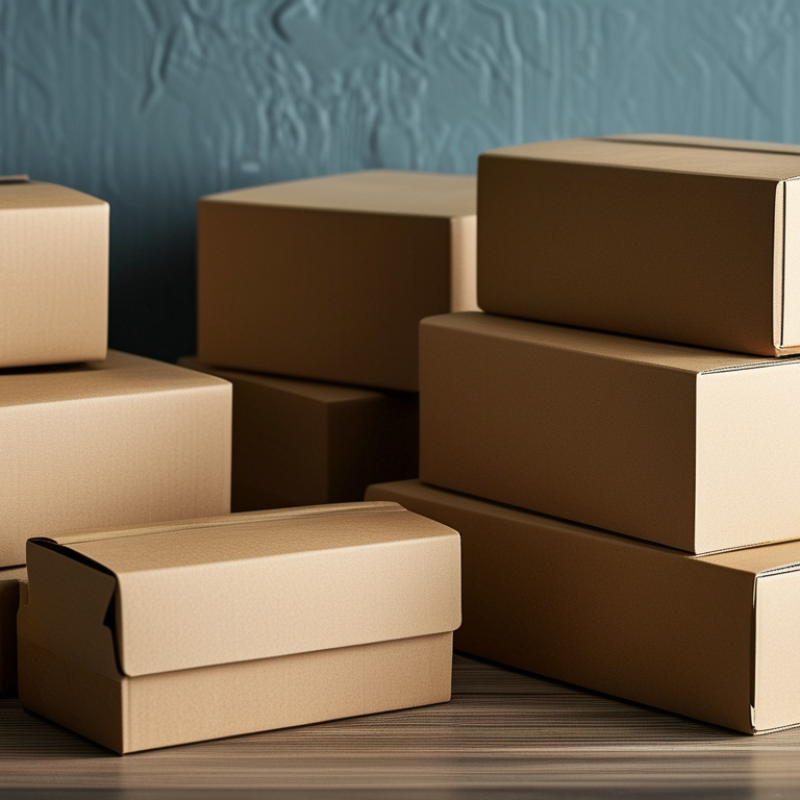
Cardboard boxes are essential for preserving the integrity of products during storage and shipping. Various types of cardboard boxes cater to differing packaging needs. Each design serves a unique purpose, addressing the complexity of modern logistics.
Regular slotted containers (RSC) are widely used due to their versatility. They simplify the packing process and are efficient for shipping. According to industry data, RSCs account for about 70% of the total cardboard box usage in the U.S. This statistic underscores their importance in packaging operations. Yet, challenges arise with their strength; they might not always meet the demands of heavier items.
Another option is the full overlap (FOL) box, which offers enhanced durability. It features flaps that completely overlap at the bottom and top. This design ensures better stacking strength. Reports indicate these boxes can hold up to 30% more weight than standard designs. However, the cost can be a concern for low-budget operations. The choice between RSC and FOL ultimately depends on the specific shipping requirements and product protection needs. Understanding these differences is vital for making informed purchasing decisions in packaging solutions.
| Type of Cardboard Box | Best Use Cases | Size Options (inches) | Price Range (USD) |
|---|---|---|---|
| Single Wall Box | General shipping and storage. | 12x12x12, 18x18x18 | $1 - $3 |
| Double Wall Box | Heavy items, fragile products. | 12x12x12, 24x24x24 | $3 - $6 |
| Corrugated Box | E-commerce packaging, shipping. | 10x10x10, 16x16x16 | $2 - $5 |
| Flat Box | Artwork, documents. | 9x12, 12x15 | $1.50 - $3.50 |
| Pizza Box | Food packaging, take-out. | 12", 16" | $0.50 - $1.50 |
: High-quality corrugated cardboard is vital for durability and strength, protecting contents during transit.
Properly sized boxes reduce movement and damage. Incorrect sizes can increase the risk of product harm.
Approximately 30% of products are damaged due to inadequate packaging. This highlights the need for careful selection.
Consumers prefer eco-friendly options, and using recycled materials can enhance brand perception and appeal.
Prices range from $0.50 to $3.00 each, based on size and thickness, affecting overall costs significantly.
Single-wall boxes are cheaper but less protective. Double-wall boxes may save costs by reducing damage and returns.
Shipping fees can add up. Bulk purchasing may save money, sometimes up to 20% on costs.
Sourcing from local suppliers can reduce shipping expenses, providing additional savings on packaging costs.
Investing in quality materials can reduce returns and enhance brand reputation, even if initial costs are higher.
Yes, finding eco-friendly materials requires careful consideration but can positively impact brand image over time.
When searching for the best Box of Cardboard for packaging, it's crucial to understand the different types available to meet various packaging needs, including corrugated boxes, folding cartons, and rigid boxes. Each type serves specific purposes, making it essential to choose the right one for your product. Additionally, several key factors should be considered when purchasing cardboard boxes, such as size, durability, and weight capacity, to ensure optimal protection and presentation.
Exploring options from top retailers can lead to high-quality cardboard packaging solutions. A cost comparison of various cardboard box options is necessary to find the best deal while maintaining quality. Furthermore, with a growing emphasis on environmental sustainability, many consumers are now looking for eco-friendly choices in cardboard packaging that minimize ecological impact. Ultimately, selecting the right Box of Cardboard involves balancing quality, cost, and sustainability.

 Doton Printing