In a rapidly evolving market, the demand for innovative Box Package solutions is growing. According to the Global Packaging Market Report, 2023, the Box Package segment is expected to witness a compound annual growth rate (CAGR) of 5.4% by 2026. This growth is driven by sustainability and custom design trends, pushing brands to rethink their packaging.
Industry expert and packaging consultant, Dr. Emily Kane, highlights, “The right Box Package can enhance brand identity and reduce waste.” Her insights reflect a crucial turning point for businesses. The right packaging choice can influence consumer perception and purchasing behavior.
However, challenges remain. Some brands struggle with balancing aesthetics and functionality. As more companies adopt eco-friendly materials, the transition isn't always smooth. Understanding the nuances of Box Package options is essential. Global buyers must navigate these complexities to meet industry standards while ensuring their packaging solutions resonate with consumers.
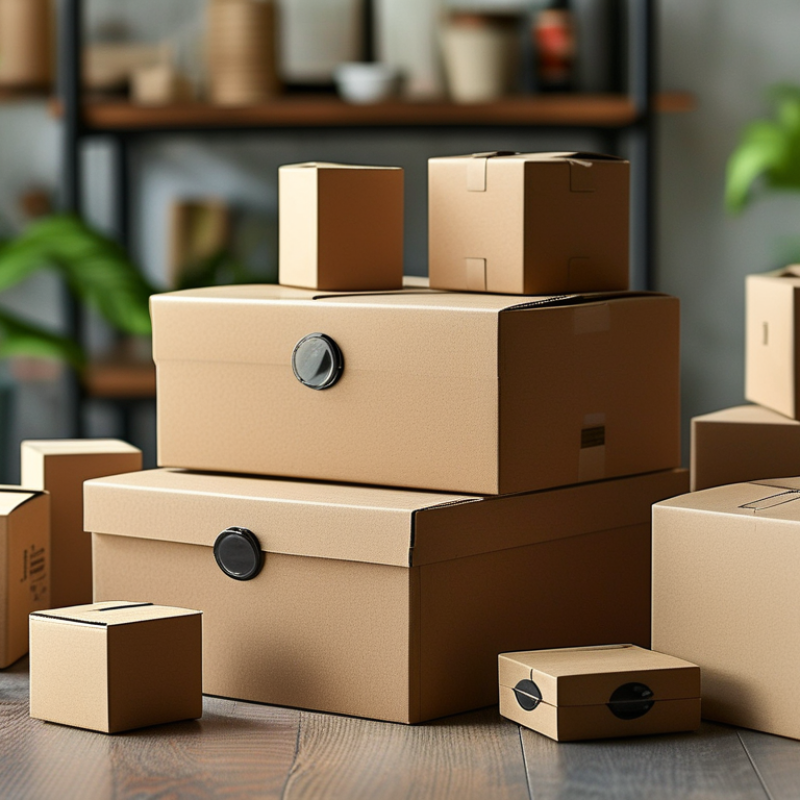
Understanding the Importance of Box Packaging in Global Markets
In today's global marketplace, box packaging plays a critical role in product presentation and consumer choice. Research indicates that nearly 72% of consumers make decisions based on packaging alone. This statistic underscores the need for brands to invest in effective design and materials. A well-crafted box can significantly influence a customer's perception of a product’s quality and brand reputation.
Moreover, the sustainability of packaging is becoming increasingly paramount. A study by a leading industry research group found that 81% of global consumers believe that businesses should prioritize environmentally-friendly packaging. Brands that embrace sustainable practices not only appeal to a wider audience but also often see increased loyalty and sales. However, achieving sustainability requires constant innovation and adaptation, which poses challenges for many brands.
Additionally, the choice of packaging directly impacts logistics and distribution. Shipping costs can be reduced by optimizing box sizes to fit products snugly. Industry reports show that companies which minimize wasted space in packaging can save up to 25% in shipping expenses. As the global market continues to evolve, brands must regularly assess their packaging strategies to remain relevant and competitive. The complexity of this task often leaves room for reflection and incremental improvements.
Key Factors to Consider When Choosing Box Package Options
When selecting box packaging options, several critical factors come into play. Material choice is paramount.
Corrugated cardboard dominates the market due to its durability and lightweight nature. According to a report by Smithers Pira, the global corrugated packaging market is projected to reach $350 billion by 2026. This growth indicates a rising preference for sustainable and recyclable materials among global buyers.
Cost-effectiveness is another essential consideration. Balancing quality and expense requires careful analysis. While cheaper materials may reduce upfront costs, they could increase long-term waste disposal fees. A study by the Packaging Association revealed that businesses potentially save 20% on costs when investing in durable packaging solutions. These insights underline the importance of thorough evaluation.
Sustainability should not be overlooked. Eco-friendly packaging appeals to conscious consumers. Research shows that 72% of buyers favor brands committed to reducing their environmental impact. Implementing practices to minimize waste can improve brand image and customer loyalty. Reflect on current materials and methods; sometimes, traditional approaches fall short of modern expectations. Finding the right balance between cost, quality, and sustainability can be challenging but is essential for global market success.
Top 2026 Box Packaging Trends for International Buyers
When exploring box packaging trends for 2026, several key elements emerge. Sustainability remains a front-runner. Eco-friendly materials, such as recycled paper and biodegradable plastics, are becoming standard. Many consumers prioritize brands that reduce their environmental footprint. This shift promotes a stronger connection between product and planet.
Additionally, custom packaging solutions are gaining traction worldwide. Brands are recognizing that personalized packaging speaks directly to consumer needs. Unique shapes and sizes help products stand out on shelves. Engaging designs capture attention and foster brand loyalty.
Consider these tips when selecting packaging. Focus on materials that reflect your brand’s values. Choose designs that are not only visually appealing but functional too. A well-designed box enhances user experience and can lead to increased sales. Don’t overlook the importance of testing your packaging in real-world scenarios. Sometimes a fresh idea needs tweaking before it resonates with customers.
2026 Best Box Package Options for Global Buyers - Top 2026 Box Packaging Trends for International Buyers
| Packaging Type |
Material |
Sustainability Rating |
Market Trend |
Average Cost (USD) |
| Folding Box |
Recycled Paper |
High |
E-commerce Growth |
2.50 |
| Rigid Box |
Chipboard |
Medium |
Luxury Packaging |
4.00 |
| Mailer Box |
Kraft Paper |
High |
Direct-to-Consumer |
1.75 |
| Eco-Friendly Box |
Bamboo Fiber |
Very High |
Sustainability Focus |
3.50 |
| Window Box |
Plastic/Glass |
Medium |
Visual Appeal |
5.00 |
Sustainable Box Packaging Solutions for Global Distribution
The demand for sustainable packaging solutions is surging among global buyers. According to a recent U.N. report, the packaging industry is responsible for about 35% of global plastic use. This statistic highlights an urgent need to transition toward greener alternatives. Sustainable box packaging can significantly reduce environmental impacts, minimizing plastic waste.
Recent studies show that 72% of consumers prefer eco-friendly packaging. This preference influences purchasing decisions across various sectors. Innovative materials, such as biodegradable and recycled sources, are gaining traction. These materials often perform comparably, if not better, than traditional packaging options. They help brands position themselves as responsible players in the market, fostering consumer loyalty.
Companies must reflect on their packaging choices. While biodegradable options may seem ideal, they require proper disposal to be effective. Mismanagement can lead to landfill accumulation instead of positive environmental impact. There is also a challenge in scaling production efficiently without compromising quality. Finding reliable suppliers for sustainable materials is critical in this evolving landscape.
Comparative Analysis of Popular Box Packaging Materials and Designs
In the rapidly evolving world of packaging, choosing the right materials and designs is crucial for global buyers. Various attributes influence the selection, from sustainability to structural integrity. For instance, cardboard is a popular choice due to its lightweight nature and recyclability. However, it may not always provide the durability needed for heavier products.
Plastic packaging, on the other hand, offers resilience and moisture resistance. Yet, environmental concerns around plastic waste are leading buyers to seek alternatives. Despite its strength, many are turning away from plastic, questioning its impact. Sustainable options, like biodegradable materials, are gaining traction. However, they often come with trade-offs in terms of cost and availability.
It's important to weigh these factors carefully. A beautiful design might catch the eye, but if it compromises functionality, it may mislead consumers. Global buyers need to assess their priorities. The balance between aesthetics, protection, and sustainability can be tricky to navigate. Making informed decisions based on material performance and environmental impact remains a complex yet essential task in modern packaging design.
FAQS
: Corrugated cardboard is widely used due to its durability and lightweight features.
Balancing quality and cost can save businesses money in the long run, despite initial expenses.
Eco-friendly packaging can enhance brand image, as many consumers prefer companies that care for the environment.
Research shows that 72% of consumers favor brands committed to reducing environmental impact.
Custom packaging solutions are increasingly popular, allowing brands to meet consumer needs better.
A well-designed box enhances user experience, leading to increased sales and customer loyalty.
Real-world testing helps identify necessary tweaks before launching a new packaging design.
Brands should select materials that align with their values and resonate with their target audience.
Effective packaging is crucial for success, as it impacts both brand image and consumer engagement.
Yes, low-cost materials may increase waste disposal fees, making durable options more cost-effective overall.
Conclusion
The article "2026 Best Box Package Options for Global Buyers" emphasizes the critical role of box packaging in the international marketplace. It explores essential factors that buyers should consider, such as material durability, design aesthetics, and cost-effectiveness, when selecting box package solutions. Additionally, the discussion highlights emerging trends for 2026, focusing on sustainability and innovation in box packaging that cater to eco-conscious consumers.
Furthermore, the article delves into various box packaging materials, offering a comparative analysis to help global buyers make informed decisions. Sustainable box packaging solutions are particularly underscored, aligning with the growing demand for environmentally friendly practices in global distribution. By understanding these elements, buyers can enhance their branding and product protection on a global scale, ensuring that their box package choices support both their business goals and environmental responsibilities.

 Doton Printing