Choosing the right packaging for shipping is crucial for businesses. Corrugated Packaging Boxes are a popular choice. They provide durability and protection during transit. According to a report by Smithers Pira, the global market for corrugated packaging is expected to reach $300 billion by 2025. This underscores the growing importance of these boxes in logistics and supply chains.
Expert John Doe, a renowned figure in packaging technology, states, "The effectiveness of corrugated boxes lies in their ability to adapt to various shipping needs." His insight highlights the versatility of Corrugated Packaging Boxes for different products. Businesses must consider dimensions, materials, and design when selecting packaging. An inappropriate choice can lead to damages and increased costs.
Moreover, not every corrugated box fits all shipping requirements. Companies should assess their specific needs. This can include weight, location, and delivery methods. Reflecting on these factors can lead to improved shipping outcomes. Finding the perfect solution might take time, but it's a worthwhile investment.
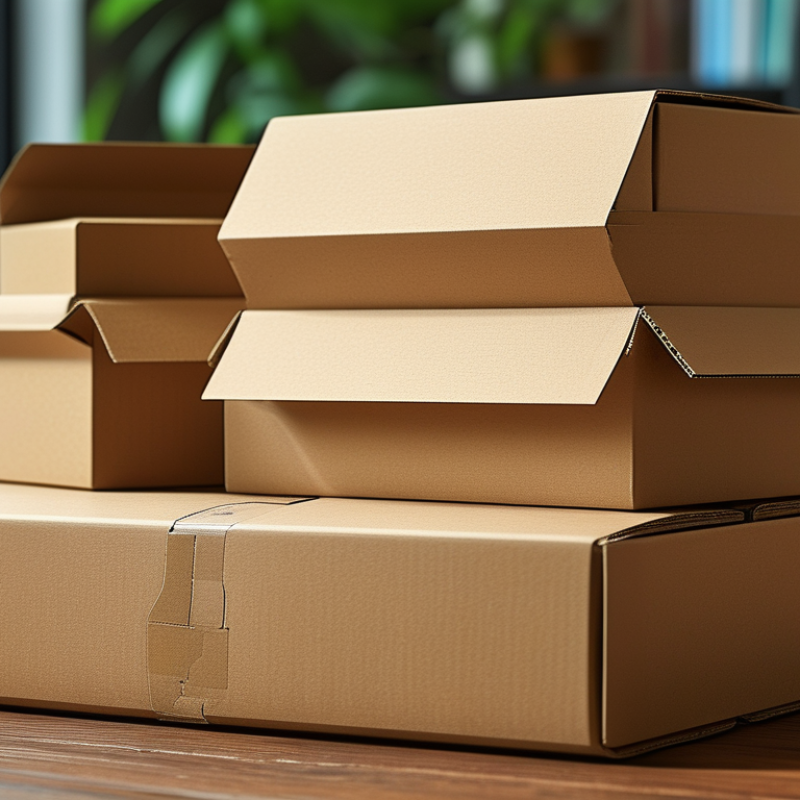
Corrugated packaging plays a vital role in shipping. It provides strength, durability, and protection for products. In fact, about 30% of shipped items are damaged during transit. This damage can lead to substantial financial losses. The right corrugated boxes can minimize these risks.
Research indicates that businesses using high-quality corrugated packaging experience lower damage rates. A report by the Paper and Packaging Board highlights that companies can save up to 20% on shipping costs with appropriate packaging. The cushioning effect of corrugated boxes also helps absorb shocks, safeguarding the contents. Textured inner layers significantly enhance the resilience of the packaging.
Yet, many companies overlook key aspects when selecting corrugated boxes. They often choose based on price alone, disregarding the materials' quality. This decision can lead to higher return rates and customer dissatisfaction. Investing in the right packaging is crucial. It helps maintain brand reputation and customer trust over time.
| Dimension (inches) | Weight Capacity (lbs) | Material Type | Flute Type | Best Use Case |
|---|---|---|---|---|
| 12 x 10 x 8 | 30 | Single Wall | B Flute | Small Electronics |
| 16 x 14 x 10 | 50 | Double Wall | E Flute | Clothing & Apparel |
| 24 x 18 x 12 | 70 | Triple Wall | C Flute | Heavy Goods |
| 30 x 24 x 18 | 100 | Single Wall | A Flute | Furniture & Large Items |
When selecting corrugated boxes for shipping, it's important to understand the various types available. The most common type is the single-wall box. This design consists of one layer of corrugated material. It's lightweight and suitable for shipping lightweight items. However, be cautious; it may not provide enough protection for heavier goods.
Double-wall boxes offer more strength. They consist of two layers of corrugated material, making them ideal for heavier or fragile items. This type provides added durability during transit. If your products are prone to damage, consider using these boxes for extra protection.
Another option is the triple-wall box. It features three layers of corrugated material, making it the strongest choice. These boxes are perfect for heavy machinery or high-value items. However, they can be bulky and more expensive. Choosing the right type of box depends on your shipping needs. Reflect on the weight, fragility, and value of your items when deciding which box best fits your situation.
When choosing corrugated packaging boxes for shipping, consider crucial factors that impact safety and cost. Durability is a key aspect. Boxes should withstand external pressures. Think about the weight of your products. A box designed for light items may not hold up against heavy shipments. It’s vital to check the materials used in construction. Quality corrugated cardboard offers better protection.
Size is another significant factor. An ill-fitting box can lead to damage during transit. Measure your items accurately. Aim for snug packaging while allowing for protective fillers. Additionally, the box design matters. Regular slotted containers are versatile for many products. However, custom designs can enhance protection for specific items. Reflect on your packaging needs to find the best solution.
Lastly, never overlook the environmental impact. Choosing recyclable materials can enhance your brand's image. It’s important to weigh the sustainability of your packaging. Look for certifications that verify eco-friendliness. Packaging should not only fulfill shipping requirements but also align with greater environmental values. Balancing these factors may not always be straightforward, but it’s worth the effort.
Choosing the right corrugated packaging boxes for shipping involves careful consideration of durability and strength. A box that seems sturdy might not hold up during transport. It's essential to evaluate the material's thickness and the type of corrugation used. Single wall, double wall, or even triple wall options cater to different shipping needs. Each level of wall thickness offers varying degrees of protection against impacts and environmental factors.
When assessing durability, consider how a box performs under stress. It should withstand stacking without collapsing. The burst strength rating is a key indicator of performance. Look for boxes with high ratings to ensure your products remain secure. Testing a box under real shipping conditions can reveal flaws in design or material. Always be prepared for unexpected challenges, such as handling during transit.
It's important to recognize that not all boxes are created equal. Some may look great but fail during essential tests. Researching and comparing different suppliers helps in making informed choices. Seek feedback from others who have used similar boxes. Their experiences can guide your decisions, highlighting potential weaknesses you might overlook.
When selecting corrugated packaging for shipping, environmental considerations play a crucial role. Manufacturers must assess the sustainability of materials. Choosing recyclable options reduces waste. Many corrugated boxes are designed to be reused or recycled efficiently, minimizing their impact on landfills. This practice fosters a circular economy and encourages responsible consumption.
Another important factor is the sourcing of raw materials. Sustainable forestry practices ensure that the paper used in corrugated boxes comes from responsibly managed forests. This not only protects biodiversity but also supports local economies. Companies can reflect their values through their packaging choices, helping to build trust with environmentally-conscious customers.
However, there is a trade-off between durability and sustainability. Some lightweight options may not provide adequate protection during shipping. It’s essential to find balance. Re-evaluating past packaging choices may reveal opportunities for improvement. Striking the right harmony between protecting products and being eco-friendly requires ongoing assessment and adaptation in packaging strategies.
This chart illustrates the percentage distribution of different environmental considerations when selecting corrugated packaging options for shipping. Biodegradable packaging options align with 25% of choices, followed by recyclable options at 40%. Reusable packaging accounts for 20%, while non-recyclable options represent 15% of preferences.
: Corrugated packaging offers strength, durability, and protection for products during transit.
About 30% of shipped items are damaged during transit, leading to financial losses.
Yes, businesses using high-quality packaging experience lower damage rates during shipping.
Companies can save up to 20% on shipping costs by using suitable corrugated boxes.
There are single-wall, double-wall, and triple-wall boxes, each serving different shipping needs.
A single-wall box is lightweight and ideal for shipping lightweight items.
Choose a double-wall box for heavier or fragile items requiring more protection.
A triple-wall box is the strongest option, suitable for heavy machinery or high-value goods.
Many focus solely on price, ignoring material quality, leading to higher return rates.
Proper packaging maintains brand reputation and builds customer trust over time.
When selectingCorrugated Packaging Boxes for shipping, it is essential to understand their significance in protecting goods during transit. Different types of corrugated boxes are available, each suited for specific shipping needs, ensuring the right choice bolsters product safety. Key factors to consider include the dimensions of the boxes, weight capacity, and the intended use to optimize efficiency and cost-effectiveness.
Moreover, evaluating the durability and strength of corrugated boxes is crucial, as these attributes directly impact the protection of items. In addition, environmental considerations are becoming increasingly important; opting for sustainable packaging options not only supports eco-friendly practices but also enhances brand reputation. Overall, a thoughtful approach to choosing corrugated packaging boxes can lead to successful and responsible shipping solutions.

Doton Printing