In 2026, choosing the right package boxes is crucial for business success. According to packaging expert, Sarah Johnson, “The right box can transform how customers perceive your brand.” Her words highlight the importance of packaging in the competitive market.
Package boxes serve as more than just shipping containers; they are marketing tools. Your choice can impact brand identity and customer satisfaction. A well-designed box enhances the unboxing experience, creating a lasting impression. The materials, size, and design should align with your brand values and target audience.
However, many businesses overlook the details. They often choose generic packaging without considering their unique needs. A thoughtful approach to package boxes can lead to increased sales and brand loyalty. Reflect on what your boxes say about your business. Are they merely functional, or do they resonate with your customers? Making the right choice is essential for growth.
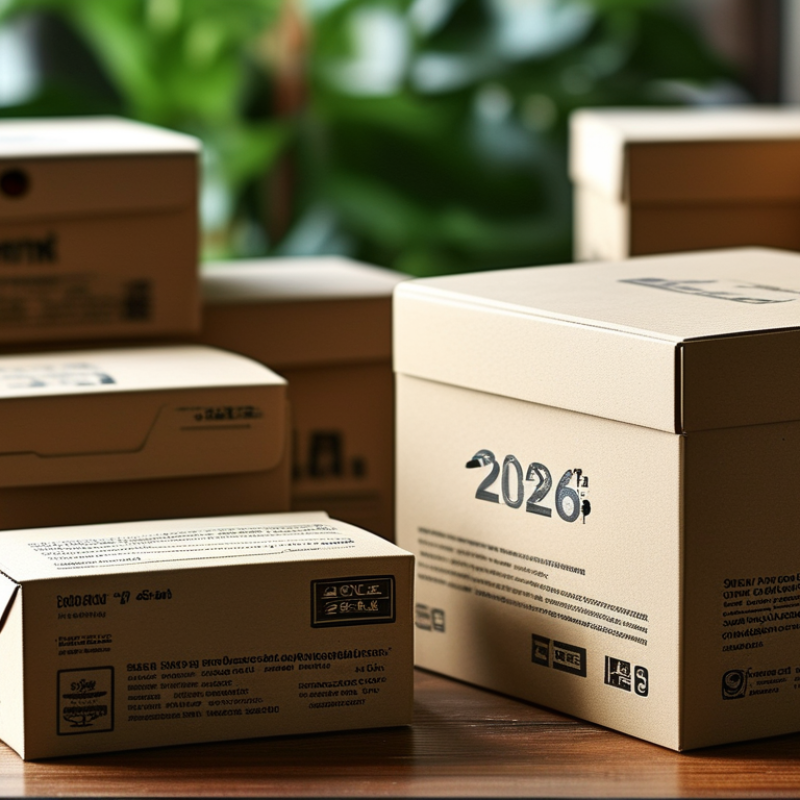
Choosing the right package boxes for your business in 2026 requires careful consideration of different options. Understanding various types is crucial. For instance, corrugated boxes remain popular for shipping due to their lightweight and durable nature. According to a recent Smithers report, the global corrugated packaging market is projected to grow to $400 billion by 2026. This trend indicates a strong demand for reliable packaging solutions.
In addition, eco-friendly packaging is on the rise. Many businesses are shifting to biodegradable materials. The Green Packaging Market was valued at approximately $300 billion in 2022 and is expected to grow considerably. Sustainability is not just a trend; it's a requirement. Consumers increasingly prefer brands that demonstrate environmental responsibility.
Though choosing packaging may seem straightforward, several factors complicate the process. The specific needs of your products must be carefully assessed. For example, fragile items require sturdier materials. While it can be tempting to opt for cheaper options, these may not offer necessary protection. Failing to prioritize quality can lead to damaged goods and ultimately dissatisfied customers. Reflecting on these details is essential for making informed decisions.
Choosing the right material for package boxes is crucial for any business. Common options include cardboard, plastic, and eco-friendly materials. Each has unique benefits and drawbacks. Cardboard is lightweight and recyclable, making it a favorite. However, it can be less sturdy compared to plastic.
Plastic boxes can provide better protection but may not appeal to environmentally conscious consumers. Eco-friendly materials are gaining traction but often come with higher costs. Businesses must weigh the benefits of sustainability against their budget constraints. This choice isn't easy, as quality and cost are often at odds.
Packaging must keep products safe during transit. A balance between aesthetics and functionality is key. Packaging decisions should reflect the brand's values. Assessing the target market's preferences can guide effective choices.
Sometimes, businesses may feel pressure to follow trends rather than assess their real needs. This reflection is essential for long-term success. Ultimately, the right material nurtures the product's identity while aligning with customer expectations.
Choosing the right package boxes for your products hinges heavily on size and dimensions. The ideal box should fit snugly around your items. A box that's too large can lead to damage during transit. A study by the Packaging Federation found that 30% of products are returned due to poor packaging choices. These returns can be costly for businesses.
Consider the dimensions of your product carefully. For instance, if you're shipping fragile items, using a box with appropriate cushioning is essential. Reports indicate that 50% of packaging failures are due to incorrect sizing. Using technology like 3D packaging design tools can help visualize the perfect fit. It can reduce waste and improve shipping efficiency.
Many companies overlook the weight of their packaging. An improperly sized box can add extra weight, increasing shipping costs. According to the Sustainable Packaging Coalition, optimizing box size can cut shipping expenses by up to 20%. Companies must continuously reassess their packaging choices for cost-effectiveness and environmental sustainability. Reflecting on these factors regularly helps businesses adapt and thrive in a competitive marketplace.
Sustainability is becoming a priority for many businesses. In 2026, choosing eco-friendly packaging is crucial. Simple materials, like recycled cardboard or biodegradable plastics, can significantly reduce your carbon footprint. These options not only benefit the environment but also appeal to a growing customer base that values sustainability.
When selecting packaging, consider the entire lifecycle of the materials. Ask yourself: How is it produced? What happens after use? Often, companies overlook disposal methods. Packaging that isn't easily recyclable can become a burden on the planet. Investigating sustainable sources can lead to innovative solutions. Local suppliers, for example, may offer better options and lower transportation emissions.
It is essential to balance function with eco-consciousness. Some sustainable materials may not hold up as well under certain conditions. Therefore, thorough testing is necessary. Ensure that your packaging protects the product while minimizing harm to the environment. Remember, sustainability should not compromise quality or consumer satisfaction.
In 2026, choosing the right package boxes for your business involves thorough cost analysis. It's critical to balance quality with price, as this decision can impact your budget and customer satisfaction. According to industry reports, packaging costs can account for 5-10% of total product costs. While a lower price might seem appealing, it can lead to compromises in durability and presentation.
Investing in quality packaging enhances customer experience. A recent study found that 70% of consumers said packaging influences their purchasing decisions. High-quality boxes protect products better and reduce returns, ultimately saving money in the long run. However, over-spending on premium materials also requires careful consideration of your budget. Track packaging expenditure closely to avoid needless financial strain.
Evaluate your choices by considering material options and potential suppliers. Research suggests using eco-friendly materials can reduce long-term costs. Additionally, work with suppliers who understand your needs. Seek feedback regularly and reflect on how box performance aligns with customer expectations. This constant reassessment allows you to adapt and refine your packaging strategies to meet future demands.
: Corrugated boxes are popular due to their lightweight and durable nature. They are ideal for many shipping needs.
Eco-friendly packaging is increasingly preferred by consumers. Using biodegradable materials shows environmental responsibility and enhances brand image.
A correctly sized box protects items better. A large box can lead to damage during transit, creating potential losses.
Approximately 50% of packaging failures stem from incorrect sizing. This mistake can lead to costly returns for businesses.
By choosing the right box size, companies can cut shipping expenses by up to 20%. Regular reassessment is key.
Packaging costs can account for 5-10% of total product costs. Balancing quality and price impacts budgets and customer satisfaction.
Evaluate durability and presentation against budget. High-quality packaging can reduce returns and enhance customer experiences.
3D packaging design tools allow businesses to visualize the perfect fit. This helps reduce waste and improve shipping efficiency.
Regular reflection on packaging strategies allows adaptation to market changes. This continual assessment helps businesses thrive.
Approximately 70% of consumers say packaging influences their purchasing decisions. Quality packaging enhances overall customer experience.
In 2026, selecting the best Package Boxes for your business involves understanding the various types available and evaluating their materials. Each type of package box serves distinct purposes, with different materials presenting unique pros and cons. When assessing options, it’s essential to consider the size and dimensions to ensure an ideal fit for your products, promoting both protection and presentation.
Sustainability is another crucial factor; opting for eco-friendly packaging solutions can enhance your brand reputation and meet consumer demands for environmentally conscious practices. Finally, conducting a cost analysis enables businesses to balance quality with price, ensuring they choose Package Boxes that meet their operational needs without compromising on standards. Together, these considerations form a comprehensive approach to effective package box selection in today’s market.

Doton Printing