Choosing the right cardboard boxes is crucial for successful shipping. The packaging you select can protect your items and enhance customer experience. Understanding different types of cardboard boxes can help prevent damages during transit and ensure deliveries arrive intact.
Many businesses overlook the importance of box selection. It’s easy to grab whatever is available, but this can lead to serious issues. For instance, using a box that is too small or too weak may result in losses. Paying attention to box strength, size, and design is essential. Consider how your products will be stacked or stored during shipping.
Explore various options, like double-walled boxes or those with moisture resistance. These added features can provide peace of mind. When in doubt, consult with packaging experts. Their knowledge can guide you towards making informed choices. Ultimately, investing time in selecting the right cardboard boxes will pay off. Enhanced reliability in shipping fosters trust with your customers. Reflect on whether your current choices are serving you well or if improvements are necessary.
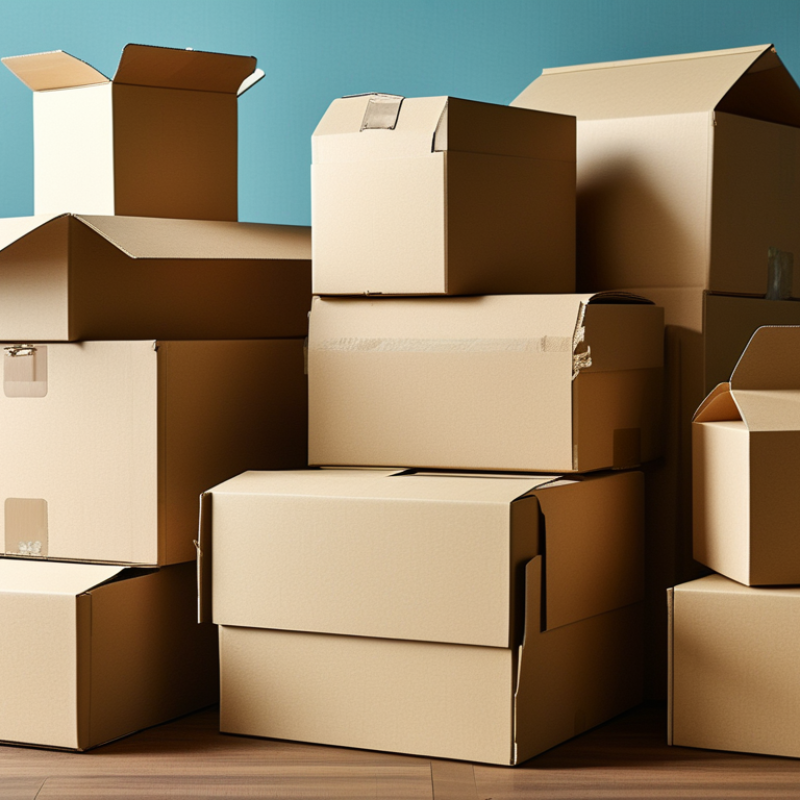
Choosing the right cardboard boxes for shipping is crucial. Research indicates that about 30% of products are damaged during transit. This emphasizes the need for suitable packaging to ensure safe delivery. Using the right box can significantly reduce damage rates and save costs for businesses.
Cardboard boxes come in various strengths and sizes. The American Packaging Association states that the strength of a box is often measured in burst strength. A box with a burst strength of 32 ECT (Edge Crush Test) is suitable for lightweight shipments. However, using inadequate boxes can lead to failures and losses, affecting customer satisfaction.
Moreover, the Environmental Protection Agency highlights that over 40 million tons of cardboard waste are generated annually. Choosing appropriate boxes reduces waste and enhances sustainability. Entrepreneurs should focus on selecting boxes that fit their products well, reduce excess material, and optimize shipping costs. This process can sometimes seem overwhelming or lead to mistakes, but research and careful consideration are key to improving shipping practices.
When selecting cardboard boxes for shipping, it’s crucial to understand the different types available. Regular slotted containers (RSC) are the most common choice. They offer strength and versatility for various items. RSC boxes can be sealed with tape, ensuring your products remain secure during transit.
For fragile items, consider double-walled cartons. These boxes provide extra protection and can handle more weight. They are ideal for shipping glass or ceramic products. You can also use padded mailers for small, lightweight shipments. They provide a layer of cushioning and are easy to seal.
Choosing the right box also depends on your items' size and weight. Oversized boxes can lead to damage if they aren't filled properly. Using packing materials inside can mitigate this risk. On the other hand, using a box that is too small can lead to breakage. Always measure your items before selecting a box. The right box can significantly impact delivery success, so reflect on your options carefully.
Choosing the right cardboard boxes for shipping is crucial. Several factors can influence your decision. Understanding these elements can save you time and money.
The size of the box is essential. A box that's too large can let items shift during transport. This increases the risk of damage. On the other hand, a box that is too small can compress the contents, causing stress. Measure your items carefully. Always opt for a snug fit that allows minimal movement.
Strength is another key factor. The right box should support the weight of its contents. Look for boxes made from double-walled cardboard for heavier items. These provide extra cushioning and durability. Thin boxes may seem tempting but can crumble easily. Don’t underestimate the impact this can have on your shipping experience. Always consider the contents' fragility too. Adding cushioning materials like bubble wrap or packing peanuts can enhance protection.
Measuring your items correctly is crucial for selecting the right cardboard boxes. Accurate dimensions prevent damage during transit. Use a tape measure for length, width, and height. Ensure you measure the largest parts of your items. Small discrepancies can lead to inadequate protection. This is especially important for fragile items.
Remember that packaging also adds bulk. Consider cushioning materials when determining box size. These materials can slightly increase the overall dimensions. Some people underestimate the space needed for padding. As a result, items become compressed, risking damage.
After measuring, think about the box's shape as well. Square boxes might not suit unconventional items. Irregular shapes may require custom solutions. Reflect on your needs. Sometimes, trial and error can help, but it’s wasted time and money. Don’t overlook the importance of precise measurements. The right box is foundational for safe shipping.
When shipping items, maintaining the integrity of cardboard boxes is crucial. A strong box protects contents during transit. According to a recent report by the International Safe Transit Association, poor packaging can lead to a 20% increase in damage claims. Therefore, ensuring boxes are adequately reinforced is essential.
One effective tip is to use double-walled cardboard. This type offers up to 60% more strength than single-walled cardboard. It helps support heavier items without compromising structure. Adding extra tape to the seams can also decrease the risk of boxes bursting open. Use at least three strips of tape on the bottom and top flaps for better security.
Ensuring the right size of the box is also vital. A box that’s too big can cause movement inside, leading to potential damage. Packing materials like bubble wrap or packing peanuts can fill voids and keep items in place. It's worth noting that not all packing materials are created equal; some may compress over time, losing their effectiveness. Careful selection is necessary to enhance the protection of your shipped items.
: Regular slotted containers are popular. They are strong and versatile for various items.
Use double-walled cartons. They provide extra protection for glass or ceramic products.
Measure your items carefully. A snug fit reduces movement and minimizes damage risk.
A strong box supports heavier contents. Thin boxes may crumble and compromise your items.
Use double-walled cardboard for added strength. Extra tape on seams enhances security.
Padded mailers work well. They provide cushioning and are easy to seal.
Yes, they can allow items to shift during transport. This increases the risk of damage.
No, some compress over time. Choose packing materials carefully for effective protection.
Use at least three strips on the top and bottom flaps for better security.
It can compress the contents, leading to stress and potential breakage.
Choosing the right cardboard boxes for shipping is crucial for ensuring that your items arrive safely and intact. Understanding the different types of cardboard boxes available is essential, as they cater to various shipping needs, from small delicate items to larger, heavier products. Factors such as box strength, size, and material quality play a significant role in the decision-making process.
To enhance the effectiveness of your packaging, measuring your items accurately ensures proper box sizing, which minimizes movement during transit. Additionally, employing tips for strengthening and securing cardboard boxes, such as using reinforced packing tape and cushioning materials, can provide extra protection. By carefully selecting the right cardboard boxes, you can significantly improve your shipping experience and protect your products during transportation.

Doton Printing