In today’s competitive market, selecting the right retail boxes for your products is crucial. According to a recent report by Packaging Strategies, nearly 70% of consumers believe that packaging can influence their purchasing decisions. This highlights the importance of effective retail boxes in capturing consumer attention. Expert John Delgado, a packaging industry consultant, states, "Retail Boxes are not just functional; they are a key marketing tool."
When choosing retail boxes, consider materials, design, and functionality. Corrugated boxes, for example, offer durability while remaining lightweight. Sustainable options are also gaining popularity as consumers increasingly prefer eco-friendly choices. Customers often remember the unboxing experience, which can drive repeat purchases. It’s a complex choice, and brands must reflect their identity through packaging.
However, striking the right balance between aesthetics and practicality is challenging. Some brands overemphasize design, sacrificing functionality and protection. Retail boxes must not only look appealing but also safeguard the product during transit. In an industry where first impressions count, ensuring high-quality packaging is essential. This requires thoughtful consideration and a willingness to adapt.
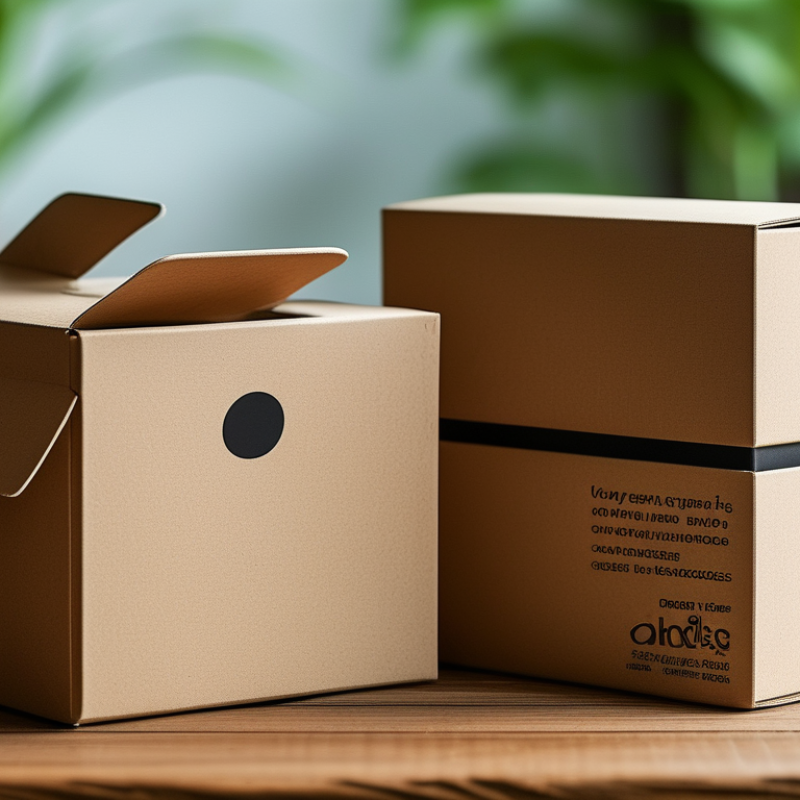
Understanding the Importance of Retail Packaging for Product Success
Retail packaging plays a crucial role in a product's success. It is not just about aesthetics. Good packaging protects the product and ensures it arrives intact. Customers are drawn to visually appealing designs. A well-designed box can catch the eye and create a memorable first impression. This makes your product stand apart from competitors.
Consider the materials used in packaging. They should reflect your brand values and resonate with your target audience. Eco-friendly options appeal to conscious consumers. In contrast, luxury products might require more upscale packaging to convey quality. The shape of the box also matters. Unique designs can enhance functionality while promoting brand identity.
However, crafting the perfect retail box is challenging. It requires testing and feedback from customers. Not all designs will resonate. Sometimes, what seems appealing may fall flat in the market. It’s essential to be open to criticism and willing to adapt. Retail packaging should evolve as customer preferences change. Embracing this mindset can lead to continued success and innovation.
Identifying the Right Material for Your Retail Boxes
Choosing the right material for retail boxes is crucial for product success. Different materials offer various advantages and limitations. For example, corrugated cardboard is a popular choice. It’s lightweight yet durable, making it suitable for shipping and display. According to a recent industry report, corrugated boxes made up over 30% of the packaging market due to their strength and recyclability.
Plastic boxes, on the other hand, provide an elegant presentation and water resistance. However, they can be more expensive and less eco-friendly. A survey by the Packaging Association noted that 65% of consumers prefer brands that use sustainable materials. This insight emphasizes the importance of selecting materials that align with consumer values.
Exploring paperboard also presents beneficial options. It's cost-effective and offers a range of finishes for branding. Yet, it may not hold up as well in moisture or rough handling. Evaluating your product’s specific needs and your target market's preferences will guide your material choice. A thoughtful approach ensures that your retail boxes not only protect your product but also enhance your brand image.
Selecting the Appropriate Size for Your Products
Choosing the right size for retail boxes is crucial for your products. A well-fitted box protects items during shipping and enhances the customer experience. Start by measuring your products precisely. Use a ruler or a caliper for accuracy. Remember that too much extra space can lead to damage, while a tight fit may crush your items.
Consider the weight of your products when selecting box sizes. Heavy items need sturdy boxes. If the box is too light, it may not support the product effectively. For fragile items, think about adding cushioning materials. This adds weight but provides safety. It's a balance between protection and cost.
Test different sizes before making a final decision. You might find that adjustments are needed. What seems perfect initially may become impractical during the shipping process. Gathering feedback from customers can provide insights. Their opinions can guide your choices moving forward, improving both presentation and reliability.
Design Considerations for Eye-Catching Retail Boxes
When selecting retail boxes, design plays a pivotal role. Research indicates that over 70% of buying decisions stem from packaging design. Eye-catching boxes can captivate consumers, leading them to select your product over competitors. Vibrant colors and unique shapes make a statement on crowded shelves. According to a report by Packaging Strategies, products with standout packaging see a 35% increase in sales compared to ordinary designs.
Consider texture and materials. A tactile experience enhances customer engagement. Soft-touch finishes can evoke luxury, while eco-friendly materials appeal to sustainability-conscious shoppers. In fact, 64% of consumers prefer packaging made from sustainable resources. This trend reflects a growing demand, shaping consumer perceptions. Each design element should align with your brand identity, but it's essential to balance aesthetics with functionality. A beautiful box that is difficult to open may frustrate customers, undermining their experience.
Moreover, reflecting on your design strategy is crucial. Many brands overlook the importance of practical features like unboxing ease or shelf presence. Engaging a designer with expertise in retail packaging can help refine your vision. Integrating consumer feedback into your design process can validate your choices. By prioritizing both appeal and usability, your retail boxes will not only attract attention but also foster loyalty through a satisfying customer experience.
How to Choose the Best Retail Boxes for Your Products?
Evaluating Cost-Effectiveness and Sustainability of Packaging Options
When selecting retail boxes for your products, cost-effectiveness and sustainability are crucial considerations. The packaging must protect the product while also being affordable. Cheaper materials may cut costs initially, but can lead to damage and returns. A strong box can reduce long-term expenses. Customers often appreciate eco-friendly options. Sustainable materials can bolster your brand’s image. This change may attract more consumers, impacting profits positively.
Evaluating various packaging options requires a balance. Recycled cardboard often appears as a viable choice. It’s lightweight and reduces shipping costs. However, it may not always offer the durability needed. Biodegradable options are also gaining popularity. Yet, they can sometimes be pricier. Conducting a cost-benefit analysis can clarify the best route forward. Consider long-term benefits against immediate expenses.
Reflecting on your choices can reveal insights. Are you prioritizing aesthetics over function? That could lead to wasted materials. Are you ignoring consumer preferences for sustainability? This oversight might cost you potential sales. Regularly reassessing your packaging strategy ensures relevance in a rapidly changing market.
Conclusion
In the competitive world of retail, choosing the best retail boxes is crucial for product success. Effective retail packaging not only attracts customers but also protects the product and enhances the brand image. When selecting retail boxes, it’s essential to understand the importance of materials; choosing the right substance can influence both durability and customer perception. Additionally, the size of the boxes must be appropriate to ensure that products fit securely, minimizing damage during transit.
Design plays a key role in making retail boxes eye-catching, as it can significantly impact consumer choices. Furthermore, businesses should evaluate the cost-effectiveness and sustainability of packaging options to align with modern consumer preferences for eco-friendly solutions. By considering these factors, companies can create retail boxes that not only showcase their products effectively but also resonate with environmentally conscious shoppers.

 Doton Printing