Sourcing Rigid Boxes in 2026 is not simply a matter of choosing a color and requesting a quote. Your box must protect the product, reflect your brand, and fit your budget and delivery schedule. It may also need to meet customer expectations for responsible packaging. Those requirements can pull in different directions. A heavier board can feel substantial, yet add shipping weight. A complex finish may look polished, but increase cost and production time. The hard part? Balancing all four.
Industry reports offer useful context, though they cannot replace supplier checks. Smithers’ The Future of Packaging: Long-Term Strategic Forecasts to 2030 examines market growth and changing packaging demands. McKinsey’s 2023 report, Sustainability in Packaging: Inside the Minds of Global Consumers, explores consumer expectations around packaging sustainability. Together, they underline why sourcing decisions now involve more than appearance: material choices, performance, and clear product information all matter. They do not, however, tell you which factory will deliver a reliable box. That takes evidence.
Before approving an order, compare board grade, dimensions, insert design, finish, minimum quantities, lead times, and shipping terms. Request a physical sample. Check whether a bottle stays snug, a lid closes cleanly, and foil details remain sharp under real lighting. Ask suppliers how they handle defects and confirm specifications in writing. A sample can still differ from a production run, so build inspection time into your plan. This guide explains how to assess suppliers, compare quotes, and make a more informed sourcing decision for your business in 2026.
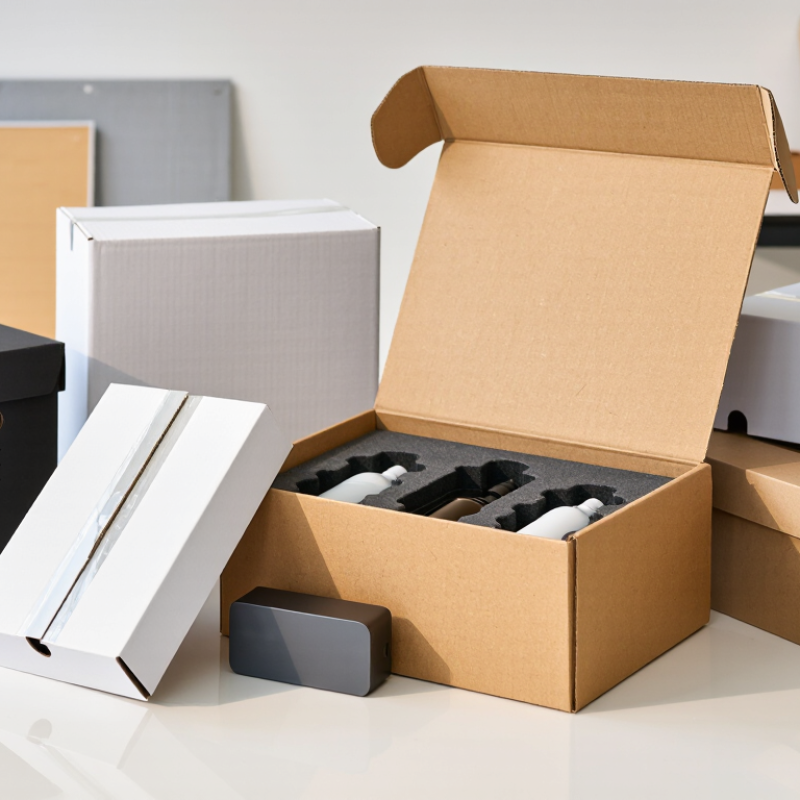
Before requesting quotes, turn “premium” into a measurable brief. Specify the product’s dimensions, weight, fragility, and expected order volume. Note whether the box needs a lid-and-base design, a magnetic closure, or a fitted insert. A glass jar may need a snug cavity; a soft garment may not. Include the delivery route, storage conditions, target unit cost, launch date, and acceptable production lead time. Small details matter.
Set goals that suppliers can test. For example, define a maximum box weight, a damage-rate target, and a required number of samples before production. McKinsey’s 2023 U.S. consumer survey found that 75% of respondents considered sustainability important, while 51% said they would pay more for sustainable packaging. That matters, but it does not mean every buyer will pay a premium. Ask which material and finish options meet your budget and disposal goals. The U.S. Environmental Protection Agency reported that containers and packaging made up 28.1% of municipal solid waste in 2018. Treat that figure as context, not proof that one box design is automatically better.
Prepare a simple product brief with reference photos, artwork files, annual volume, and shipping destination. Ask for samples using the intended insert and finish; an empty box can hide fit problems. I’d also leave room to revise the specification after testing. The first brief is rarely perfect. Sources: McKinsey, Sustainability in Packaging: Inside the Minds of U.S. Consumers (2023); U.S. EPA, Advancing Sustainable Materials Management: 2018 Fact Sheet.
| Requirement Area | Information to Define | Practical Options or Planning Guidance | Business Goal and Supplier Check |
|---|---|---|---|
| Product fit | Product dimensions, weight, shape, and any fragile or protruding parts. | Provide the product’s maximum dimensions and weight. Specify whether measurements are for the product or the finished box interior. | Request an internal-dimension drawing and a physical fit sample before approving production. |
| Box construction | Preferred style, opening method, board thickness, and required protection. | Common styles include lift-off-lid, book-style, and drawer boxes. Rigid board is often specified by thickness; roughly 1.5–3 mm is a planning range, not a universal standard. | Match construction to product weight, presentation needs, and shipping conditions; confirm the exact board specification with the supplier. |
| Insert and product protection | Product position, cushioning, compartments, and removal method. | Possible insert materials include paperboard, molded fiber, foam, and corrugated board. Select based on fit, protection, appearance, and material requirements. | Test the packed product for movement and damage risk. Confirm insert material and dimensions in the approved sample. |
| Artwork and finish | Print colors, artwork files, finish, and any special effects. | Options may include printed paper wraps, matte or gloss coatings, foil stamping, embossing, and debossing. Each added process can affect cost and lead time. | Ask for a color proof and a finished sample. Confirm artwork tolerances, finish placement, and approval steps in writing. |
| Order quantity and budget | Initial order, expected annual demand, target unit cost, and sampling budget. | Rigid-box minimum order quantities vary by supplier, size, materials, and production method; there is no universal MOQ. Request quotes at several quantities. | Compare unit price, tooling or setup charges, sample fees, packaging, and freight separately—not just the quoted box price. |
| Timeline and logistics | Sample approval date, required delivery date, destination, and shipping method. | Allow time for sampling, revisions, production, and transit. Actual lead times depend on supplier capacity, order details, and shipping route. | Request a dated production schedule and clarify whether quoted lead time starts after artwork, sample, or deposit approval. |
| Material and compliance needs | Recycled-content targets, material restrictions, destination-market rules, and documentation needs. | Specify any required material composition or testing. Requirements can differ by product type and destination market. | Ask for relevant material declarations or test reports, and verify that they apply to the proposed box components and intended use. |
| Quality control | Acceptable tolerances, inspection stages, defect criteria, and corrective-action process. | Define measurable checks for dimensions, color, finish, lid fit, insert fit, and visible damage. Agree on inspection sampling and acceptance criteria before production. | Request pre-production approval and an agreed process for documenting and resolving nonconforming units. |
Planning note: Specifications, costs, minimum order quantities, and lead times vary by supplier and project. Confirm all figures and requirements in a written quotation and approved sample.
List product dimensions, weight, fragility, order volume, delivery route, storage conditions, target cost, and launch date. Add reference photos and artwork files. Leave room for revisions; the first brief may miss something.
Match the structure to the product and how customers will handle it. A lid-and-base box is simple to pack and display. Book-style and magnetic closures offer different opening experiences. Check assembly effort, too.
Test a fitted insert, snug product cavity, and reinforced corners. A glass item may shift inside a loose box. Test the fit. Gently handle the packed sample before approving production.
Compare paper, cloth, and specialty wraps, along with plain printing, foil, and embossing. Coatings and foil may complicate recycling. A premium finish can look appealing but may not justify its cost.
Check board thickness, corner alignment, lid fit, wrap texture, and insert placement. Open and close each box several times. Small details matter. A polished sample may not match every production run.
Compare dimensions, board grade, printing, inserts, finishes, packing, tooling, minimum order, and shipping terms. Request a written breakdown. A lower total may exclude an insert or use thinner board.
Ask which materials and finishes fit your budget and disposal goals. Do not assume customers will pay more for a particular box. Treat that idea as a test, not a promise.
Request sample, production, and transit timelines, with realistic dates for revisions. Keep one approved sample as a reference. Ask how defects are handled and request updates before shipment.
Sourcing Rigid Boxes in 2026 starts with a clear understanding of your business goals, product dimensions, budget, order volume, and desired customer experience. These requirements help guide decisions about materials, box structure, finishes, inserts, and other customization options. A well-defined brief makes it easier to compare suppliers and select packaging that suits both your products and your brand’s practical needs.
Next, research manufacturers for relevant experience, production capabilities, communication, and quality controls. Request samples and detailed quotes so you can assess construction, appearance, pricing, and lead times side by side. Before placing an order, confirm specifications, production milestones, payment and quality terms, and delivery arrangements. Careful planning and clear communication can help reduce unexpected delays or costs and ensure the finished boxes meet your expectations.

 Doton Printing