Printed Boxes do more than carry a product. They protect it, communicate a brand, and shape the first moment of unboxing. In 2026, common options include folding cartons, corrugated mailer boxes, rigid boxes, kraft styles, and printed sleeves. Each serves a different purpose. A slim carton may suit skincare, while a sturdy corrugated box can handle shipping better. Rigid boxes offer a substantial feel, but they often use more material and cost more. Looks matter. So do weight, storage, printing needs, and how the box travels.
This guide explores the top types of printed boxes and the practical trade-offs behind them. It considers materials, typical uses, customization, and the details buyers should check before ordering. For example, a small color difference can change how a design appears on kraft paper, while an oversized box may need extra protective fill. Samples can reveal issues that a digital mockup cannot. That step is easy to skip.
No single format works for every product or budget. A popular style may still be a poor fit if it adds unnecessary shipping weight or fails to protect the contents. Sustainability claims also deserve a closer look; recyclable materials do not automatically make every package a better choice. The right decision depends on the product, supply chain, and customer experience. Some choices involve compromise. Knowing where that compromise sits can help brands choose packaging with greater confidence.
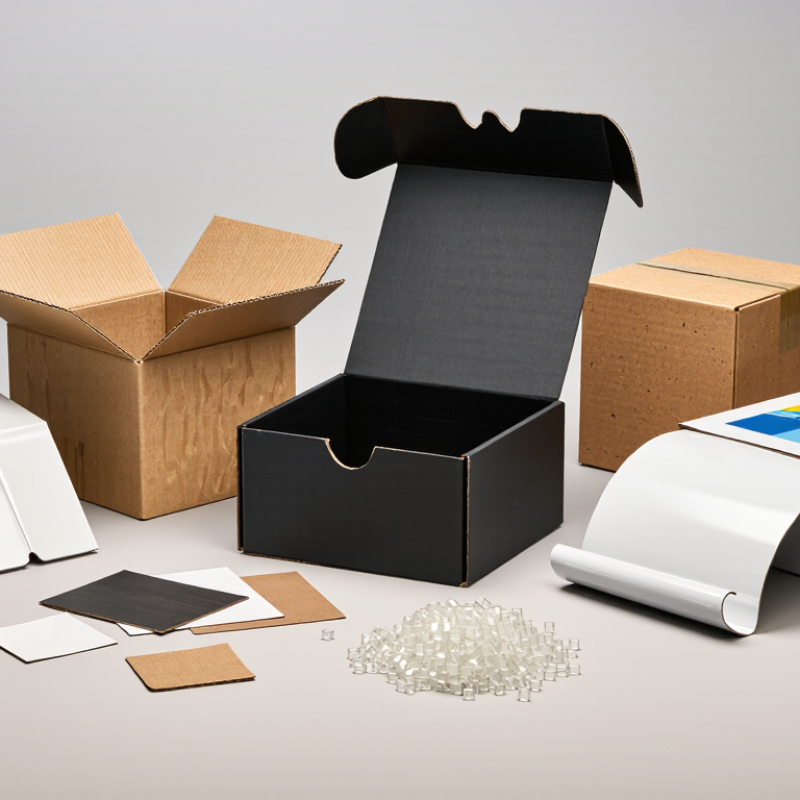
Printed boxes in 2026 are commonly classified by structure, material, and printing method. Folding cartons are lightweight and crease flat, making them practical for shelves and small products. Corrugated boxes have fluted inner layers that help cushion goods during shipping. Rigid boxes use thick, sturdy walls and often suit products that need a more substantial presentation. Some designs cross categories. A printed corrugated mailer, for example, is both a shipping box and a display package.
Tips: Start with the product’s weight, fragility, and storage conditions. Check a physical sample, not just a screen proof. Small text can blur on textured board.
Material and print finish create another useful classification. Paperboard, corrugated fiberboard, and specialty papers each feel and perform differently. Digital printing can suit shorter runs or variable designs; offset printing is often considered for larger quantities. Finishes such as matte coating or foil accents change appearance, but they can also affect cost and recyclability. No category is automatically best. Box selection still involves trade-offs, and real handling tests may reveal issues that a neat specification sheet misses.
| Printed box type | Typical construction | Common applications | Common printing and finishes | Typical classification basis |
|---|---|---|---|---|
| Folding carton | Printed paperboard cut and creased into a carton; commonly shipped flat and assembled for use. | Food, personal care, medicines, and small consumer products. | Offset or digital printing; coatings, embossing, or foil can be added where suitable. | Classified by paperboard grade, carton style, and closure. |
| Corrugated box | Linerboard bonded to a fluted paper medium; wall construction may be single-, double-, or triple-wall. | Shipping, storage, e-commerce orders, and protective transit packaging. | Flexographic printing is common; digital and litho-laminated options are also used. | Classified by flute profile, wall construction, box style, and strength requirements. |
| Rigid setup box | Thick, non-collapsible paperboard wrapped with printed or decorative paper. | Gift sets, electronics, cosmetics, and other products needing a sturdy presentation box. | Printed wrap, foil stamping, embossing, and specialty surface coatings. | Classified by lid style, base construction, depth, and wrap material. |
| Kraft paper box | Box made from kraft paperboard or kraft-faced corrugated board; may be unbleached or coated. | Takeaway food, bakery goods, retail items, and shipping applications. | Flexographic, digital, or other compatible printing; ink coverage and coatings depend on the intended use. | Classified by board structure, kraft grade, box design, and any required barrier properties. |
| Mailer box | Usually a self-locking corrugated design with integral flaps; can also be made from paperboard for lighter products. | Direct-to-consumer shipments, subscription packaging, and product kits. | Exterior or interior graphics printed by flexographic, digital, or litho-laminated processes. | Classified by board type, closure design, internal fit, and shipping needs. |
| Window box | Folding carton or other box style with a cut-out panel, often covered by a transparent film. | Products where visibility helps shoppers inspect the contents, including food and retail goods. | Printed carton with a die-cut opening; film choice and placement vary by product requirements. | Classified by the underlying box style, window size, and window material. |
| Sleeve or wrap box | Printed paperboard sleeve that slides over a tray, carton, or product. | Food trays, gift packaging, multipacks, and product presentation. | Printed graphics on the sleeve; finishes may include coatings, embossing, or foil. | Classified by sleeve shape, fit, substrate, and the inner pack it covers. |
Classification varies by supplier and application; material selection, print process, and finishes should be matched to product protection, distribution, and end-use requirements.
Common types include folding cartons, corrugated boxes, and rigid boxes. Some designs combine roles, such as a printed mailer that protects and displays a product.
Consider the product’s weight, fragility, and storage conditions. Test a physical sample with the actual item inside. Specifications alone can miss problems.
Folding cartons work well for lightweight items such as tea, cosmetics, stationery, and small accessories. They ship flat and take up less storage space before assembly.
Their fluted inner layers help cushion goods during shipping. A corrugated mailer can protect an online order and provide a printed outer surface.
Rigid boxes have thick, sturdy walls and often suit gifts or products needing a substantial presentation. They use more material than lightweight cartons.
Digital printing can suit shorter runs or variable designs. Offset printing is often considered for larger quantities. Matte coatings and foil accents change appearance, but may affect cost and recycling.
No. Coatings, windows, inks, laminates, and attached parts can affect local sorting. Check local guidance and request material details before approving the design.
Put the real product inside, stack several boxes, and check corners, flaps, and small text. A simpler design may be more dependable, though transit conditions still matter.
Printed Boxes in 2026 are best understood by how their structure, weight, durability, and presentation suit different products. Folding cartons are lightweight and versatile, making them a practical choice for many retail items. Corrugated boxes offer added strength and cushioning, so they work well for shipping and e-commerce, where packages need to withstand handling and transit.
For premium products and gifts, rigid boxes provide a sturdy structure and an elevated unboxing experience. Specialty options can include distinctive shapes, finishes, or functional details, while sustainable designs may use recyclable materials or reduce excess packaging. Choosing among these types means balancing appearance, protection, cost, and environmental considerations. The right box is the one that fits the product’s needs while clearly presenting it and supporting its journey from packing to the customer.

 Doton Printing