Explore our highly integrated ODM and OEM packaging products, engineering compliance directly into the supply chain.
The global industrial packaging landscape is undergoing a systemic paradigm shift. Regulatory compliance, specifically the CE Marking (Conformité Européenne), is no longer limited to electrical products or medical devices. Today, secondary packaging, food contact paperboards, and pharmaceutical-grade cartons must satisfy rigorous EU safety directives, chemical composition constraints (including REACH and RoHS compliance), and structural integrity standards before entering the European Economic Area (EEA).
"Compliance is not merely a legal requirement; it is a competitive lever. Modern manufacturing units require materials that guarantee food contact safety under Regulation (EC) No 1935/2004, coupled with mechanical resistance to endure transcontinental logistics."
For procurement officers in multinational enterprises, securing CE-certified paperboard factories translates directly to minimized customs bottlenecks and mitigated liability risks. In regions like the Middle East, North America, and Europe, localized standards dynamically sync with CE frameworks. A packaging box certified under CE principles assures that toxic substances, such as heavy metals (lead, cadmium, mercury, and hexavalent chromium), are kept well below the 100 ppm limit defined by the Packaging and Packaging Waste Directive (94/62/EC).
Global supply chain demands dictate that sustainability must coexist with durability. Procurement directories are actively weeding out non-certified partners. Modern sourcing strategies prioritize factories that hold FSC (Forest Stewardship Council) Chain of Custody certifications alongside CE stamps. The intersection of these standards guarantees that the physical packaging—whether it's an E-flute corrugated container for e-commerce or a rigid gift box for high-end retail—is traced back to responsibly managed forests while preserving strict structural stability during heavy shipping cycles.
Analyzing how technological scaling in Zhuhai Doton Printing enables high-precision output, rapid turnaround times, and global cost competitiveness.
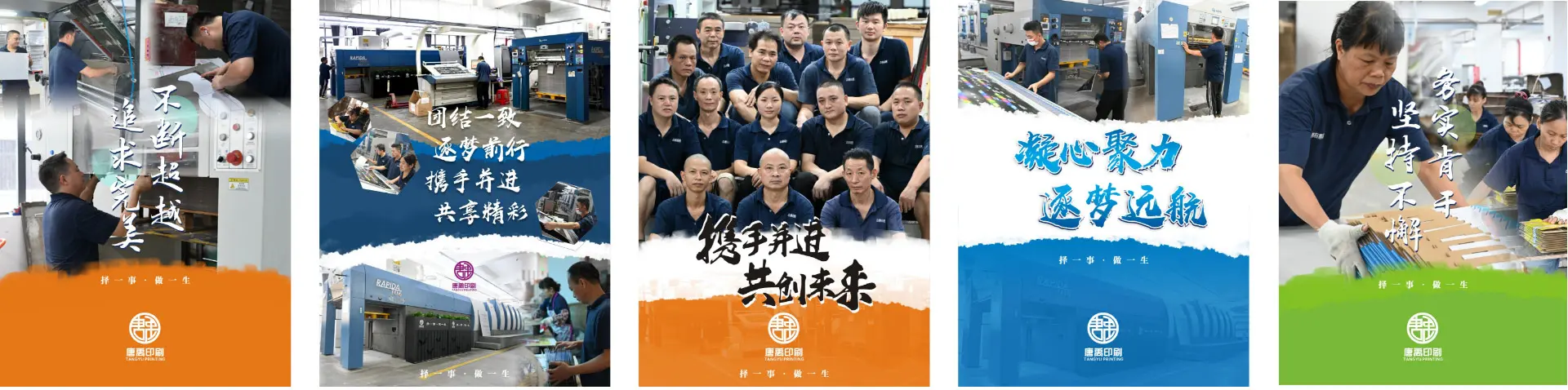
The modernization of Chinese paperboard manufacturing—coined Packaging Industry 4.0—is characterized by automated pre-press processing, real-time color management, and robotic post-printing finishing systems. Leading manufacturers like Zhuhai Doton Printing (established in 2009) have integrated these advanced frameworks to eliminate manual error margins during mass production.
Doton’s integration of high-resolution Computer-to-Plate (CTP) facility systems bypasses intermediate films, executing digital designs directly onto plates. This ensures that complicated multi-color patterns, micro-embossing, and critical functional barcodes retain absolute resolution clarity. In the printing phase, the deployment of next-generation German KBA (Koenig & Bauer) and Heidelberg offset printing presses guarantees perfect register accuracy across hundreds of thousands of runs.
Post-printing workflows are heavily automated. With a monthly capacity exceeding 1,000,000 units, the manufacturing floor employs high-speed laminators, automatic foil-stamping systems, precision die-cutters, and high-volume automated box pasting machines. This high ratio of automation cuts standard lead times in half, presenting global B2B clients with the optimal equilibrium of rapid scaling and cost efficiency.

Engineered packaging systems designed for global commerce, combining over 15 years of technical expertise with scalable manufacturing power.
Comprehensive design solutions ensuring optimum product-to-box space ratios and minimal material wastage.
Utilizing high-end KBA and Heidelberg machinery for unrivaled color consistency and premium print resolution.
Secured long-term relationships with material suppliers, mitigating pricing volatility and supply chain disruption.
Optimized package nesting designs that reduce freight volumes and lower carbon footprints per unit shipped.
End-to-end design, sample proofing, mass production, and direct-to-destination freight coordination.
We easily align the specific grammage, finish, and structural needs of both enterprise and startup brands.
The performance of cardboard packaging depends directly on the configuration of its raw materials relative to its application environment. In industrial packaging, cardboard is categorized and processed based on the specific stress factors of the distribution channel:
Choosing the right cardboard specification is a balancing act of economics and engineering. Heavy products require double-wall corrugated options (such as BC-flute combinations), whereas smaller consumer products benefit from E-flute structures that save space and shipping weight. Standard grammage ranges from lightweight folding cartons of 250 GSM up to heavy-duty industrial boards exceeding 450 GSM. By aligning these physical properties with a client's transport parameters, packaging engineers optimize material usage to prevent both over-packaging and product damage.
Understanding the variable components that drive international cardboard packaging prices.
Cardboard packaging quotes depend on several changing market factors. A professional B2B pricing model is calculated using the following primary variables:
Because plate setups and design calibration require significant setup time on high-volume offset presses, small batches carry higher unit prices. When volumes surpass 10,000 units, setup costs are distributed widely, making high-capacity factories the most cost-effective solution for large-scale operations.
Essential advice directly from factory engineers to help you make informed buying decisions.
Review our specialized structures, including food-grade boxes, luxury biscuit containers, and high-strength mailers.
 Doton Printing