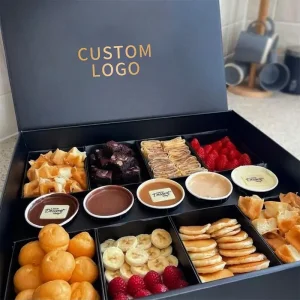
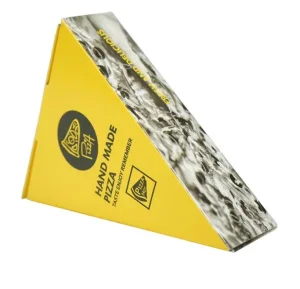
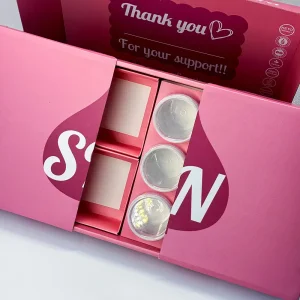
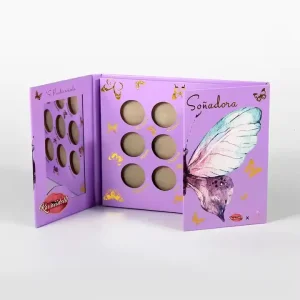
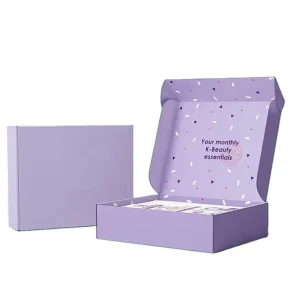
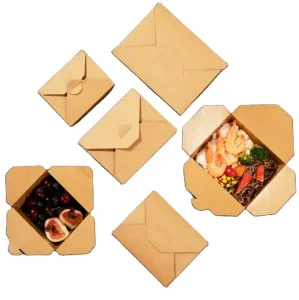
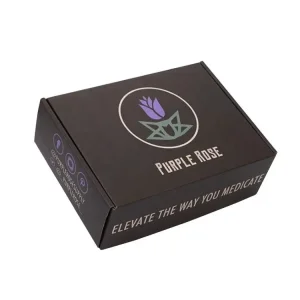
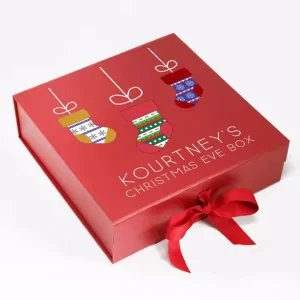
Engineered for food contact safety, custom brand marketing, and high-performance logistics. Direct quote requests available for all products.
Leveraging over 15 years of industry-leading innovation to provide global brands with certified food contact packaging options.

Established in 2009, Zhuhai doton Printing is one of the leading and professional manufacturer in China.
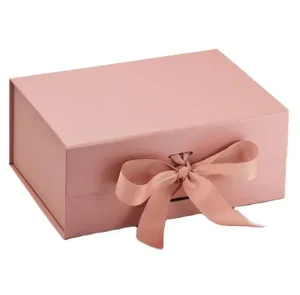
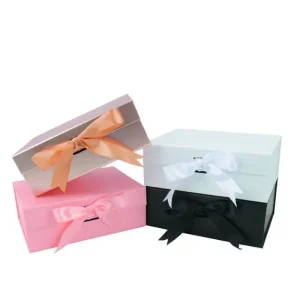
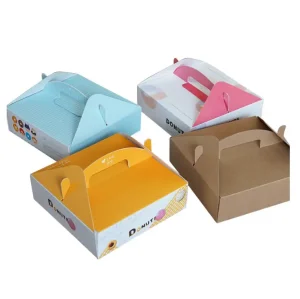
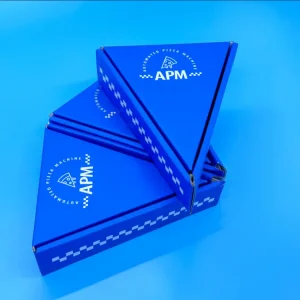
We are specialized in paper box, corrugated box, gift box, paper shopping bag. Our packaging is widely used in food, wine, cosmetic, jewelry, toy and garment industry etc.
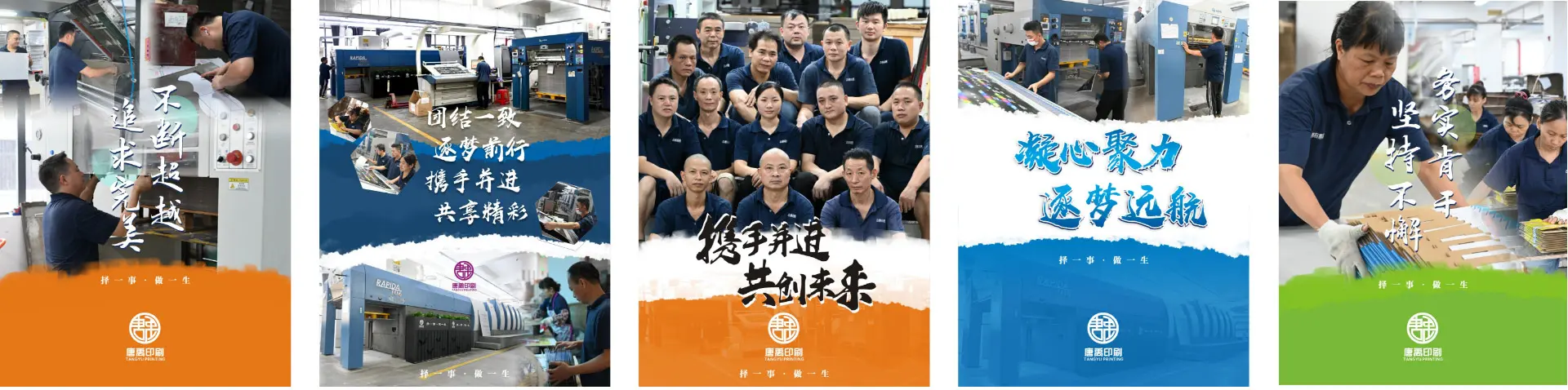
One of the factors we can succeed in the market of DOTON is focus on material, research and development. We use FSC paper, recycled material, soy ink and environmental materials to achieve a better printing quality with higher resolution. We apply for advanced CTP facility system, from artwork directly to plate. Printing is the core process of the packaging production. Doton uses brand new KBA printing machines to meet your high quality standards.
In the contemporary global food supply chain, packaging is no longer just a vessel for containment. It has evolved into a critical touchpoint for compliance, preservation, and branding. Globally, governments and health organizations are enforcing stringent regulations regarding direct food contact materials (FCM). For packaging importers, distributors, and quick-service restaurant (QSR) chains, maintaining structural and chemical compliance is a primary operational priority.
As the European Union and North American markets phase out harmful chemical substances such as Per- and polyfluoroalkyl substances (PFAS) and non-recyclable single-use plastics, the demand for certified paperboard alternatives has surged. Companies must navigate a highly complex regulatory landscape, balancing safety credentials, environmental metrics, and cost efficiency. The sourcing of custom packaging requires transparency, tracing every raw component from the pulp mills to the final printing ink.
"The shift toward eco-compliant, certified packaging materials is reshaping international supply chains. Compliance is no longer an option; it is the entry ticket to premium global markets."
For paper and cardboard food boxes distributed within the European Economic Area (EEA), compliance with general safety principles is mandatory. While "CE marking" is traditionally associated with machinery and electronics, in the context of food packaging, it indicates compliance with the overarching European framework regulations for materials intended to come into contact with food.
Key regulatory pillars include:
By securing these verifications, factories demonstrate that their supply chains utilize raw virgin pulp or certified recycled fibers free of heavy metals, fluorinated compounds, and harmful mineral oil hydrocarbons (MOSH/MOAH).
How Chinese factories optimize cost-to-value metrics through automation, raw material sourcing, and specialized manufacturing hubs.
Equipped with state-of-the-art KBA and Heidelberg offset printing machinery. High-resolution direct plate CTP systems ensure color consistency, color matching accuracy, and sharp branding details on all packaging.
Adhering strictly to Forest Stewardship Council (FSC) sourcing protocols. By integrating premium virgin kraft, agricultural residue papers, and soy-based inks, we eliminate toxic heavy metal trace elements.
Streamlined post-printing processing including automatic film laminating, foil stamping, high-speed die-cutting, and computerized folder-gluers to maximize yield and lower per-unit cost.
The food packaging sector is undergoing a massive transformation driven by material science and smart design. Rather than relying on simple petroleum-based plastic coatings to provide moisture and grease resistance, developers are utilizing biopolymers and aqueous coatings. These technologies deliver high performance during product usage and break down naturally without leaving toxic residues in the environment.
Our technological roadmap focuses on three main developments:
Replacing traditional PE (Polyethylene) film lining with water-dispersible polymers. These coatings provide excellent grease and moisture protection while allowing the container to be easily repulped and recycled within existing paper waste management systems.
Integrating Polylactic Acid (PLA) and Polyhydroxyalkanoates (PHA) derived from renewable resources like corn starch and sugarcane. These biopolymers offer high thermal stability, making them suitable for hot food and microwave heating applications.
Developing oxygen-scavenging board liners and microbial-resistant barriers that extend the shelf life of fresh products. We are also exploring temperature-sensitive indicators that provide real-time quality verification during transport.
Different regional culinary styles and business formats require specialized packaging designs to maintain food quality, structural integrity, and brand presentation during transport:
Fast-paced food delivery requires stackable, easy-to-assemble packaging that retains heat without trapping condensation. Using ventilated kraft liners and clay-coated boards ensures that fried foods, burger buns, and hot wraps remain crispy. Pre-folded designs speed up busy kitchen assembly lines.
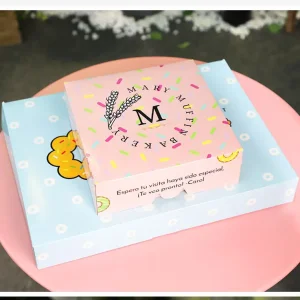
Bakery boxes with transparent, compostable cellulose windows display delicate pastries, muffins, and custom cakes while protecting them from moisture loss. Custom structural features like integrated cupcake inserts prevent movement during transit, preserving detailed decorations.
Heavy, oil-rich foods require robust packaging solutions. Custom corrugated board with high-barrier, greaseproof liners prevents leakage of sauces and oils, maintaining structural integrity even under high humidity. Reinforced bases prevent sagging when carrying heavy dishes like Mansaf.
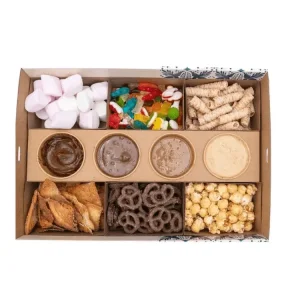
Luxury cardboard boxes feature precise custom compartments that prevent different items from mixing. Using non-absorbing, FSC-certified rigid board keeps sushi cool, hygienic, and visually appealing, reflecting the quality of premium catering brands.
To secure accurate pricing and ensure high quality for custom packaging runs, procurement departments should provide detailed technical specifications when requesting a quote (RFQ). The table below outlines the essential parameters required by manufacturing teams to optimize production and logistics costs:
| Specification Metric | Industry Standard Options | Impact on Final Quote |
|---|---|---|
| Base Material Board Weight | 250 gsm to 450 gsm (SBB, FBB, Kraftboard, Corrugated E/F Flute) | Determines structural strength, stackability, and shipping weight calculations. |
| Grease & Moisture Barrier | Aqueous Dispersion, PLA Lining, Compostable Bio-Wax coating | Determines compatibility with oily/wet foods and impacts compostability certifications. |
| Print Methodology & Inks | CMYK + Spot Pantone Offset, UV Cured Flexographic, Soy-based Inks | Affects visual detail, setup plate charges, and compliance with migration safety standards. |
| Quantity & Tooling Setup | MOQ typically 5,000 to 10,000 units per sizing profile | Amortizes fixed plate and die-cutting plate charges, lowering unit costs at scale. |
By defining these criteria beforehand, purchasing teams can reduce project turnaround times and secure competitive pricing while maintaining quality and compliance.
Technical clarification regarding compliance, custom design prototyping, and logistics optimization.
From heavy-duty corrugated shipping cartons to luxury gift and cosmetic packaging solutions.
 Doton Printing