Explore our high-performance custom paper, polymer-insulated, and eco-certified packaging systems engineered for global supply chains.
How Modern Food Logistics Mandates Advanced Heat Retention, Grease Barriers, and Environmental Compliance.
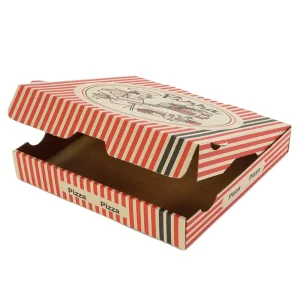
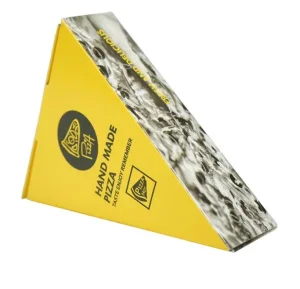
For decades, the classic corrugated cardboard box served as the default packaging solution for the pizza delivery industry. However, as delivery ecosystems expanded globally through digital platforms, the limitations of traditional paper containers became glaringly apparent. Under extreme conditions of humidity, condensation, and mechanical vibration during transit, standard paper boxes lose structural integrity, absorb moisture, and let vital heat escape. This has driven the industry toward hybrid packaging designs and high-performance food-grade plastics (PET, PP, and compostable PLA polymers).
Modern commercial food operators require a packaging solution that preserves the crust's texture while maintaining an internal temperature above 65°C. To achieve this, leading manufacturers combine corrugated boards with high-barrier plastic coatings, window features, and internal polymer-based liners. In institutional delivery sectors (such as schools, stadiums, and defense catering), pure food-grade plastic reusable pizza systems are becoming the gold standard due to their cleanability, chemical resistance, and compatibility with automated dishwashers.
Using multi-wall polypropylene (PP) structures or interior PET thermal reflective coatings allows boxes to keep pizzas hot up to 45% longer than plain paper packaging.
By integrating micron-thin polymer layers, the container prevents natural oils and moisture from weakening the box structure, keeping the bottom crust crisp.
Modern hybrid designs pair Forest Stewardship Council (FSC) certified sustainable paper with bio-derived PLA windows for high visibility and eco-compliance.
Critical Regulatory Compliance Metrics Required for European and Global Markets.
Any plastic material, lining, or component destined for food contact in the European Economic Area (EEA) must strictly comply with rigorous health and safety directives. The presence of a legitimate CE marking, along with a Declaration of Compliance (DoC), signals that the manufacturer has performed exhaustive lab testing on raw polymers, colorants, and processing aids.
Under EU Regulation (EC) No 1935/2004 (concerning materials and articles intended to come into contact with food) and Regulation (EU) No 10/2011 (specifically targeting food contact plastics), manufacturers must guarantee that chemical migration levels do not endanger human health, alter food composition, or degrade its organoleptic properties (taste and smell). Our factories strictly audit these pathways using advanced gas chromatography-mass spectrometry (GC-MS) to ensure migration remains far below the legal limit of 10 mg/dm² of contact surface.
| Material Type | Common Applications | Temperature Resistance | Migration Assessment Status (EU 10/2011) |
|---|---|---|---|
| Virgin Polypropylene (PP) | Heavy-duty reusable boxes, structural liners | -20°C to +120°C | Compliant - Ideal for microwave reheating and greasy foods |
| PET / APET | Clear viewing windows, outer structural sleeves | -40°C to +70°C | Compliant - Outstanding gas barrier, high clarity |
| PLA (Polylactic Acid) | Biodegradable windows, eco-liners | 0°C to +55°C | Compliant - Derived from renewable plant sources |
| High-Impact Polystyrene (HIPS) | Internal pizza savers / tripod spacers | -20°C to +80°C | Compliant - High structural stability, rigid support |
For multinational chains, importing packaging without verified third-party laboratory verification (from institutions like SGS or TÜV Rheinland) presents severe business risks, including customs seizures, hefty regulatory fines, and reputational damage. At Doton Packaging, our complete testing records are made transparently available to procurement departments to ensure smooth customs clearance and peace of mind.
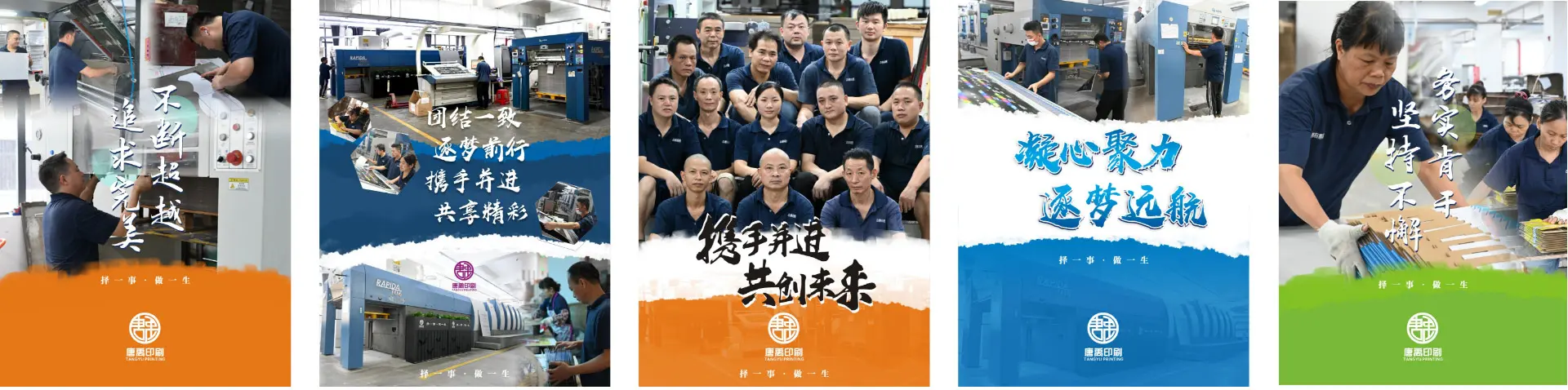
China's manufacturing sector has transitioned from a high-volume hub to an automated, precision ecosystem. Leveraging advanced factory automation allows us to keep production costs down while maintaining strict quality control. Operating from our state-of-the-art facility in Zhuhai, we combine high-speed printing machinery with automated die-cut and polymer application platforms.
At Zhuhai Doton Printing, we have scaled our production lines to meet large-scale global demands. By integrating CTP (Computer-to-Plate) prepress setups and using high-precision German KBA offset printing machines, we produce highly detailed graphics directly onto structural packaging substrates. In addition, our automated lamination, die-cutting, and box-pasting machines run 24/7 to deliver over one million boxes per month.
Years Industry Experience
Monthly Box Capacity
CE & Food-Grade Audited
Smart Factory Integration
How Regional Climates, Business Models, and Distribution Logistics Dictate Packaging Choices.
High-speed assembly lines need packaging that folds in seconds. Custom-creased structural hybrid boxes with integrated PP coatings keep grease from leaking, minimizing customer complaints.
In dense cities, electric bikes travel through cool, damp weather. Packaging must feature high-barrier interior plastic films to prevent condensation from turning the box soggy.
Large-scale catering venues rely on heavy-duty, reusable plastic trays that can be stacked up to 15 boxes high. These trays must be made of easy-to-sanitize materials that can withstand high-temperature industrial washers.
In addition, the rise of food delivery apps (like UberEats, Deliveroo, and Meituan) has changed the way food packaging is designed. Modern packaging must withstand longer delivery times and rougher handling. This requires boxes with reinforced structural corners, smart steam venting systems to prevent sogginess, and secure closures that stop accidental spills and prevent tampering during transit.
Established in 2009: Leading the Way in Professional Paper and Hybrid Packaging Solutions in China.
Established in 2009, Zhuhai Doton Printing is a leading and professional packaging manufacturer in China. We specialize in paper boxes, corrugated cartons, high-end gift packaging, and paper shopping bags. Our packaging solutions are widely used in food service, wine, cosmetics, jewelry, toys, and garments. A key factor in our success is our ongoing focus on material innovation, research, and development.
We prioritize sustainability by using FSC-certified paper, recycled content, soy-based inks, and eco-friendly finishes. To ensure sharp image resolutions and vibrant colors, we use an advanced direct-to-plate CTP system. Printing is the core process of our packaging line. We use brand-new German KBA offset printing presses to meet the high quality standards required by global brands.

Unmatched Experience, Advanced Machinery, and Comprehensive Design Services.
Over 15 years of package range design and service experience, managing complex custom orders for leading global brands.
Equipped with top advanced offset Heidelberg and KBA print machines, ensuring sharp details and consistent colors.
Stable labor pools and direct supplier relationships keep raw material costs steady and production on schedule.
We focus on integrating technical and logistics systems, helping you save on freight and warehousing costs worldwide.
A complete structural design, graphic customization, printing, and shipping workflow, saving you time and reducing errors.
Expert Answers on CE Certification, Polymer Safety, Ordering Procedures, and Custom Logistics.
Under European regulations, any packaging with plastic liners or coatings that touches food must prevent harmful chemicals from transferring into the food. CE certification verifies that the packaging has passed testing under EU Regulation No 10/2011, ensuring it is safe at high temperatures and does not release toxic materials.
Polypropylene (PP) is highly heat-resistant (up to 120°C), making it ideal for hot pizzas and microwave reheating. Polyethylene Terephthalate (PET) provides a strong gas barrier and high clarity, making it perfect for transparent display windows but less suited for direct, high-temperature heat.
It depends on the materials. Hybrid boxes using standard PP/PET films must be sent to specialized recycling facilities that can separate the plastic layer from the paper. For fully compostable solutions, we can combine FSC-certified paper with biodegradable PLA liners that break down in industrial composting facilities.
Our typical MOQ for custom shapes, sizes, and prints is 10,000 units per style. This volume allows us to set up our automated machinery and high-speed offset printing presses efficiently, keeping your unit cost as low as possible.
We use real-time inline inspection sensors on our German KBA offset printing presses and automated die-cutting lines. These sensors detect minor color changes or structural flaws, automatically flagging them for removal. We also run regular random physical testing in our lab before any batch is cleared for shipment.
High-quality packaging designs for food service, retail, logistics, and gift presentation.
 Doton Printing