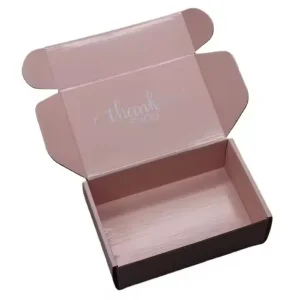
The global foodservice sector is experiencing a monumental transformation. As regulatory frameworks clamp down on single-use plastics (SUPD in the EU) and consumers increasingly demand sustainability, the packaging industry is transitioning to high-barrier fiber solutions. The market for round sushi boxes has registered double-digit growth, driven by the expansion of premium delivery channels and a general shift from petroleum-derived polymers to natural kraft paperboards.
The round structure is not merely aesthetic; it offers critical mechanical advantages. Structurally, round geometries distribute external forces uniformly, minimizing the risk of collapsed walls under vertical loading during transit. Furthermore, from a heat-retention and chemical perspective, the rounded corners eliminate stagnant pockets where condensates can accumulate, keeping the temperature uniform and avoiding moisture build-up that compromises the integrity of sushi rice.
For industrial buyers, distributors, and global restaurant chains, compliance is non-negotiable. CE Certification on round sushi packaging guarantees that the product complies with the strict directives governing European health, safety, and environmental protection. For food-contact items, this refers directly to Regulation (EC) No 1935/2004 and the specific guidelines under Regulation (EU) No 10/2011 concerning plastic barriers, or corresponding national recommendations (like BfR XXXVI for paperboard).
Key compliance testing variables include:
Utilizing high-end multi-color printing machines to ensure micro-accurate registrations and ultra-high resolution finishes with soy-based environment-friendly inks.
Proprietary Aqueous, PLA, and high-barrier PE liners specifically engineered to resist oil penetration (3M Kit ratings of 8-12) without compromising package recyclability.
CAD engineered lock-tab systems and anti-fog transparent PET/PLA window lids designed to maximize impulse sales while maintaining absolute airtight freshness.
Selecting the appropriate materials and grammage is critical for the success of your packaging. The food container must withstand wet, fatty contents without deformation. In cooperation with leading biochemical suppliers, our R&D division has optimized standard recipes to offer varying degrees of moisture-vapor transmission rates (MVTR) and grease-barrier performance.
| Specification Parameter | Eco-Barrier Kraft (Aqueous) | PLA Biodegradable Board | High-Barrier PE Laminated |
|---|---|---|---|
| Base Grammage (GSM) | 280g - 350g virgin Kraft board | 300g - 360g FSC-certified pulp | 260g - 340g food-grade paperboard |
| Barrier Thickness | 12 - 18 GSM (water-dispersion) | 20 - 30 GSM (cornstarch PLA) | 15 - 18 GSM (LDPE layer) |
| Grease Resistance (Kit Rating) | Kit 9 - 10 | Kit 8 - 9 | Kit 11 - 12 |
| Working Temp. Range | -18°C to +85°C | -10°C to +55°C (Not microwaveable) | -25°C to +100°C |
| End-of-Life Disposal | Recyclable & repulpable | Industrial compostable (EN 13432) | Recyclable at dedicated facilities |
Understanding structural cost components is critical for global distributors. The pricing structure of CE-certified round sushi boxes is generally determined by four major variables:
1. Raw Material Index: Paper pulp prices fluctuate globally. Selecting FSC-certified virgin Kraft or bleached SBS (Solid Bleached Sulfate) affects the base material price.
2. Structural Complexity: Designs featuring window patches (PET/PLA films) and locking tabs require dual-process die-cutting and window gluing operations.
3. Order Volume (MOQ Dynamics): High-speed printing setups (KBA / Heidelberg) require significant initial makeready costs. Thus, batch runs of 100,000+ units yield much lower unit costs compared to 10,000 units.
4. Freight Optimization: Shipping pre-assembled round boxes is inefficient. Flat-packed nesting designs maximize container space and reduce ocean freight costs by up to 45%.

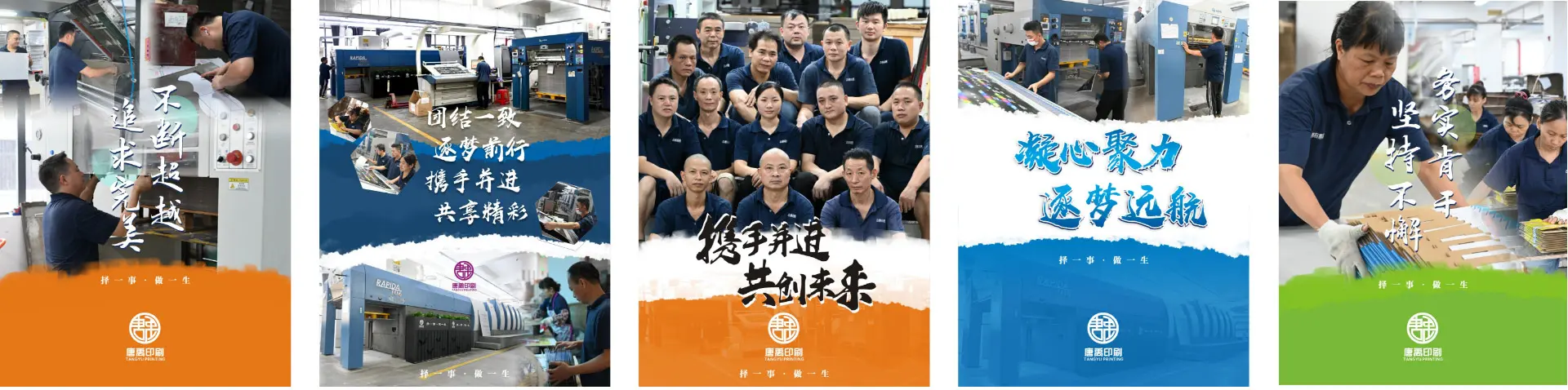
Based in Zhuhai, China, Doton Printing has grown to become one of the region's leading and most professional packaging manufacturers. Our facility features brand-new KBA and Heidelberg offset printing machines, automated lamination systems, foil-stamping machinery, and precision die-cutters. We produce over 1 million packages per month to meet the demands of global distributors.
View Full Catalog & PricesEngineered with 100% plastic-free, aqueous-coated board to satisfy EU Single-Use Plastics directives. Perfect for high-volume retail displays and quick-service checkout systems.
Fitted with high-clarity anti-fog PET lids to prevent condensation buildup, enhancing product visibility and fresh shelf presentation in cold storage cases.
Large-format, structural party platters featuring foil-stamping accents and interlocking bases to guarantee stable transit for high-value premium assortments.
We are actively investing in the next generation of food packaging tech. Here is our roadmap for material safety, barrier coatings, and operational sustainability.
Transitioning from traditional PE-lining and PLA to PHA (Polyhydroxyalkanoates)—a marine-biodegradable biopolymer derived from bacterial fermentation.
Upgrading our automated die-cutting lines with computer vision-guided alignment to achieve zero-tolerance sealing joints for maximum leak-proofing.
Optimize your packaging supply chain. Contact Zhuhai Doton Printing today to request physical samples, compliance documentation, or a tailored high-volume quotation.
Get Customized Pricelist Doton Printing