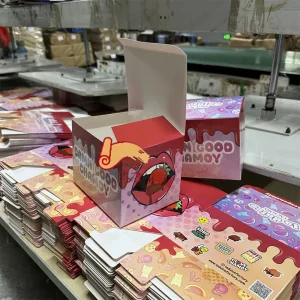
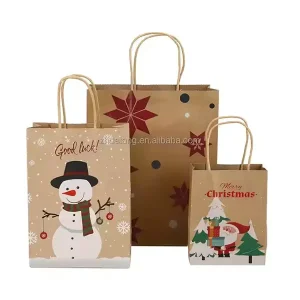
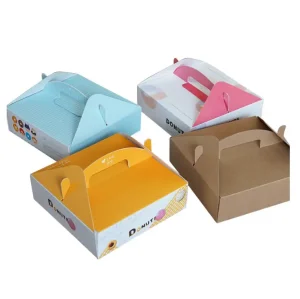
Engineered paper solutions tailored for automated logistics, luxury retail, electronics protection, and eco-conscious branding campaigns.

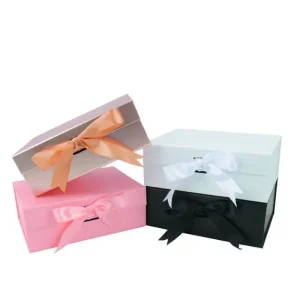
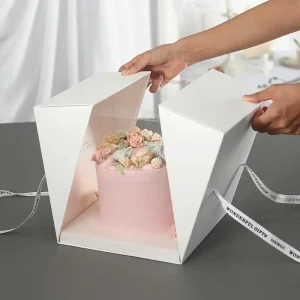
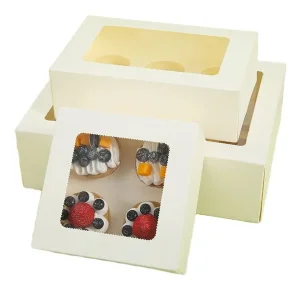
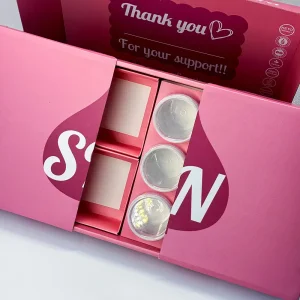
In the modern, highly integrated global supply chain, the small corrugated box acts as the fundamental protective cell for transit. As cross-border e-commerce (D2C), micro-fulfillment centers, and complex shipping loops scale up, the demands placed on small packaging units have expanded significantly. Historically used for bulk cushioning, lightweight cardboard boxes now serve as primary consumer touchpoints. The rise in shipping volume requires a corresponding decrease in material weight without sacrificing crush resistance.
This operational challenge is compounded by legislative changes worldwide. Regulatory actions, such as the European Union’s Packaging and Packaging Waste Regulation (PPWR), mandate that transport packaging prioritize recyclability, restrict void space ratios, and ban plastic packaging alternatives.
Consequently, industrial manufacturing platforms are moving away from single-use plastics to paper-based, high-strength structural boxes. To access the European Economic Area (EEA), industrial components, medical equipment packaging, and consumer goods require verified CE certification. This certification verifies that the paper packaging complies with directive-mandated limits for heavy metals and hazardous processing residues.

As manufacturers optimize their workflows for high throughput, several technical and material developments are shifting the standard for corrugated packaging:
The rise of E, F, and N-flutes (ranging from 0.6mm to 1.8mm thickness) provides the structural stiffness of rigid boxboard with the cushioning protection of traditional A/B fluting, reducing volume requirements during shipping.
Replacing traditional petroleum-based polyethylene barriers with bio-based, water-soluble coatings. This shift provides oil, water, and grease resistance while keeping the box fully recyclable.
Integrating RFID chips, digital watermarks, and anti-counterfeiting tracking technology directly into the corrugated layers, helping distribution centers track inventory automatically.
"Sustainable packaging is no longer a marketing trend; it is a regulatory requirement. CE compliant paper packaging requires systematic tracking of raw materials and clean printing methods, ensuring safety throughout the logistics lifecycle."
The integrity of small corrugated boxes relies on mechanical testing. To hold the CE mark under EN 13427 (Packaging—Requirements for the use of European Standards in the field of packaging and packaging waste), boxes must pass testing procedures assessing material weight, density, bursting strength, and chemical safety limits.
| Evaluation Parameter | Common Flute Type (E, F, B) | Grammage Target (GSM) | ECT Target (kN/m) | Mullen Burst Test (kPa) | CE Certification Criterion |
|---|---|---|---|---|---|
| E-Flute Micro-Box | 1.1mm – 1.6mm thickness | 120 - 250 GSM | 3.2 - 5.5 kN/m | 800 - 1200 kPa | Heavy Metals < 100 ppm (EN 13428) |
| F-Flute Ultra-Thin | 0.6mm – 0.9mm thickness | 110 - 200 GSM | 2.8 - 4.2 kN/m | 600 - 950 kPa | Recyclability Rating > 95% (EN 13430) |
| B-Flute Standard Small | 2.5mm – 3.0mm thickness | 150 - 350 GSM | 4.5 - 8.5 kN/m | 1100 - 2200 kPa | Energy Recovery Compliant (EN 13431) |
| BC-Double Wall Mini | Combine 4.0mm – 5.0mm | 250 - 450 GSM | 8.0 - 14.5 kN/m | 2000 - 3800 kPa | Compostability Options (EN 13432) |
During quality control checks, the Edge Crush Test (ECT) determines the vertical load-bearing capacity of the corrugated board structure. Standard testing includes cyclic temperature tests, exposure to 85% relative humidity to simulate ocean transit, and vibration testing to ensure structural integrity in automated conveyor facilities.
Industrial printing and packaging fabrication has shifted from manual tooling configurations to automated, digital production lines. The integration of CTP (Computer-to-Plate) technology allows prepress designs to transfer directly to printing plates, reducing setup waste and improving print registration. High-resolution lithography, using advanced KBA and Heidelberg offset presses, allows for complex designs on corrugated surfaces.
The production process uses post-print automation. High-speed, computer-controlled laminators mount printed top sheets to corrugated liners, and automated die-cutting machines cut the boxes to within 0.1mm tolerances. Folders and gluers apply starch-based, low-VOC adhesives, forming structural boxes ready for assembly.
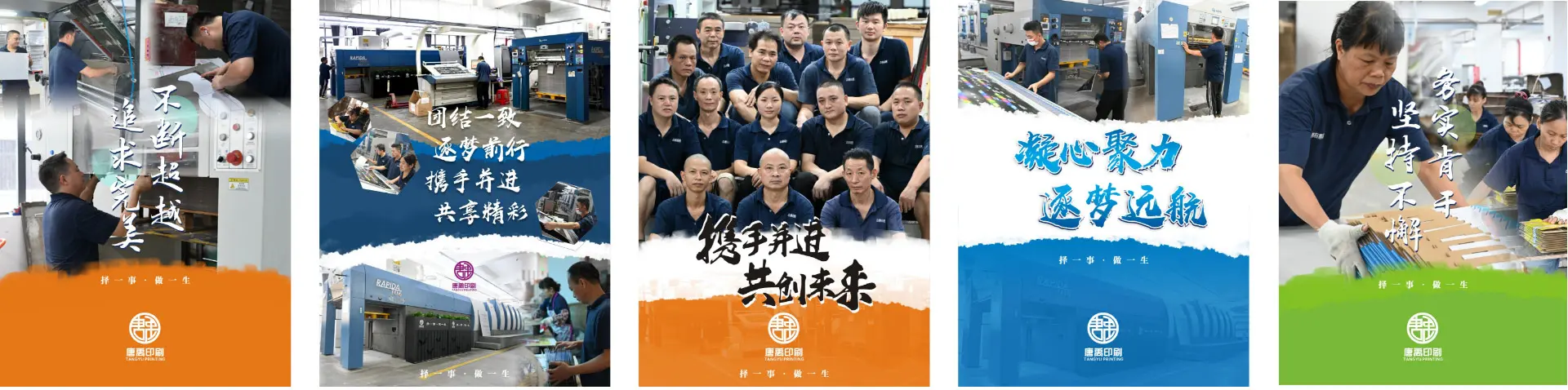
Established in 2009, Doton is an industrial packaging manufacturer providing design, high-volume production, and global export support.
Specialized packaging design and production services. Over 15 years of experience delivering tailored solutions to global markets.
Utilizes high-resolution KBA and Heidelberg offset presses to support crisp print detail and accurate brand color reproduction.
Utilizes FSC-certified papers, recycled fibers, and soy-based inks. Complies with EU environmental standards.
Small corrugated packaging is used across a variety of commercial and industrial sectors, each with unique requirements for material characteristics, printing, and regulatory compliance.
High-throughput fulfillment facilities use self-sealing adhesive strips and tear-open features to streamline packing and returns. Durable materials resist crushing during handling, protecting consumer goods.
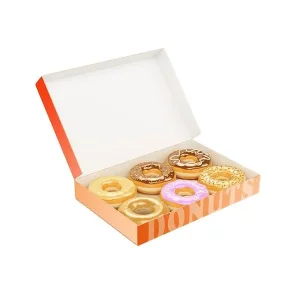
FDA and EU Regulation (EC) No 1935/2004 compliance is critical. We supply grease-resistant, virgin-fiber barrier boards that prevent oil migration in pastry, chocolate, and direct-contact food packaging.
Precision electronics require anti-static (ESD) protection. We customize micro-flute boxes with static-dissipative liners and custom shock-absorbing inserts to protect sensitive devices.
Zhuhai Doton Printing offers comprehensive packaging design and manufacturing capabilities, delivering quality and consistency for international distribution.
Review our compilation of frequently asked questions and costing criteria to support your procurement planning.
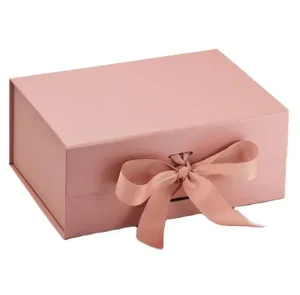
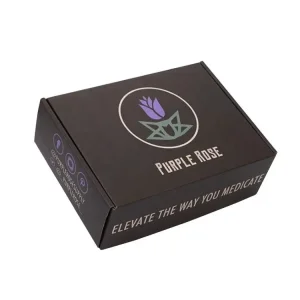
Explore our selection of specialty gift, food-contact, and magnetic structural boxes manufactured under strict quality control standards.


 Doton Printing