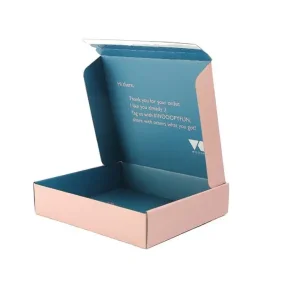
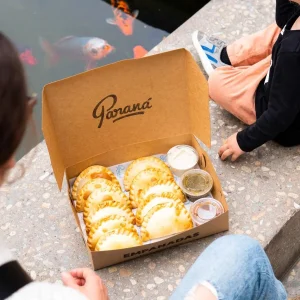
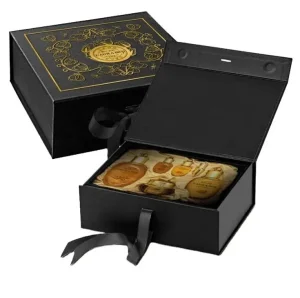
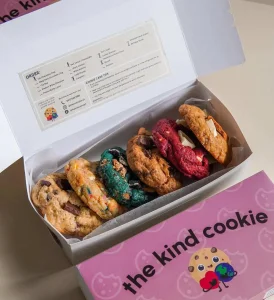
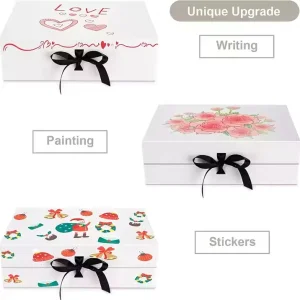
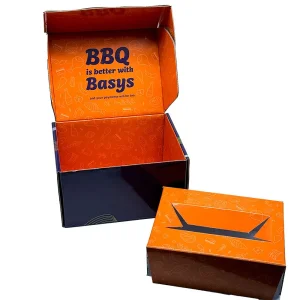
Direct-from-factory high-performance structural configurations designed for automatic processing, cold chain dispatch, and premium display.
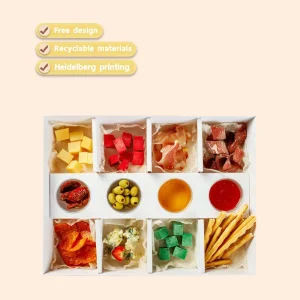
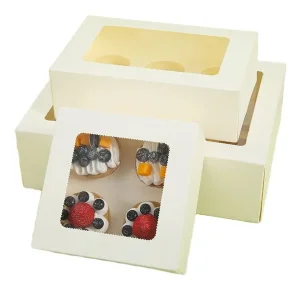
Deep-dive research on modern folding dynamics, eco-efficiency, structural paper engineering, and automated line adaptation.
In the competitive landscape of industrial baking and international food retail, packaging is no longer viewed merely as a container, but as a critical component of supply chain velocity. Global procurement directors for multi-site bakeries, supermarket bakery departments, and food delivery networks face a persistent challenge: optimizing the throughput of packaging assembly lines. The demand for cheap auto-popup baking boxes has surged dramatically. This shift is driven by the necessity of minimizing assembly time at packaging stations and standardizing protective enclosures for delicate pastries, cookies, bread, donuts, and muffins.
Procurement strategy has evolved from simple unit cost analysis to Total Cost of Ownership (TCO) assessments. Standard folding cartons require manual pre-creasing and tab locking, which represents a significant labor overhead when scaled to millions of units. By implementing auto-popup designs, pre-glued joints allow the box to snap into shape instantly when opened. This structural innovation translates to a labor-time savings of up to 75% per packaging station. Furthermore, shipping volumes are optimized because auto-popup boxes ship flat, maximizing container space and reducing inbound freight expenditures.
"By implementing auto-popup structural configurations, international franchise bakery brands report a reduction in packaging queue bottle-necks by 62%, simultaneously lowering training costs for temporary seasonal staff."
Quantitative packaging metrics demonstrate the shifting trends of food-safe container applications. Global regulations regarding plastics are accelerating the adoption of fiber-based boards.
High-performance folding boxes rely on detailed material selection. Depending on the product line (from heavy bread loaves to delicate puff pastries), our engineering division selects matching GSM weights and structural compositions.
| Food Application | Recommended Cardboard Material | GSM Range | Barrier Coatings | Standard Structural Layout |
|---|---|---|---|---|
| Cookies & Macarons | Premium Solid Bleached Sulfate (SBS) | 300 - 350 GSM | Aqueous Matte Dispersion | Auto-popup with PET/PLA Window |
| Puff Pastry & Pies | Folding Boxboard (FBB) / Kraft Back | 320 - 400 GSM | Greaseproof Coating (PFAS-Free) | Single Piece Auto-locking Base |
| Donuts & Muffins | Unbleached Kraft Paperboard | 280 - 350 GSM | Soy-lecithin Bio-barrier | 6-Point Glued Crash-lock Base |
| Artisan Bread & Loaves | Micro-Flute Corrugated (E/F Flute) | 120-150 ECT | High Humidity Moisture Vapor Barrier | Ventilated Auto-locking Mailer Style |
Leveraging high-end European print engineering, integrated pre-press software, and automated post-press processing lines.

Established in 2009, Zhuhai Doton Printing stands as an industry-leading, highly professional paper packaging manufacturer in China. We specialize in custom paper boxes, corrugated boxes, rigid gift packaging, and premium shopping bags. Our high-performance packaging solutions are widely utilized in food production, wineries, cosmetics, jewelry retail, toy manufacturing, and the luxury garment industry.
The driving force behind Doton's success in global markets is our focus on material research, structural development, and strict adherence to food safety guidelines. We utilize FSC-certified paper, recycled content, eco-friendly soy inks, and advanced direct-to-plate Computer-to-Plate (CTP) systems to achieve superior print resolution.
By integrating advanced German KBA offset printing presses, we meet the rigorous visual and structural standards required by international brands.
With an operational capacity exceeding 1,000,000 premium boxes per month, our facility is equipped with automated post-press equipment. Our production line includes high-speed film laminating machines, precision foil stamping machines, automated die-cutters, and high-speed box pasting equipment. These automated lines ensure consistent glue application and folding accuracy, minimizing structural variations in our auto-popup designs.
Our facility provides a single-point solution for brands seeking consistent quality, high-volume scalability, and structural integrity.
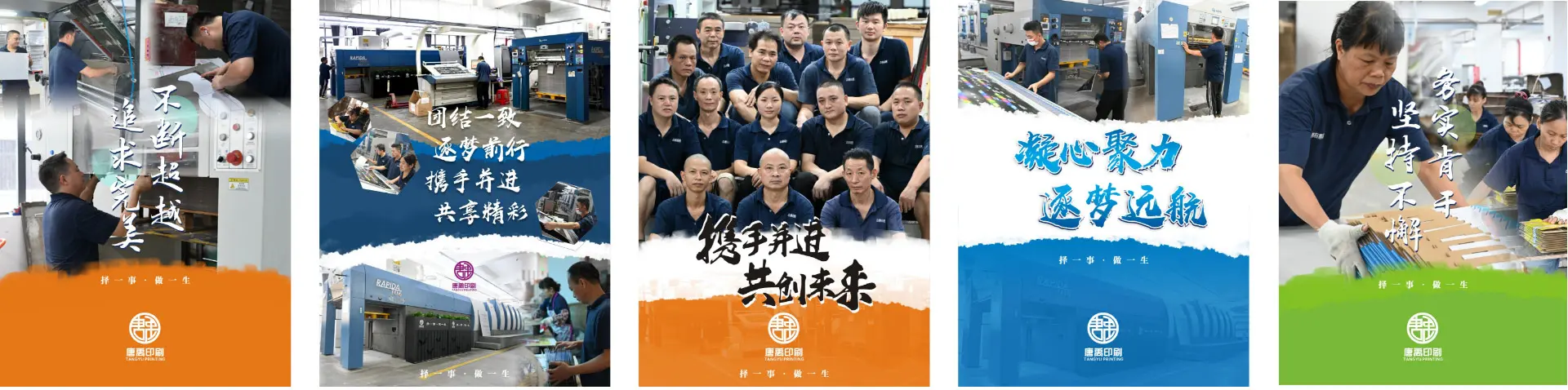
Why international food brands and logistics companies partner with us for bulk supply contracts.
Our deep experience in structural cardboard design allows us to rapidly prototype packaging concepts that balance mechanical strength with material efficiency.
High-resolution offset print systems maintain corporate color consistency across production batches, utilizing eco-friendly, food-grade soy inks.
We optimize box dimensions for global palletization standards (Euro-pallets and US pallets), minimizing air space and lowering international shipping rates.
The future of commercial bakery packaging is defined by structural circularity, biological safety, and smart logistics integration. Our design lab focuses on three primary developments:
A. Eliminating Synthetic Plastics (Zero-Plastic Window Innovations): Traditional baking boxes use PET or PVC films for product display windows. These plastics complicate the recycling process. We are developing highly transparent, biodegradable cellulose-based films derived from wood pulp. These films offer equivalent clarity and fog-resistance when packed with warm baked goods, yet dissolve in standard composting streams.
B. Water-Based Dispersion Grease Barriers: Traditional plastic-based PE and PFAS chemical grease barriers are being phased out globally. We utilize advanced water-based polymer dispersions applied in-line during the coating phase. This provides high resistance to oils and fats while remaining recyclable and repulpable.
C. Smart Packaging (QR Codes and NFC Integrations): As consumer demand for transparency grows, our high-speed offset printing presses incorporate variable data printing (VDP). This allows unique QR codes to be printed on each box, providing consumers with ingredient sourcing history, carbon footprint calculations, and batch-level quality validation.
Exporting food packaging requires strict compliance with varying regional standards. Our materials and manufacturing processes are regularly audited to ensure compliance with the following frameworks:
FDA Regulation 21 CFR (United States): All SBS and Kraft paperboards intended for direct food contact meet the requirements of 21 CFR. Our coatings, inks, and adhesives are non-toxic, odorless, and verified safe for bakery distribution.
EU Regulation (EC) No 1935/2004: Our paperboards comply with European standards for materials intended to come into contact with food. This ensures no chemical migration occurs under high-humidity or warm-temperature storage conditions.
FSC Chain-of-Custody (FSC-C123456): We offer 100% certified paperboard options. This enables our clients to trace their packaging back to responsibly managed forests, supporting corporate ESG metrics.
Clear answers regarding materials, customization options, supply capacities, and ordering processes.
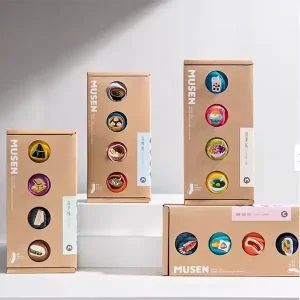
Advanced industrial designs optimized for catering, takeaway applications, and luxury gifting markets.
 Doton Printing