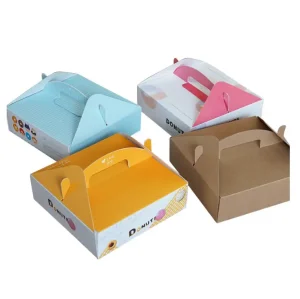
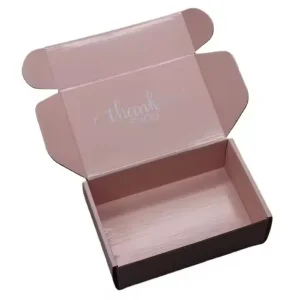
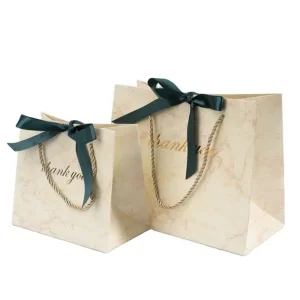
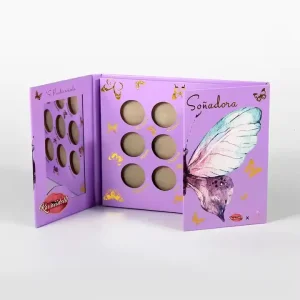
Cheap Cardboard Corrugated Box Manufacturers & Factories

Direct B2B Manufacturing, Global Logistic Integration, and Heavy-Duty Structural Customization with Unparalleled Packaging Efficiency.

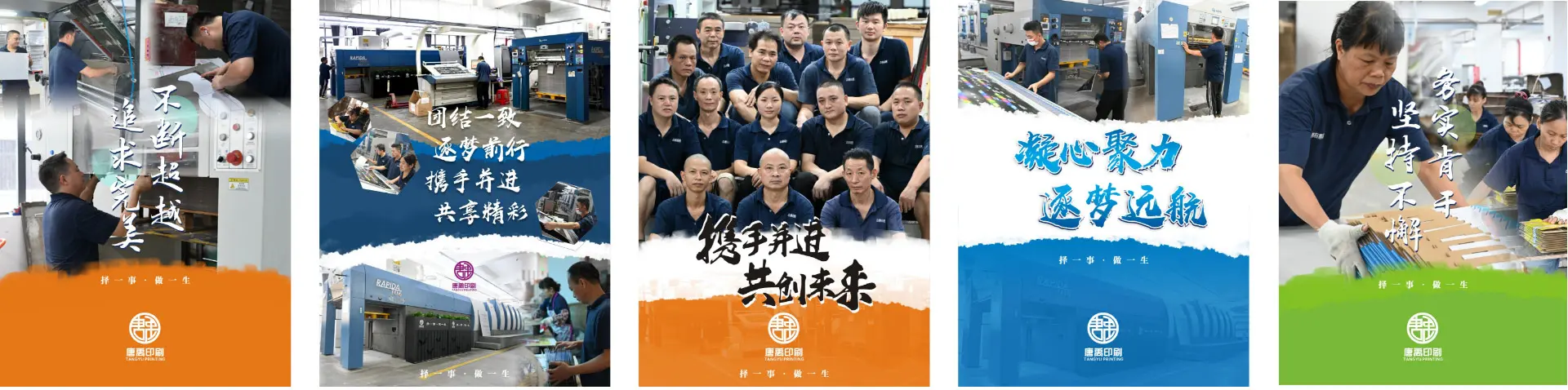
Zhuhai Doton Printing Production Facility

Company Profile & Manufacturing Excellence

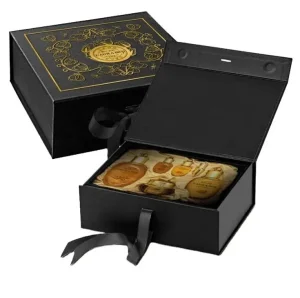
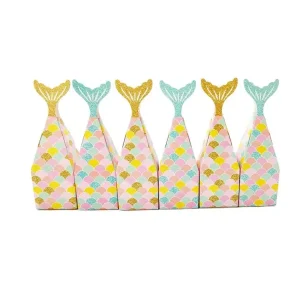
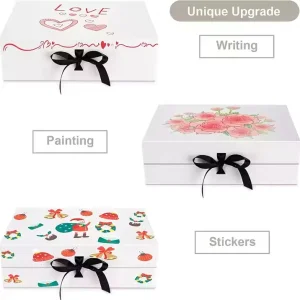
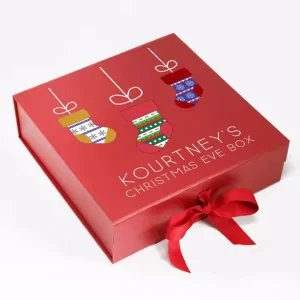
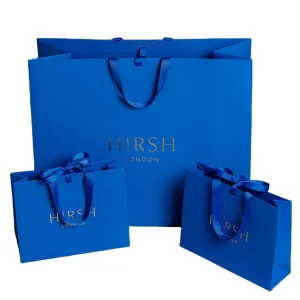
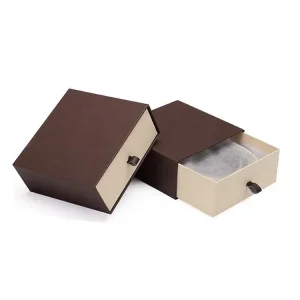
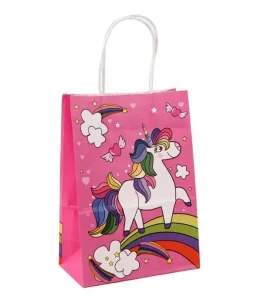
Established in 2009, Zhuhai Doton Printing has grown to become a leading, highly specialized professional packaging manufacturer in China. We supply custom paper boxes, corrugated cartons, luxury rigid gift boxes, and eco-friendly shopping bags across global industries. Our output satisfies requirements within the cosmetics, gourmet foods, luxury wines, high-end electronics, toys, and retail fashion sectors.

The foundation of Doton's market success lies in our continuous investment in materials science, structural research, and state-of-the-art prepress technologies. Operating out of our fully optimized facilities, we deploy direct-to-plate Computer-to-Plate (CTP) prepress systems, ensuring artwork translation matches color layouts precisely.

Current capacity exceeds 1,000,000 custom structural boxes monthly, supported by automated offset lithographic & finishing machinery.

Core Competencies & Technology

How our manufacturing lines deliver low-cost corrugated boxes with high structural integrity.

15+ Years Industrial Design

Extensive structure & print prototyping expertise. We rapidly model carton dimensions to match strict volume and drop-test standards.

Advanced Press Lines

Equipped with KBA and Heidelberg offset presses to deliver high-resolution graphics, crisp typography, and unmatched CMYK brand matching.

Strict Certification

Utilizes certified FSC-compliant paperboard, eco-friendly soy inks, and solvent-free laminates to meet standard export declarations.

17+
Years Printing Exp
1M+
Monthly Boxes
100%
FSC / Recycled Optional
< 48h
Rapid Prototyping

1. Global Corrugated Box Industry Dynamics & Cost Pressures

In the modern commercial landscape, corrugated fiberboard remains the backbone of global logistics, warehousing, and product distribution. However, purchasing departments face a continuous challenge: balancing the demand for "cheap" corrugated box procurement with the structural demands of international shipping. Simply minimizing paper weight often leads to structural failure, product damage, and increased return rates, negating initial cost savings.

Advanced packaging manufacturers solve this challenge through structural optimization rather than material reduction. Utilizing multi-wall combinations (A, B, C, E, and F flute profiles) and optimized basis weights, engineers can maintain or exceed edge crush test (ECT) performance while using lighter, more economical paper grades. This intersection of science and scaling allows high-performance corrugated packaging to remain affordable for businesses worldwide.

2. China's Supply Chain Ecosystem & Cost-Optimization Strategies

Zhuhai Doton Printing's facility in the Guangdong-Hong Kong-Macao Greater Bay Area (GBA) highlights China's manufacturing efficiencies. The localized concentration of raw material processors, logistics hubs, and specialized equipment manufacturers creates significant cost-savings that are passed directly to our clients.

This ecosystem operates on five key efficiency principles:

  • Consolidated Raw Material Sourcing: Direct supply agreements with regional paper mills ensure stable pricing for kraft linerboard and corrugated medium, protecting buyers from sudden raw material price hikes.
  • Advanced Automation: High-speed inline flexo folder-gluers, automatic die-cutters, and high-precision Heidelberg offset printing presses reduce manual assembly errors and lower per-unit labor costs.
  • Direct CTP Prepress Integration: Digital computer-to-plate workflows minimize processing times, allowing graphics files to go directly from approval to the printing press in hours.
  • Logistical Consolidation: Proximity to major deep-water ports (Shenzhen, Guangzhou, Hong Kong) allows for consolidated shipping, reducing export logistics overhead.
  • Energy-Efficient Infrastructure: Modern machinery designs lower energy consumption per unit run, minimizing environmental impact while supporting sustainable production practices.

Automated Finishing Lines

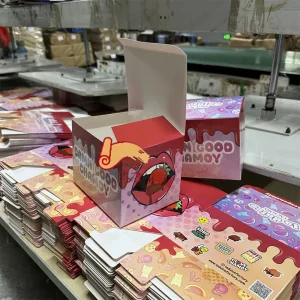
Once sheets are printed via KBA offset or high-speed flexo, they enter our automated finishing lines. Doton utilizes automatic hot-stamping, film lamination, precision window-patching, and high-speed folder-gluers.

By automating the mounting and pasting phases, we achieve uniform glue application, straight fold alignments, and clean edges on every batch. This consistency is essential for cosmetic cartons, rigid perfume boxes, and food containers, where retail appeal relies on exact alignment.
Doton Automated Post-Press Equipment

3. Flute Profiles, Material Selections & Structural Engineering

Selecting the appropriate flute profile is critical when designing a cost-effective corrugated box. The flute structure provides the stacking strength and cushioning resistance required for different shipping environments:

  • A-Flute (~4.8mm thickness): Provides maximum top-to-bottom compression strength. Ideal for heavy-duty industrial items where stacking strength is the primary safety factor.
  • B-Flute (~3.2mm thickness): Offers excellent puncture resistance and flat crush performance. Ideal for inner box dividers, retail displays, and standard mailers.
  • C-Flute (~4.0mm thickness): The most common flute profile for transit shipping boxes. Offers balanced stacking strength and cushioning properties.
  • E-Flute (~1.6mm thickness): Excellent for high-resolution graphics printing. The dense wave structure provides a smooth printing surface, making it the standard choice for consumer electronics, cosmetics boxes, and gourmet food packaging.
  • BC Double-Wall (~7.2mm combined): Combines B and C flutes to handle heavy loads, providing maximum protection for long-distance transport and export goods.

4. Regional Applications & Market Intent Analysis

Corrugated packaging must meet specific regional safety standards, commercial requirements, and consumer expectations. Key regional demands include:

  • North America & Europe: Strong emphasis on FSC chain-of-custody documentation, heavy metal testing limits (CONEG compliance), and plastic replacement designs. Focus is on shipping boxes that are 100% recyclable in standard curbside streams.
  • Middle East & Asia-Pacific: High demand for premium finish treatments, such as metallic hot-foil stamping on food and luxury gift packaging. This includes specialized packaging for Arabic perfumes, gourmet foods, and boutique retail.
  • Global E-commerce Sector: Driven by the need to minimize shipping weights and prevent damage. Standard solutions include self-sealing adhesive tear-strip mailers, which eliminate plastic tape and improve the unboxing experience.

Technological Roadmap & Future Outlook

How Zhuhai Doton Printing is adapting to emerging global packaging standards through green tech and manufacturing upgrades.

Phase 1: Water-Based Coating & Bio-Ink Integration

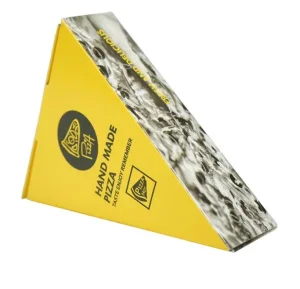
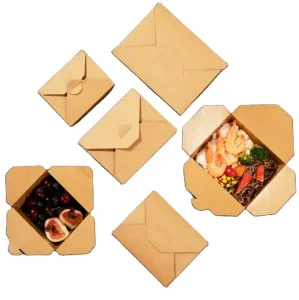
Replacing traditional plastics with food-safe water-based barrier coatings and soy-based inks. This ensures that takeaway boxes and pizza cone cartons remain 100% compostable and biodegradable in standard municipal systems.

Phase 2: Structural Optimization & Weight Reduction

Using advanced 3D FEA (Finite Element Analysis) software to simulate shipping stressors. This allows us to optimize flute structures and paper weight combinations, reducing material usage by up to 15% while maintaining stacking strength.

Phase 3: Automated Quality Control with Optical Recognition

Deploying camera-based inspection systems on folder-gluers and die-cutters to monitor glue application, print alignment, and dimensions in real time, aiming for zero-defect production runs.

International Testing & Quality Standards

Every packaging batch manufactured at Zhuhai Doton Printing undergoes strict physical and chemical testing to ensure performance under real-world transport conditions:

  • Edge Crush Test (ECT): Measures the top-to-bottom compression strength of the corrugated structure, ensuring safety margins during palletized stacking.
  • Bursting Strength (Mullen Test): Evaluates the force required to rupture the paper board, indicating how well the box protects contents from external forces.
  • Drop Testing (ISTA 3A): Simulates the shocks and vibrations of parcel delivery, verifying that the combination of box structure and custom inserts protects fragile items like cosmetics and perfume bottles.
  • Cobb Moisture Absorption: Measures the water absorption rate of the outer liners over time, helping to prevent structural softening in high-humidity shipping environments.

Material Commitments

We work with certified raw materials to meet global market import requirements:

FSC-Certified Substrates: Sourced from responsibly managed forests.
FDA & CE Compliance: Safe for direct or indirect food contact applications.
Soy-Based Inks: Low-VOC formulations that reduce environmental impact during printing.

Frequently Asked Questions

Answers to common structural design, logistics, custom formatting, and bulk ordering inquiries.
What factors determine the pricing of custom corrugated boxes?
Pricing is determined by five primary factors: paperboard weight and grade (virgin kraft vs. recycled medium), box dimensions (which dictate material consumption), structural style (e.g., RSC, die-cut mailer, or tuck-top), printing method (high-resolution offset lithography vs. flexo), and the overall order volume. Increasing order volume significantly lowers the per-unit cost by distributing initial machinery setup and die-cutting plate fees across a larger run.
How does Doton ensure consistent dimensional accuracy on large packaging runs?
We use digital CTP (Computer-to-Plate) systems to transfer approved layout files directly to physical plates. Additionally, our automated, high-precision die-cutters and folder-gluers maintain consistent dimensional tolerances of within ±0.5mm, ensuring that even complex folding styles line up correctly during assembly.
What certifications do your food delivery and packaging boxes hold?
Our food-grade packaging materials hold CE certifications and comply with FDA regulations for direct food contact. We use food-grade kraft paperboard, grease-resistant barriers, and non-toxic soy-based inks to ensure that takeaway boxes, pastry boxes, and food trays remain safe for consumers.
What is the typical turnaround time for custom prototyping and bulk production?
Digital structure files and unprinted samples can be prepared in 2 to 3 days. Once the sample and design files are approved, mass production typically takes 10 to 15 days, depending on the complexity of the finish (e.g., custom window patching, foil stamping, or lamination) and the current production schedule.
Do you offer eco-friendly and plastic-free packaging options?
Yes. We offer options made from FSC-certified paper, recycled content, and post-consumer waste. For food and cosmetics packaging, we can replace traditional plastic window films and plastic-based barrier coatings with biodegradable, plant-based materials and water-based coatings to ensure the final product is fully recyclable.