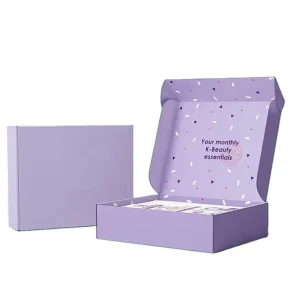
In the contemporary landscape of global logistics, retail, and industrial manufacturing, corrugated packaging serves as the backbone of physical trade. Accounting for over 80% of all secondary and tertiary packaging materials globally, the corrugated box is not merely a transport utility but a highly engineered, customizable containment solution. Driven by the explosive growth of global e-commerce, D2C (direct-to-consumer) logistics networks, and strict structural environmental mandates across North America, the European Union, and the Asia-Pacific region, the demand for corrugated medium and linerboard has scaled exponentially.
Historically, corporate sourcing strategies categorized corrugated packaging as a low-margin commodity. However, under the pressure of escalating maritime freight rates, material scarcity, and green transition initiatives (such as plastic substitution laws), global enterprises are forced to re-examine the economics of their packaging portfolios. Seeking a "cheap corrugated packaging supplier" is no longer just about driving unit prices down; it is a complex balancing act of raw material optimization, weight reduction (lightweighting), structural integrity (such as edge crush tests), and manufacturing efficiency.
Reducing GSM (grams per square meter) of paper liners while keeping physical resistance ratings high, optimizing structural cost per unit.
Utilizing high-speed automated corrugators and folder-gluers to drastically lower setup costs for high-volume corporate contracts.
Transitioning from virgin wood pulp to high-percentage post-consumer recycled (PCR) materials to fulfill regional ESG criteria.
Understanding a manufacturer’s pricelist requires deep knowledge of the mechanical and operational factors that govern paper converting. For global procurement officers, looking at a quote without analyzing the base components often leads to sub-optimal decisions—either paying for over-engineered boxes or experiencing high rates of in-transit structural collapses. The final unit price of corrugated packaging is dictated by five primary components:
By partnering directly with an integrated manufacturer that handles everything from CTP (computer-to-plate) setups to automated post-press die-cutting, sourcing divisions can eliminate middle-man markups and reduce unit costs by 15% to 30%.
Why do global brands consistently source their custom packaging requirements from South China, specifically Zhuhai Doton Printing? The answer lies in the unparalleled clustering of the industrial supply chain, advanced process automation, and stable workforce demographics.
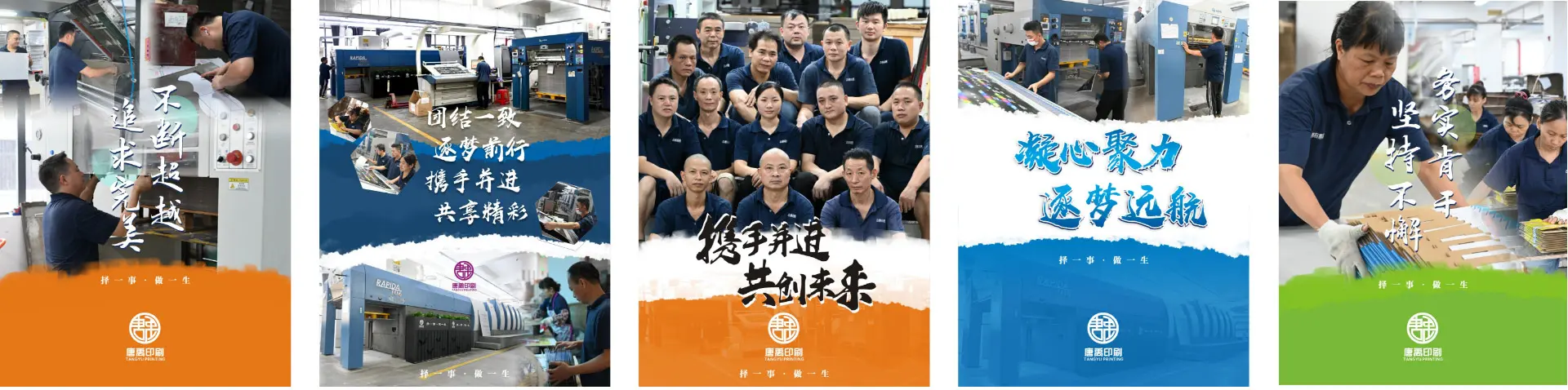
Established in 2009, Zhuhai Doton Printing has built an integrated operational infrastructure that transforms raw paper pulp into high-performance packaging. The factory's core advantage lies in its investment in high-end machinery. By replacing manual workflows with advanced CTP (Computer-to-Plate) technology, direct printing plates are outputted from design files in minutes. This drastically reduces setup times and eliminates alignment errors.
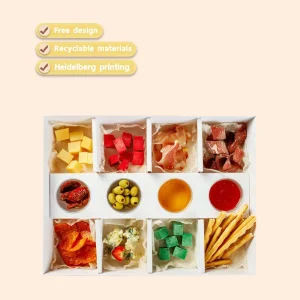
Printing quality is maintained through a fleet of high-precision machines, including brand new KBA offset printing machines and top-tier Heidelberg offset presses. For global clients requiring high-fidelity color matching (such as luxury lingerie boxes, custom jewelry paper bags, or food containers), offset printing ensures sharp graphics, consistent gradients, and exact color replication across large production runs.
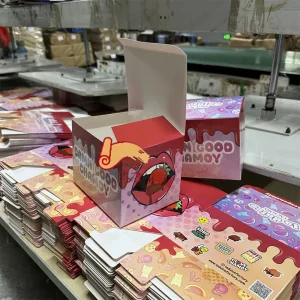
Following the printing phase, automation continues with fully automated post-press equipment: film laminating machines, foil stamping units, die-cutters, and paper mounting machines. With a production capacity exceeding one million boxes per month, Doton has optimized the cost-per-unit, making even premium structural packaging highly competitive for export.

Packaging is not a one-size-fits-all product. Different sectors demand unique physical characteristics. Doton's specialized packaging solutions cover various industrial and consumer applications:
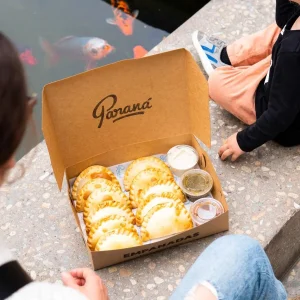
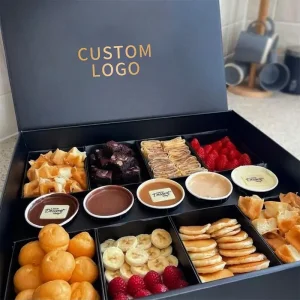
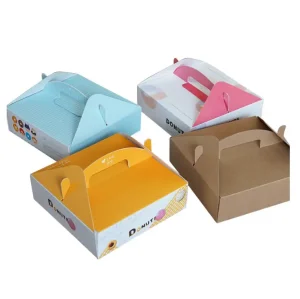
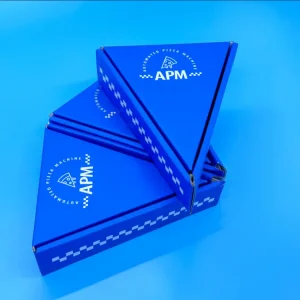
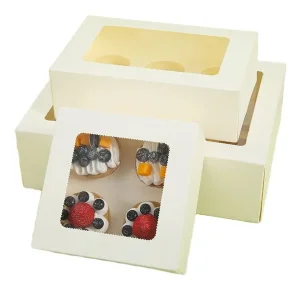
For items like pizza slice boxes, sushi bento trays, and afternoon tea catering boxes, greaseproof materials and food-grade barriers are essential. Using FDA-compliant, soy-based inks prevents chemical migration and preserves food flavors.
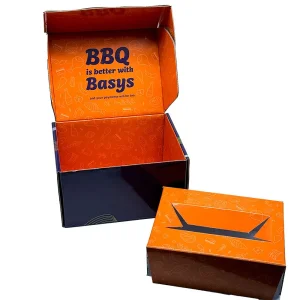
Custom kraft mailers for apparel, socks, and consumer goods require secure seals and durable flute structures to survive high-speed sorting and courier handling without denting or crushing.
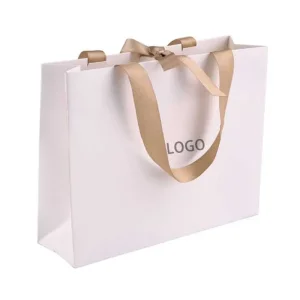
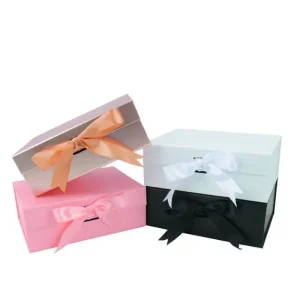
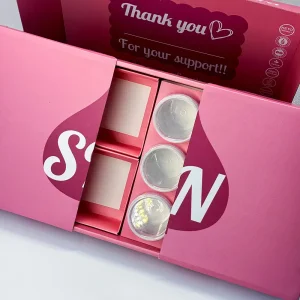
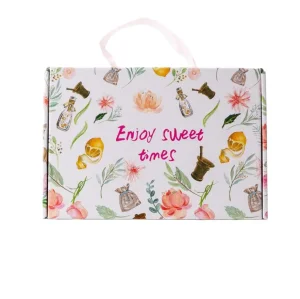
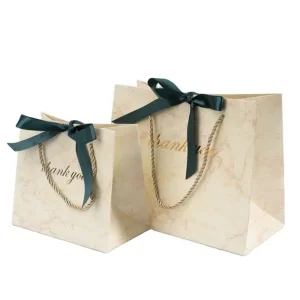
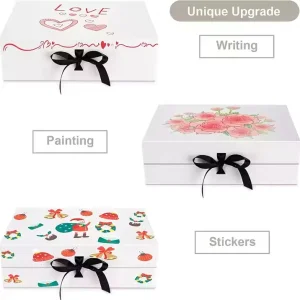
Products like rigid magnetic gift boxes, jewelry bags, and perfume cartons rely on heavy-gauge paperboard wrapped in premium liners. Embellishments like hot foil stamping, spot UV coatings, and matte lamination enhance the unboxing experience.
Global regulatory frameworks are tightening, making environmental compliance essential for retail packaging. For instance, the EU Packaging and Packaging Waste Regulation (PPWR) and US state-level EPR (Extended Producer Responsibility) schemes penalize non-recyclable or over-packaged items.
Zhuhai Doton Printing helps clients navigate these regulations. Our materials and processes adhere to strict international standards:
Purchasing packaging internationally requires careful planning around lead times, unit pricing breaks, and shipping volumes. Standard industry lead times for custom-printed boxes average 10 to 15 working days once structural proofs are approved. Shipping volumes also play a key role; because flat-packed cardboard is dense but bulky, freight costs can quickly affect margins. Sourcing in Full Container Load (FCL) shipments rather than Less than Container Load (LCL) helps keep unit transport costs low, protecting the savings gained from direct factory pricing.

 Doton Printing