Cheap Recycled Paper Bags Manufacturers & Factories

Direct B2B Procurement, Eco-Friendly Custom Packaging, and Global Supply Chain Solutions for Enterprise Scale.

Industry Intelligence Report

The Strategic Landscape of Sustainable Packaging & Cost-Efficient Sourcing

In the contemporary global retail and e-commerce ecosystem, sourcing cheap recycled paper bags is no longer merely a cost-reduction tactic. It represents a vital component of structural risk management, compliance with international decarbonization mandates, and direct brand equity positioning. For procurement executives, corporate buyers, and global supply chain directors, partnering with the right Chinese paper bag factories requires balancing economic feasibility with rigorous engineering standards.

Understanding the microeconomics of paper packaging involves dissecting the raw materials, processing technologies, and automated systems that enable high-volume output at reduced margins. As global regulations like the European Union's Single-Use Plastics Directive and municipal plastic bans in North America reshape packaging requirements, the demand for high-strength, low-cost recycled kraft paper has accelerated exponentially.

1. The Shift to Recycled Materials: Environmental Auditing & Circularity

Consumer sentiment has shifted decisively toward circular economies. The utilization of Post-Consumer Waste (PCW) and Post-Industrial Waste (PIW) in the manufacture of paper carriers has set new benchmarks for environmental viability. However, processing recycled pulp poses unique technical challenges. The degradation of cellulose fiber length during repeated recycling cycles naturally affects the tensile strength and tearing resistance of the finished paper. To counteract this, modern manufacturers implement advanced starch spraying, enzymatic treatments, and the structural integration of long-fiber virgin kraft blends in low ratios.

This scientific approach ensures that even paper bags crafted from 100% recycled fibers maintain an optimal bursting factor and loading capacity. Leading factories employ continuous quality monitoring loops to evaluate GSM (Grams per Square Meter), thickness consistency, and internal bond strength before production commences.

2. Unveiling the Cost Structure: How Chinese Factories Achieve Economies of Scale

When buyers search for "cheap" manufacturing, the term should denote high-efficiency production rather than subpar material quality. Chinese manufacturers achieve unparalleled cost advantages through three main vectors:

  • Industrial Clustering: Located in major manufacturing hubs such as Zhuhai, Guangdong, factories benefit from immediate proximity to container ports, raw material suppliers, chemical auxiliary plants, and specialized tooling workshops. This proximity minimizes inland freight costs and lead times.
  • High-Speed Automation: Transitioning from semi-manual assembly to fully integrated, web-fed automatic paper bag-making machines drastically reduces labor overheads. State-of-the-art machinery prints, folds, glues, punches, and prepares handles in a single continuous process at rates exceeding 200 bags per minute.
  • Raw Material Hedging: Large-scale mills and printing houses purchase recycled pulp rolls in high tonnages, shielding their corporate clients from spot-price fluctuations in the international paper market.
15+
Years Packaging Engineering
1,000,000+
Monthly Box & Bag Output
100%
FSC Recycled Materials
0%
Heavy Metal Soy-Based Inks
Factory Floor Profile

Zhuhai Doton Printing: Standardizing Industrial Quality Since 2009

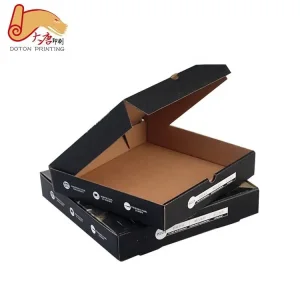
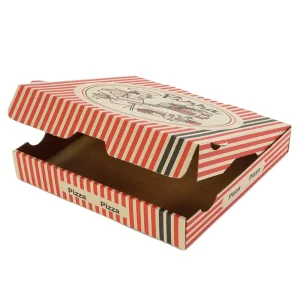
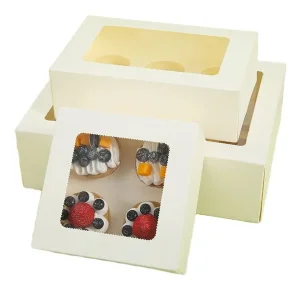
Established in 2009, Zhuhai Doton Printing stands as one of the leading and highly professional packaging manufacturers in China. Over the past 15 to 17 years, Doton has developed deep expertise across a comprehensive packaging spectrum, specializing in high-grade custom paper boxes, corrugated cartons, luxury magnetic boxes, and eco-friendly paper shopping bags. Our custom packaging products are trusted globally across diverse sectors, including gourmet food, wine, high-end cosmetics, fine jewelry, toys, and luxury garments.

The primary catalyst for our market leadership is a relentless focus on raw material integrity and technological research. We utilize FSC-certified paper, post-consumer recycled substrates, and eco-conscious soy-based inks. To guarantee high-resolution print reproduction and dimensional accuracy, Doton implements an advanced CTP (Computer-to-Plate) direct facility system, optimizing print setups directly from digital artwork files.

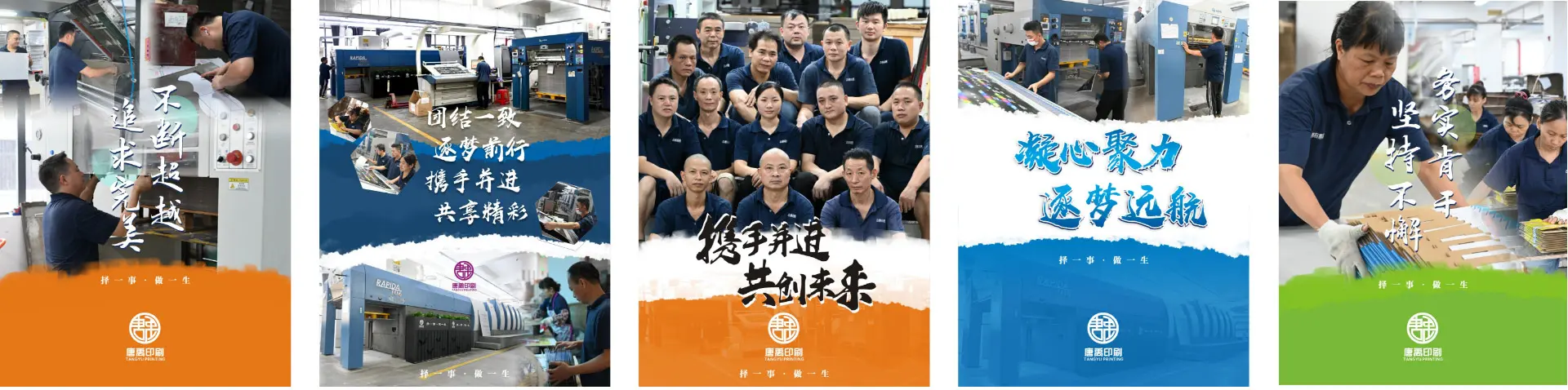
Equipped with brand-new, high-performance KBA offset printing machines, Doton reliably satisfies the most demanding color matching and registration tolerances. With a robust production capacity exceeding 1,000,000 units per month, we operate automated post-press lines including film laminators, foil-stamping systems, automatic die-cutters, paper-mounters, and box-folders.

Zhuhai Doton Printing Facility Operations

17 Years of Industry Expertise

Deep expertise in package structural design and high-volume offset lithography across regional and international standards.

Advanced German KBA & Heidelberg

Equipped with top-tier offset machinery for precise color matching, continuous ink-key control, and fast changeovers.

Rapid Prototyping & CAD Design

Fast physical sample turnarounds and digital CAD structural design to minimize product launch cycles.

Integrated Technical & Logistics

Complete handling of international custom clearances, door-to-door delivery, and container utilization planning.

Compliance & Market Dynamics

Navigating Compliance, Localized Regulations, & Supply Chain Strategy

Global Sourcing Imperatives: Compliance & Eco-Auditing

Enterprise procurement relies heavily on international compliance. Importing paper-based packaging into regions like North America or the EU requires manufacturers to document their supply chain trail. Zhuhai Doton Printing provides transparent certifications for all shipments, including:

  • Forest Stewardship Council (FSC): Verifies that wood fibers originate from responsibly managed forests or certified recycled sources.
  • CE Markings & EN 13432 Standards: Ensures compostability and ecotoxicity criteria are met for bio-friendly coatings.
  • Heavy Metal and Chemical Safety (REACH & FDA): Confirms that paper stocks, adhesives, and pigments contain no toxic residues, ensuring suitability for food contact and retail apparel.

Integrating localized compliance documents into our logistics framework prevents custom-clearance delays, saving costs for our international partners.
Advanced Post-Press Automation Equipment

The Mechanics of Automated Post-Printing

Once base paper rolls are printed, post-printing processes define the final durability and aesthetic properties of the bag. Automated operations at Doton include:

  • Precision Die-Cutting: Using high-tonnage automated presses to cleanly punch templates, eliminating frayed edges and structural micro-fractures.
  • Structural Reinforcement: Automatically gluing cardboard support patches onto both the handle zones and the base flaps, doubling the maximum load limits.
  • Automatic Handle Inserters: Using automated systems to affix paper-twisted, cotton-braid, or die-cut handles with high-tensile hot melt glues, preventing handle failure under stress.

Localized Applications: From Luxury Retail to Logistics Carriers

The versatility of cheap recycled paper bags allows them to serve various applications across major business channels:
  • High-End Fashion & Boutique Retail: High-weight kraft paper bags finished with foil stamping, spot UV, and elegant cotton handles offer a premium tactile experience without relying on plastic film lamination.
  • Quick-Service Restaurants (QSR) & Bakeries: Uncoated, grease-resistant, high-porosity recycled bags protect warm foods while keeping bread crusts crisp.
  • E-Commerce & Mail Fulfillment: High-density, gusseted kraft mailers featuring dual-peel-and-seal adhesive strips provide a lighter, durable alternative to plastic poly bags.
Technical FAQ

Deep Sourcing Q&A: Technical Specifications & Procurement

How does paper weight (GSM) impact load-bearing capacity?
GSM (Grams per Square Meter) measures the density and thickness of paper. For lightweight gift bags or pharmacy packaging, 70-90 GSM is standard. Medium retail and food carriers typically require 100-120 GSM. Heavy-duty utility bags use 130-150+ GSM. We reinforce critical points, such as the mouth fold and base, with cardboards to prevent tears.
What is the difference between brown kraft paper and white kraft paper?
Brown kraft paper uses unbleached wood pulp, maintaining maximum fiber length, tensile strength, and eco-friendly aesthetics. White kraft paper undergoes bleaching, which slightly reduces fiber strength but provides a clean canvas for bright, full-coverage graphics and precise branding.
Are soy-based inks durable enough for external shipping applications?
Yes. Soy-based inks deliver vibrant color saturation, deep blacks, and clean detail reproduction. When combined with infrared drying systems during our high-speed printing runs, these inks bond with the paper fibers, offering excellent resistance to smudging and rubbing.
What is the standard production and shipping lead time?
Standard prototype sampling takes 3 to 5 business days. Mass production ranges from 12 to 18 days depending on the structural complexity and quantity. Sea freight transit times range from 15 to 30 days depending on the destination port, and air cargo options are available for urgent product launches.
How does Doton handle custom tooling and plate setup charges?
For volume orders, plate costs and custom cutting die setup charges are absorbed into the unit price or waived. Our direct CTP (Computer-to-Plate) technology reduces setup times and overhead costs, saving on tooling expenses.