⚙️
Comprehensive B2B Procurement Guide for Brown Pizza Boxes from China
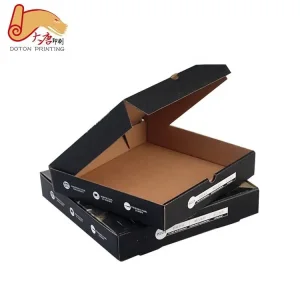
In the highly competitive food service and delivery industry, packaging is not just a container; it is a crucial component of food temperature retention, hygiene, branding, and eco-compliance. When sourcing China brown pizza boxes, global distributors, pizza chains, and catering procurement agents look for the best balance between price, raw material strength, and delivery speed.
Typically made from unbleached kraft paperboard, brown pizza boxes are preferred globally due to their organic look, high tensile strength, and lower carbon footprint compared to bleached white cartons. But navigating the complex web of factory structures, material grades, printing options, and pricing mechanisms is essential for maximizing ROI.
"Opting for direct-from-factory pricing from experienced Chinese manufacturers like Zhuhai Doton Printing allows businesses to eliminate middleman margins while customizing packaging structures to withstand steam ventilation and high moisture environments."
📦
E-Flute Corrugation
Provides excellent crush resistance, high thermal retention, and a smooth printing surface ideal for custom branding. Perfect for 6" to 14" pizzas.
📐
B-Flute Structural Strength
Slightly thicker (approx 3mm) fluting structure. Ideal for heavy deep-dish pizzas, family-sized formats, and multi-tier catering delivery boxes.
♻️
100% Biodegradable
Utilizing FSC-certified kraft linerboard with organic, non-toxic soy-based printing inks to satisfy rigorous environmental regulations globally.
💰
Pricing Architecture: Understanding Brown Pizza Box Quotes
The pricing of brown pizza boxes is calculated based on a system that considers multiple variables. To get an accurate quote, procurement officers must understand what factors drive production costs. Generally, a typical price quote from a China packaging supplier encompasses:
- Paperboard Grammage (GSM): Typical standard formats utilize 120-150 GSM kraft paper for inner/outer liners and 100-120 GSM fluting paper. Thicker papers yield higher rigidity but increase raw material costs.
- Printing Complexity: Flexographic printing (using water-based eco-inks) is cost-effective for high volumes. Offset printing (Heidelberg or KBA machines) is more expensive but delivers high-resolution imagery for luxury retail boxes.
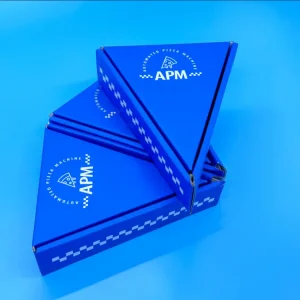
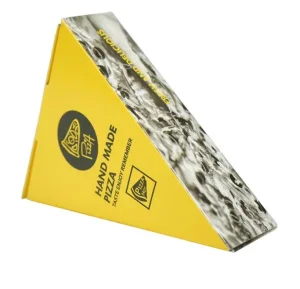
- Dimensions and Box Geometry: Traditional square boxes are cheapest, while octagonal boxes, pizza slice boxes, or auto-pop boxes incur custom die-cutting tooling fees.
- Order Volume (MOQ): High-volume automated runs (10,000+ units) significantly lower the unit cost due to setup optimization on automated folder-gluers.
| Box Size (Inches) |
Material Specs (Kraft Liner + Flute) |
Common Application |
Estimated MOQ (Units) |
FOB Price Range (USD/Unit) |
| 7" Box |
120g Kraft + E-Flute + 120g Testliner |
Personal Pizza / Pastry Takeout |
10,000 |
$0.06 - $0.12 |
| 9" Box |
125g Kraft + E-Flute + 125g Testliner |
Standard Small Pizza / Bakery Tray |
10,000 |
$0.08 - $0.16 |
| 12" Box |
135g Kraft + E/B-Flute + 135g Testliner |
Regular Medium Pizza Delivery |
5,000 |
$0.12 - $0.24 |
| 15" Box |
150g Kraft + B-Flute + 150g Testliner |
Large Deep Dish / Family Size |
5,000 |
$0.18 - $0.35 |
| Pizza Slice Box |
300g Kraft Paperboard (Single Layer) |
Single Slice Counter Takeaway |
15,000 |
$0.03 - $0.07 |
🏭
Why China Factory Supply Chains Dominate Packaging Manufacturing
China's dominance in the global paper packaging industry is sustained by integrated manufacturing clusters, massive capacity scales, and high industrial automation. Zhuhai Doton Printing, operating since 2009 in Guangdong, exemplifies the optimization and sophistication of this supply chain:
Advanced Technical Infrastructure
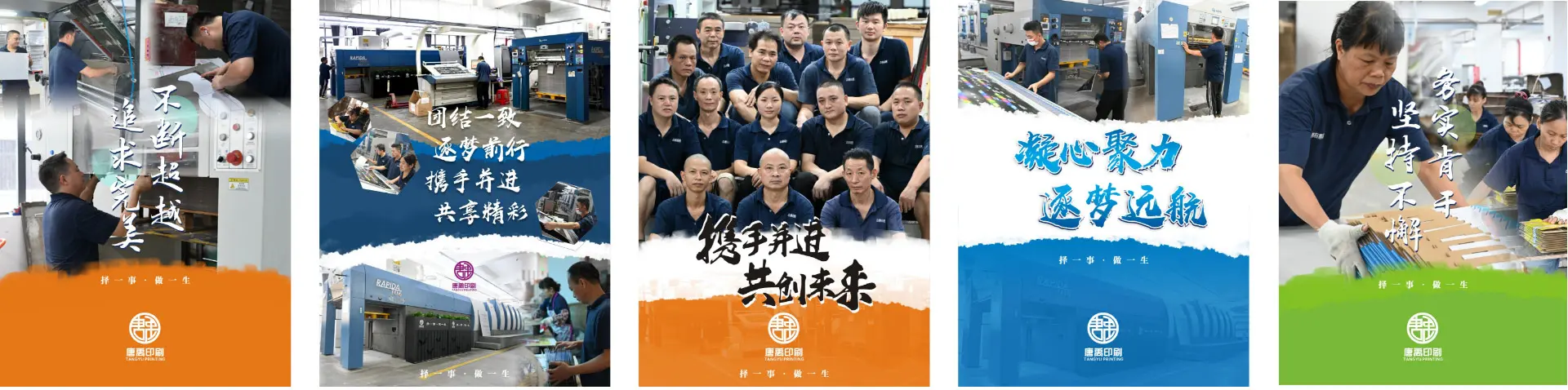
Unlike small workshops, established factories use computer-to-plate (CTP) facility systems that transfer artwork direct to digital plate-makers, reducing preparation times. High-speed German offset presses (KBA and Heidelberg) print crisp layouts at up to 16,000 sheets per hour. Heavy-duty inline laminating, foil stamping, auto die-cutting, and box pasting machines work together seamlessly to output over 1 million boxes monthly.
Material Innovation & FSC Compliance
Modern regulations demand eco-conscious sourcing. Leading factories guarantee FSC-certified paper, recycled materials, and soy-based, heavy-metal-free inks. This ensures that the pizza boxes comply with strict European and American import laws regarding food-contact packaging safety.
🌍
Global Compliance & Localization Support: Crucial for Packaging Importers
Sourcing packaging across international borders requires navigating regional compliance and import standards. Without these certifications, custom packaging runs the risk of customs seizures or regulatory fines:
- North America (FDA CFR Title 21): Regulates paper and paperboard in direct contact with aqueous and fatty foods. Boxes must be free of harmful chemical coatings or unacceptable recycle-agent residues.
- European Union (EC Regulation 1935/2004 & EN 13432): Outlines parameters for materials intended to come into contact with food. Also governs the recyclability and compostability standards.
- Global FSC Standard: Forest Stewardship Council certification proves the raw wood fiber was harvested sustainably from responsibly managed forests.
Direct manufacturer support includes providing trace materials reports, heavy metals analysis, and mechanical strength testing (Edge Crush Test - ECT, and Bursting Test) to verify the integrity of the packaging before shipping.
🍕
Beyond Fast Food: Localized Application Scenarios
While standard kraft boxes are predominantly associated with late-night pizza deliveries, local businesses are repurposing these versatile boxes in creative ways:
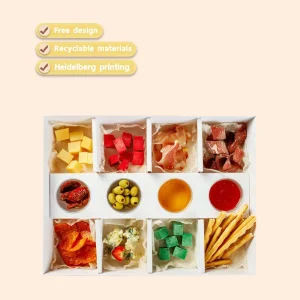
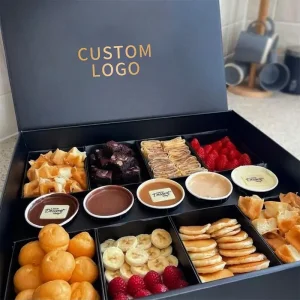
- B2B Gourmet Charcuterie & Afternoon Tea: Sturdy E-flute kraft trays are increasingly utilized for luxury afternoon tea takeout, catering assortments, and cheese picnic selections.
- Bento & Sushi Deliveries: Heavy-gauge brown paper structures combined with greaseproof linings prevent oil leakages, presenting sushi or Japanese bento platters in a natural, eco-conscious aesthetic.
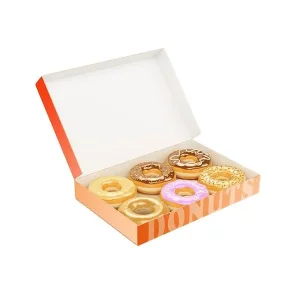
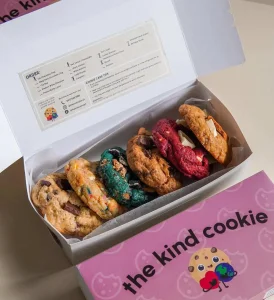
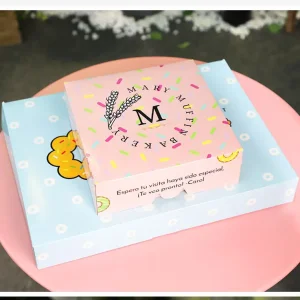
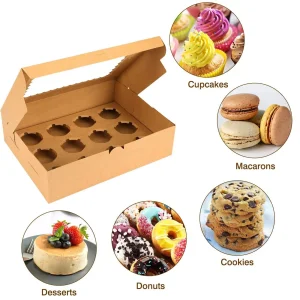
- Pastry, Donut, and Bakery Multi-Packs: Folding boxes designed with windows offer visibility to artisanal desserts while protecting delicate frostings.
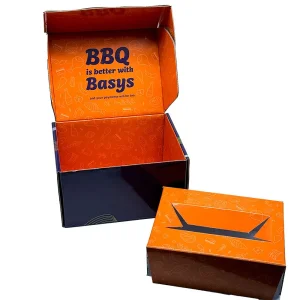
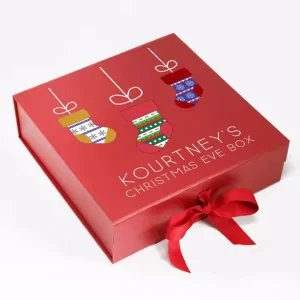
- Apparel & Lifestyle Gift Packaging: The rigid structure and rustic look of kraft mailers make them ideal for shipping clothing, organic skincare kits, and corporate gifting sets.
❓
Frequently Asked Questions (FAQ) - Direct Packaging Insights
What is the difference between Kraft linerboard and Testliner for brown pizza boxes?
Kraft liner is made from at least 80% virgin wood pulp fibers, offering high burst strength, excellent moisture resistance, and a premium print surface. Testliner is composed of recycled fibers, making it highly cost-effective but slightly less rigid and more susceptible to moisture absorbency.
How does the factory prevent grease leakage in brown kraft boxes?
To combat grease migration, factories apply either an internal food-grade, plant-based barrier coating (biodegradable aqueous dispersion) or utilize specialized, oil-resistant greaseproof paper inserts. This keeps the box structural integrity intact even for high-fat pizzas.
Can we request samples before committing to a full production run?
Yes. Leading factories provide digital CAD structural blank samples within 1–2 days. For printed mock-ups, offset or flexo physical pre-production samples are completed in 3–5 days, ensuring layout accuracy and perfect fitting before bulk tooling starts.
What is the standard production and shipping lead time for bulk orders?
Standard production takes 10 to 15 days from design approval, depending on order size. Shipping from main Chinese ports (e.g., Shenzhen, Guangzhou) to global destinations takes 15–20 days to US West Coast, 30–35 days to US East Coast, and 25–35 days to European ports.
Are these boxes flat-packed, and how does that affect logistics costs?
Yes, all pizza boxes are shipped flat-packed in high-density bundles wrapped with protective moisture-barrier film. Flat-packing drastically minimizes volume (CBM), maximizing container loading efficiency and reducing the cost per unit during sea freight.

 Doton Printing