GLOBAL PACKAGING REPORT

China Collapsible Cake Boxes Manufacturers & Factories

Evaluating structural engineering, supply chain integration, and dynamic industrial automation in the next generation of collapsible food-contact packaging.

The Strategic Shift to Collapsible Cake Box Systems

The global commercial confectionery and industrial baking landscape is undergoing a massive transformation. Driven by skyrocketing real estate storage rates, aggressive decarbonization goals, and the rising demand of the on-demand QSR (Quick Service Restaurant) economy, procurement managers are leaving traditional pre-assembled rigid boxes behind. Today's global market demands engineered folding mechanisms: the **Collapsible Cake Box**.

Collapsible cake packaging serves as a critical junction between industrial logistics and consumer branding. Historically, bakeries utilized pre-set, rigid cardboard containers. While structurally reliable, these solutions forced businesses to pay to transport and store empty space. In modern supply chains, shipping air is a major financial risk. By shipping flat-folded, custom-printed, high-density paperboard boxes, global buyers cut their inbound freight carbon footprint by up to 75% and maximize warehouse storage space by almost 400%.

"A container load of pre-formed rigid boxes carries up to 80% empty volume. Under a collapsible framework, the same volumetric capacity is filled with functional, dense, die-cut packaging material, yielding unprecedented shipping efficiency."

Global Procurement Requirements: What Enterprise Buyers Seek

Corporate procurement of food-grade packaging has evolved past basic unit cost analysis. Multi-national brands, industrial bakery franchises, and regional wholesalers prioritize multi-dimensional metrics to protect their margins and maintain regulatory compliance. Key parameters include:

  • Material Load-Bearing Thresholds: High-density folding boxboard (FBB) or micro-flute corrugated cardboard must hold multi-layered, decorated cakes weighing from 1kg to over 10kg without structural warping.
  • Rapid On-Site Erection Protocols: In high-throughput packaging environments, manual setup times are crucial. Custom-designed auto-popup systems reduce box erection time from 25 seconds down to under 3 seconds per unit, lowering labor costs at scale.
  • Certified Food Safety Cleanliness: Direct contact with pastries requires compliance with FDA (US Food and Drug Administration), EU EC 1935/2004, and FSC (Forest Stewardship Council) raw material requirements. Emulsified plastic barriers are being replaced by bio-derived, compostable moisture coatings.
Doton Packaging Factory Operations

China Factory 4.0: Supply Chain Resilience & Mechanical Automation

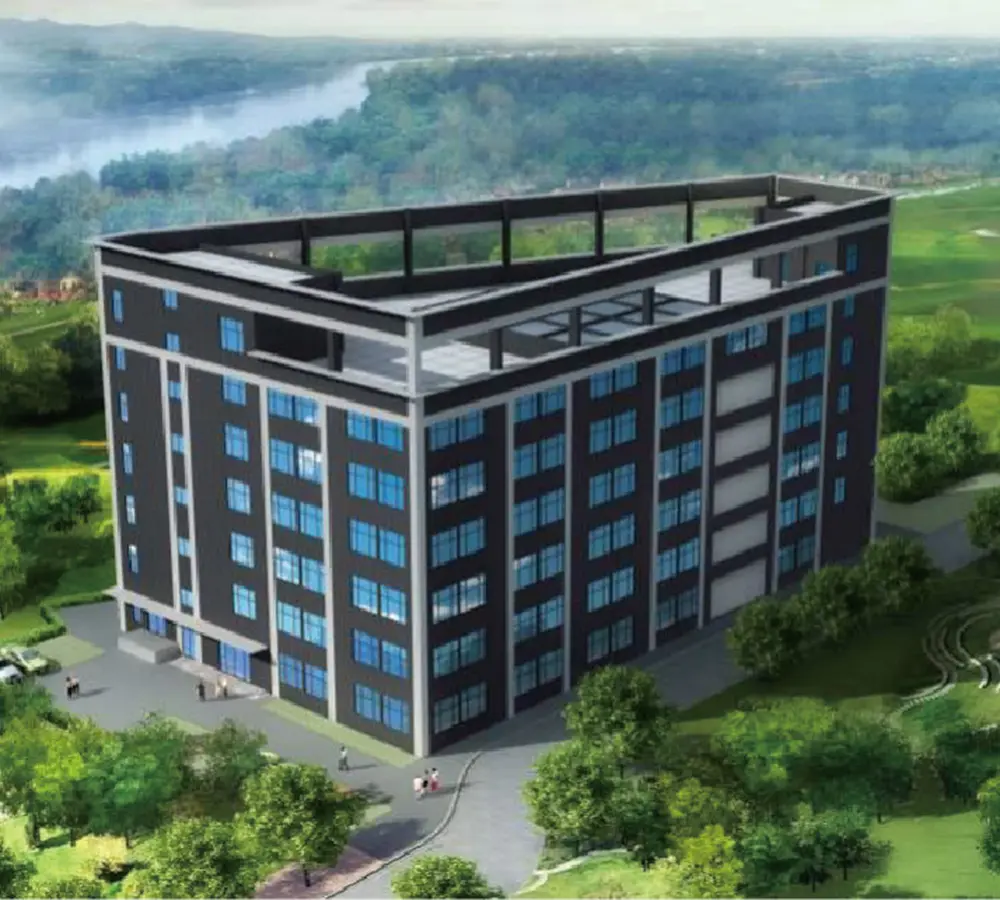
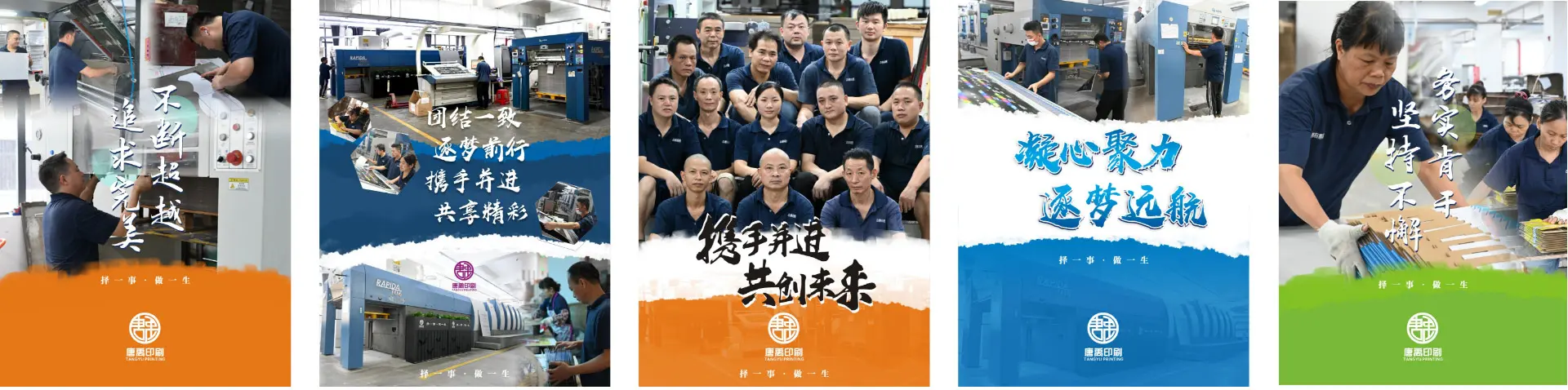
The manufacturing ecosystem in China has shifted from low-cost assembly to highly automated, precision production. Facilities like Zhuhai Doton Printing show how advanced technology enables supply chain resilience. Through integrated production stages, Chinese packaging leaders offer several competitive advantages:

  1. Integrated Design & CTP Workflows: Advanced Computer-to-Plate (CTP) technologies transfer client packaging designs directly to raw plate assets. This eliminates steps, reduces color variance to minimal delta-E tolerances, and speeds up prepress adjustments.
  2. High-Speed German & Japanese Printing: Deploying KBA and Heidelberg multi-color offset presses allows factories to print thousands of sheets per hour. They achieve clean, consistent text, complex color palettes, and detailed vector patterns.
  3. Precision Automated Die-Cutting and Gluing: Automating the folding, creasing, and glue-line injection processes ensures every box folds easily. It eliminates misalignments that can cause packaging failure in fast-paced retail environments.

Additionally, modern Chinese manufacturers maintain diverse supplier relationships for raw paper board. Access to domestic post-consumer recycled paper, FSC-certified Scandinavian kraft fibers, and advanced bio-coatings helps factories absorb supply shocks and maintain stable pricing during global logistics challenges.

Manufacturer Snapshot

Company: Zhuhai Doton Printing Co., Ltd.

Established: 2009 (15+ Years Industry Leader)

Key Technologies: Advanced Heidelberg & KBA Offset Systems, Auto Folder-Gluers, CTP Direct Processing

Capacity: >1,000,000 Custom Units / Month

Key Materials: FSC Certified Kraft, SBS, Recycled Grayboard, Soy-based Eco Inks

Sustainability Compliance: Our materials are processed in closed-loop systems, reducing VOCs by using soy-based inks and supporting global carbon offset programs.

15+

Years of Design & Print Experience

1M+

Monthly Production Capacity

400%

Storage Space Optimization

100%

FSC & Eco Ink Compliance

Why Partner with Us

Technical Capabilities & Logistics Mastery

From initial concept to rapid global delivery, our facility integrates every stage of the packaging value chain.

17 Years of Industry Expertise

Over a decade and a half of mastering structural engineering for paperboard products, offering stability and unmatched design insights.

Advanced Printing Hardware

Equipped with modern KBA and Heidelberg offset presses to deliver high color fidelity and crisp resolution for complex designs.

One-Stop Design to Logistics

We streamline the process by combining early-stage product engineering, raw material sourcing, automated processing, and final port delivery.

Doton Packaging Factory Equipment

Material Optimization: SBS vs. Recycled Kraft in Bakery Environments

Choosing the right packaging board involves balancing functional performance and sustainability. Under E-E-A-T guidelines, we analyze the two primary material paths for collapsible food-contact containers: Solid Bleached Sulfate (SBS) and Recycled Kraft Paperboard.

Solid Bleached Sulfate (SBS): SBS consists of virgin bleached chemical softwood fibers. It features a bright white surface that supports high-fidelity CMYK printing. Because it contains no recycled content, SBS has zero risk of mineral oil migration. This makes it ideal for direct food contact and high-end retail packaging. It also has excellent structural stiffness, preventing sagging under the weight of moist pastries.

Unbleached Recycled Kraft: For brands focusing on eco-friendly packaging, raw unbleached Kraft offers high tear resistance and a natural look. With a basis weight range from 250g to 400g, Kraft fiber matrices absorb minimal moisture. This prevents condensation from weakening the box structure in chilled environments.

Comparative Analysis Matrix: In humid conditions, unbleached kraft board maintains up to 15% more stiffness than standard recycled boards. This makes it the preferred choice for long-distance, cold-chain cake transport.

Localized Applications & Commercial Scenarios

Collapsible cake packaging adapts to diverse commercial settings around the world, meeting specific local and operational needs:

  • QSR & Foodservice Chains: High-volume bakeries require packaging that integrates into fast-paced prep areas. Auto-popup mechanisms allow staff to assemble boxes quickly. This keeps assembly lines moving, especially during peak holiday periods.
  • Boutique & High-End Retailers: Premium brands use custom finishes, such as hot-foil stamping, spot UV, and structural PET windows. This displays the product clearly while protecting it from outside dust and moisture.
  • E-Commerce & Cold-Chain Delivery: Third-party home deliveries expose packaging to mechanical shocks. High-strength micro-flute corrugated cardboard, combined with internal stabilizers, keeps delicate items safe during transport.
Knowledge Base

Frequently Asked Technical Questions

Detailed answers to common questions about materials, custom options, and logistics.

1. What materials are used to ensure the food-contact safety of the boxes?
We use FSC-certified raw papers, including Solid Bleached Sulfate (SBS) and food-grade unbleached Kraft. All printing inks are soy-based and eco-friendly. This meets FDA and EU food safety standards, preventing chemical migration and off-gassing.
2. How do collapsible designs improve logistics cost-efficiency?
By shipping flat-folded boxes, we reduce the volume per shipment by up to 80% compared to rigid, pre-assembled boxes. This increases container space, lowers shipping costs, and reduces the warehouse footprint required for inventory.
3. What is the Minimum Order Quantity (MOQ) for custom-printed boxes?
Our standard MOQ ranges from 1,000 to 5,000 units depending on the box style, size, and customization options (such as custom foils, windows, and inner coatings). Please contact our sales team for a detailed quote.
4. How do you ensure printing consistency across large production runs?
We use advanced Heidelberg and KBA offset presses equipped with automatic color-measurement systems. This maintains strict color consistency across production lots, ensuring your branding looks uniform worldwide.
5. Can you add transparent windows to collapsible boxes?
Yes. We offer custom PET, PP, and biodegradable PLA film windows. These materials are securely bonded to the main box, showcasing your desserts clearly while protecting them from dust and moisture.