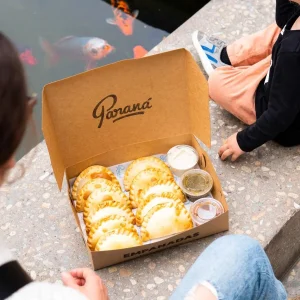
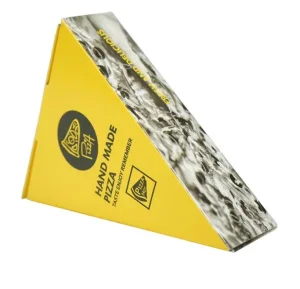
Explore our specialized range of high-performance boxes, designed for safety, structural rigidity, and exceptional print finish.
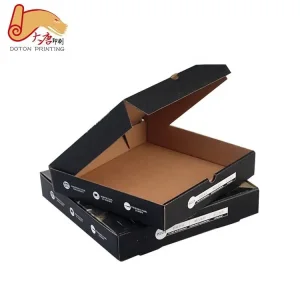
In the global frozen food landscape, packaging functions as more than a mere container—it is a critical element of preservation, safety, and brand differentiation. As supermarkets and e-commerce cold chains expand worldwide, the engineering requirements for **frozen pizza packaging** have grown increasingly sophisticated. When dealing with sub-zero temperatures (ranging from -18°C to -40°C during flash freezing), standard packaging boards fail. They absorb moisture, lose structural integrity, and fail to prevent freezer burn.
For brands and procurement specialists sourcing from a China Frozen Pizza Boxes Manufacturer & Factory, understanding the science behind barrier materials is key to reducing product damage and maximizing shelf-life. High-barrier food packaging must resist physical stress during transport while keeping grease, oil, and moisture locked away from the delicate product structure inside.
“The global frozen food packaging market is projected to reach USD 64.9 billion by 2030, driven by the demand for extended shelf-life, sustainability, and high-speed automated filling lines. Selecting the right board substrate determines your brand's bottom-line stability.”
Years Industry Experience
Monthly Production Capacity
FSC & Food Grade Certified
Advanced German Printing Tech
A high-performance frozen pizza box is engineered from the ground up to handle extreme temperature changes. Our manufacturing processes utilize specific paperboard variations and advanced coatings to match specific supply chain configurations:
| Paperboard Category | Typical Weight (GSM) | Key Benefits | Ideal Application |
|---|---|---|---|
| Solid Bleached Sulfate (SBS) | 300 - 450 GSM | Premium print surface, high brightness, 100% virgin pulp, excellent rigidity. | Gourmet & Premium Frozen Pizza Brands. |
| Coated Kraft Back (CKB) | 280 - 400 GSM | Maximum tear resistance, superior strength, natural fiber interior. | Large, heavy-stuffed frozen pizzas. |
| Folding Box Board (FBB) | 320 - 450 GSM | Multi-ply design, great bulk, cost-efficient compared to SBS. | High-volume retail supermarket lines. |
| Corrugated Micro-Flute (E/F Flute) | 1.1mm to 1.6mm thickness | Maximum thermal insulation, high crush resistance. | Club-store bulk packaging & direct-to-consumer delivery. |
Untreated paperboard absorbs moisture in damp environments, which weakens the fibers and makes the box warp or collapse. To prevent this, we apply specialized, food-grade barriers:
Why international food processors, distributors, and grocery chains choose Chinese manufacturing hubs for high-volume packaging procurement.
By using direct CTP (Computer-to-Plate) technology, brand graphics are transferred directly to KBA or Heidelberg offset presses. This process eliminates distortion and ensures consistent, high-definition CMYK reproduction across production runs of over a million units.
We source raw paperboard exclusively from responsibly managed, FSC-certified forests. Every run complies with FDA regulations for direct food contact and EU EC 1935/2004 standards, verified by SGS and Intertek laboratories.
Equipped with high-speed, automated die-cutters, window-patching lines, and folder-gluers, our factories easily handle complex geometries, perforated tear strips, and window cutouts with tight tolerances.
A trusted packaging partner in China since 2009, combining printing technology with robust supply chain integration.

Zhuhai Doton Printing is a leading, professional packaging manufacturer in China. We specialize in paper boxes, corrugated boxes, gift boxes, and paper shopping bags. Our packaging solutions serve food, wine, cosmetics, jewelry, toys, and garments globally.
A key factor in our success is our dedicated focus on material research and development. We rely on sustainable inputs—such as FSC-certified paper, recycled materials, and soy-based inks—to minimize environmental impact while delivering high-resolution prints.
By using direct CTP (Computer-to-Plate) technology, we transfer graphics directly to the plate to ensure crisp print quality. Printing is the core of our packaging production, and we run new KBA offset presses to meet demanding brand standards.
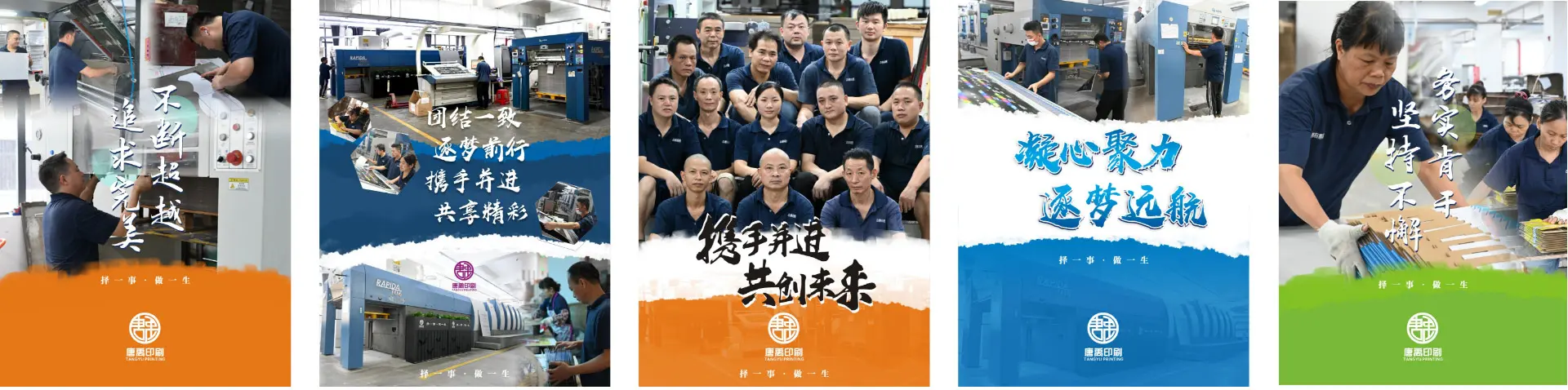
Food safety regulations are strict worldwide. Exporting food-contact packaging requires absolute compliance with chemical migration limits, heavy metal restrictions, and sensory testing. Our manufacturing lines run under strict quality management systems (including ISO 9001 and ISO 22000 food safety certifications) to guarantee compliance for every batch shipped.
Under US FDA 21 CFR 176.170 and European Regulation (EC) No 1935/2004, materials directly contacting fatty or moist foods must not transfer chemicals into the food. We test our paperboards using food simulants (like Tenax, 3% acetic acid, and 10% ethanol) to ensure overall migration limits (OML) stay well below the maximum allowed 10 mg/dm².
A common issue with printed frozen food boxes is ink odor transferring to the food, which can alter the taste of the pizza crust or cheese. To prevent this, we use low-migration, vegetable-based inks. We also test our packaging using the EN 1230-2 standard (Robinson Test) to confirm the box does not transfer any off-odors or flavors to the product.
To ensure boxes do not sag on supermarket shelves, we run them through mechanical testing protocols:
Get answers to common technical, material, and logistics questions about custom frozen pizza box manufacturing.
Complete your supply chain with our range of high-strength mailers, food trays, and custom gift boxes.
 Doton Printing