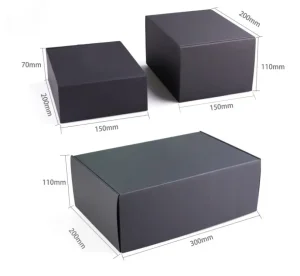
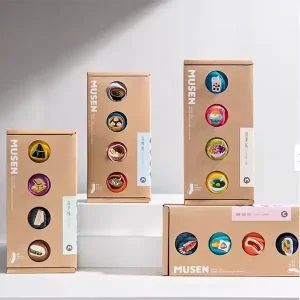
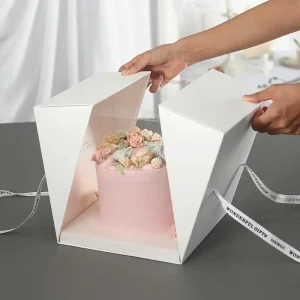
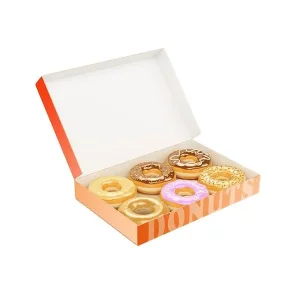
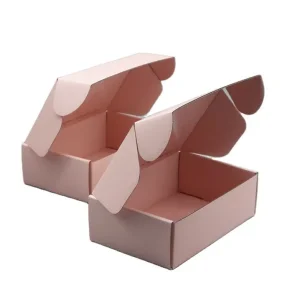
In the hyper-competitive global landscape of e-commerce, D2C logistics, and premium retail packaging, the structural design and engineering of a mailer box serve as crucial brand touchpoints and primary structural defense layers during transit. As global supply chains face continuous optimization pressures, procurement professionals look to China to provide unparalleled versatility, raw material advantages, and massive capacity scalability.
Developing high-fidelity corrugated mailers requires a delicate balance of material sciences, print fidelity, cost-effectiveness, and environmental compliance. This whitepaper analyzes the mechanical, structural, and chemical configurations required to formulate enterprise-grade packaging solutions. We draw on the established expertise of Zhuhai Doton Printing (established in 2009) to provide insights into modern packaging production line structures and cost-efficiency matrices.
To configure mailer boxes that withstand crushing pressures while preserving high-definition aesthetics, engineers must select precise corrugated flutes and paper grammages (GSM).
Selecting between E-flute (1.1mm to 1.8mm) for cosmetic and tech boxes with high print density, and B-flute (2.1mm to 3.0mm) for heavier transit requirements.
Using standard duplex or triplex outer boards (250g - 400g Kraft or CCNB) paired with high-performance corrugating mediums to maximize Edge Crush Tests (ECT) and Bursting Strength values.
Applying non-toxic, highly pigmented soy-based inks over CTP digital plates to ensure clean color separations and chemical compliance with modern environmental mandates.
| Flute Type | Thickness (mm) | Flutes Per Foot | Ideal Applications | Aesthetic Performance |
|---|---|---|---|---|
| F-Flute | 0.8 mm | 128 ± 5 | Jewelry, Light Cosmetics, Sock Sleeves | Ultra-smooth surface, prints high-resolution vector artwork with zero ribbing. |
| E-Flute | 1.5 mm | 90 ± 4 | Consumer Electronics, Subscriptions, Cosmetics | Optimal balance of crush-resistance and structural printing capabilities. |
| B-Flute | 3.0 mm | 47 ± 3 | Wine bottles, Heavy shoes, Industrial tools | High compression strength, best used for larger freight shipments. |
| EB Double-Wall | 4.5 mm | Combination | High-Value Electronics, Heavy Industrial Goods | Exceptional rigidity for long-distance multi-channel logistic pathways. |
The Chinese manufacturing ecosystem has shifted from a pure labor-based dynamic to advanced Industrial IoT (IIoT) automated production lines. At the forefront of this shift, Zhuhai Doton Printing demonstrates how integrated printing technologies scale B2B packaging pipelines globally.

Established in 2009, Zhuhai Doton Printing has grown into a leading packaging manufacturer in Southern China. Operating with over 15 years of industry-specific engineering design experience, Doton is specialized in:
A high-performance mailer box is only as good as its secondary converting processes. Automating the final stages prevents dimensional deviations that can compromise fitment. Doton's production lines are equipped with automated finishing systems:
Industrial packaging needs vary significantly across verticals. Our design matrices align structural configurations with industry-specific logistics requirements.
Utilizes quick-peel self-adhesive strips and tear-strips to eliminate packing tape. Reduces pack times by up to 40% and simplifies the return shipping process.
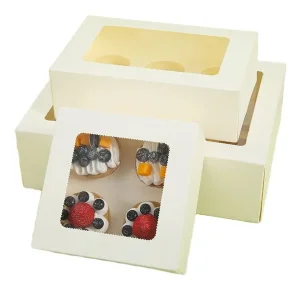
Incorporates barrier coatings and structural window patches. Provides display utility and oil resistance for chocolate, pastry, and high-end biscuit packaging.
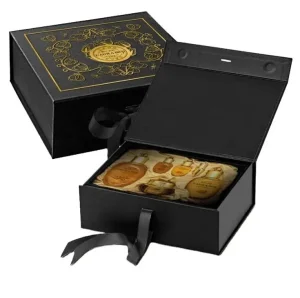
Pairs custom rigid cardboard outer sleeves with interior EVA, PET, or molded-pulp inserts to secure delicate bottles during transit.
The global packaging sector is adopting digital tracking features and eco-friendly structural designs. Our development pipeline addresses these shifting regulatory and logistical demands.
Replacing petroleum-based plastic laminations with compostable aqueous coatings. Emphasizing micro-flute designs (such as N & F flutes) to reduce material usage while maintaining box integrity.
Integrating printable conductive ink antennas, NFC tags, and variable QR configurations directly into the CTP plate workflow. Supports tracking for smart warehouses and luxury validation.
Optimizing production with automated solar grids, closed-loop water recovery systems for pulp formatting, and local vegetable-based adhesive options to reduce environmental footprint.
To obtain accurate quotes from Chinese packaging manufacturers, B2B buyers should provide clear technical requirements to minimize delays. Below is a structured checklist to prepare before initiating a request for quote (RFQ):
Provide dimensional vectors in 3D CAD formats, specifying internal vs. external clearances to prevent structural interference. Define the required paperboard grammage (GSM) for both liners and fluting, and indicate the expected Edge Crush Test (ECT) load thresholds.
Specify Pantone color profiles or CMYK separations for digital CTP plate processing. Detail post-press treatments, including matte/gloss lamination, UV varnishes, debossing, hot foil stamping, or specialized tear-strip placements.
B2B buyers should verify prospective partners against key manufacturing standards:
Exporting custom packaging from China to global destinations requires strict compliance with localized environmental regulations and border policies.
We verify paper fibers are sourced through FSC certified timber lines, helping brands comply with European Extended Producer Responsibility (EPR) regulations.
Food containers and confectionary packaging meet CE and FDA direct-contact testing requirements to ensure chemical safety and zero-toxin migration.
Through established shipping agreements, we support DDP, CIF, and FOB terms to streamline customs clearance and delivery.
Typical digital prototyping takes 2-4 business days. Structural physical samples requiring die-cutting plates take 5-7 days. Bulk manufacturing runs on high-speed KBA presses are finished in 12-18 business days from final digital proof validation.
Offset printing offers superior image resolution (up to 175-200 LPI), smoother gradient transits, and better color consistency. Flexography is well-suited for simple shipping cartons, but offset printing provides the print quality needed for retail packaging.
We conduct standardized Edge Crush Tests (ECT), Burst Tests (Mullen), and Box Compression Tests (BCT) using dedicated lab equipment. This ensures custom designs meet the load requirements of international shipping carriers.
MOQs range from 1,000 to 3,000 units depending on size, board weight, and structural complexity. Lower quantities can be produced, but unit costs are typically higher due to prepress, plate setup, and machine calibration requirements.
 Doton Printing