High-Performance Polymer Food Packaging Systems & Custom Sustainable Solutions for Global QSR Brands
How modern food supply chains are leveraging advanced plastic pizza storage and delivery boxes to optimize heat retention, hygiene compliance, and multi-trip economy.
In the highly competitive Quick Service Restaurant (QSR) sector and bulk food shipping landscapes, packaging is no longer just a vessel—it is a critical tool for preservation and brand consistency. For decades, traditional single-use corrugated cardboard boxes were the default choice. However, as delivery ranges expand and consumers demand restaurant-grade freshness at home, the limitations of paperboard become evident. Cardboard is vulnerable to moisture buildup, which compromises structural integrity and results in soggy crusts. It also offers minimal thermal protection, leading to heat loss during long deliveries.
This is where specialized pizza plastic boxes play a transformative role. Manufactured using advanced food-grade polypropylene (PP) or polyethylene (PE), these reusable, heavy-duty containers are designed to maintain thermal equilibrium while preventing condensation. As a leading manufacturer based in China, we specialize in high-capacity production lines that output structural, food-safe plastic boxes designed to withstand rigorous delivery environments, industrial dishwashing cycles, and heavy stacking forces.
Unlike standard plastics, our custom-engineered PP pizza boxes feature thermal stabilizers and microscopic ventilation pores. These design choices prevent steam from condensing on the box ceiling and dripping back onto the pizza crust. Additionally, their high deflection temperature (exceeding 120°C) prevents any chemical migration or off-gassing, keeping food safe and tasting exactly as intended.
Established in 2009, Zhuhai Doton Printing has grown into one of China's leading and most professional packaging manufacturers. Our focus spans high-precision paper boxes, corrugated solutions, luxury gift sets, and industrial polymer packaging. We serve diverse industries including food, wine, cosmetics, jewelry, toys, and garments globally.
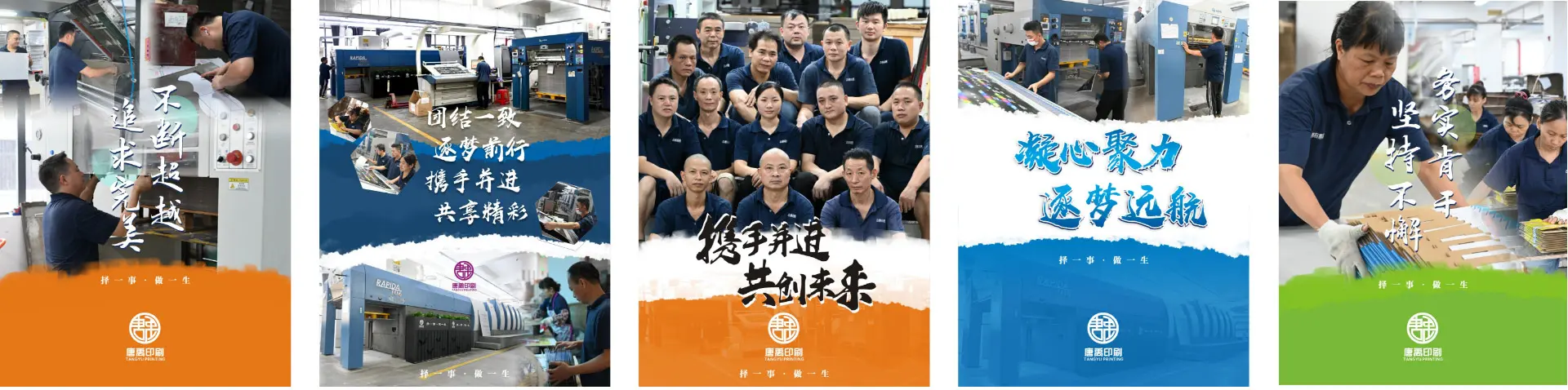
A key driver of Doton's market success is our commitment to material R&D. We actively integrate FSC-certified paper, recycled polymers, eco-friendly soy inks, and sustainable composites to deliver high-resolution prints and robust designs. Leveraging an advanced direct-to-plate CTP system, our pre-press prep links seamlessly with our printing and shaping processes. At Doton, printing and material forming are the core of our operations. We use brand-new KBA and Heidelberg offset printing machines to meet strict quality and color standards.

With an operational capacity exceeding one million boxes per month, our facility features a complete range of post-press machinery, much of which is fully automated. This includes film lamination machines, hot foil stamping systems, precision die-cutters, paper mounting equipment, and high-speed box pasting machines. This extensive hardware lineup enables us to offer end-to-end multi-material solutions, combining premium paper-based outer sleeves with custom thermoformed and injection-molded plastic inserts.
Over a decade and a half of dedicated design, structural engineering, and logistics experience across food-grade and luxury consumer packaging.
Equipped with industry-standard offset presses and fully automated thermoforming machines to ensure dimensional tolerance consistency.
From visual mockups and quick prototypes to high-volume manufacturing and worldwide delivery coordinates, we manage the entire supply chain.
In modern B2B packaging sourcing, procurement departments evaluate more than just unit cost. They look at lifetime value (LTV), hygiene compliance, and environmental footprint. Transitioning to custom polymer packaging offers three key strategic advantages:
Working with an experienced manufacturer like Zhuhai Doton provides commercial clients with crucial operational advantages:
Our engineering team focuses on structural durability and food safety. Below are the key development phases for our polymer food packaging products:
Developing custom PP resins with impact modifiers. This ensures the plastic boxes remain flexible and crack-resistant even at low temperatures (down to -20°C) for cold-chain deliveries.
Adding internal air-cell channels in the plastic walls. This double-walled barrier significantly reduces heat transfer, helping foods stay hot longer during transit.
Engineering smooth, non-porous surfaces with radiused corners. This design prevents food trap points and stands up to commercial sanitizers and high-temperature sanitizing cycles.
 Doton Printing