
How geographic concentration, integrated raw material markets, and high-precision automation drive pricing down and quality up.
In the global supply chain, custom packaging design is no longer treated as a secondary product protection element. Instead, it serves as a critical interface for brand storytelling, environmental alignment, and logistical efficiency. Global enterprises seeking a discount cardboard box packaging design factory must evaluate more than just the unit price; they need to analyze the underlying structural factors that determine overall cost-efficiency and product safety.
China’s Pearl River Delta, specifically industrial zones like Zhuhai, operates as a massive vertical integration hub for printing and packaging technologies. By combining structural packaging design, raw material sourcing (such as FSC-certified kraft paper, greyboard, and corrugated mediums), and state-of-the-art prepress plate-making within a single cluster, local manufacturers can compress product development cycles dramatically. What takes weeks in Western markets in terms of CAD modeling and digital sample verification is accomplished within 24 to 48 hours.
The cost advantage of sourcing from Chinese custom packaging factories is fundamentally built on massive production scale, supply chain density, and technical optimization. These factories utilize high-yield offset printing, automated die-cutting, and inline folding and pasting to minimize mechanical downtime. This structured approach allows them to offer competitive tier-based pricing structures to international buyers looking to optimize their total cost of ownership (TCO).

Integrating advanced European manufacturing assets with 15+ years of custom structural design and logistic optimization.
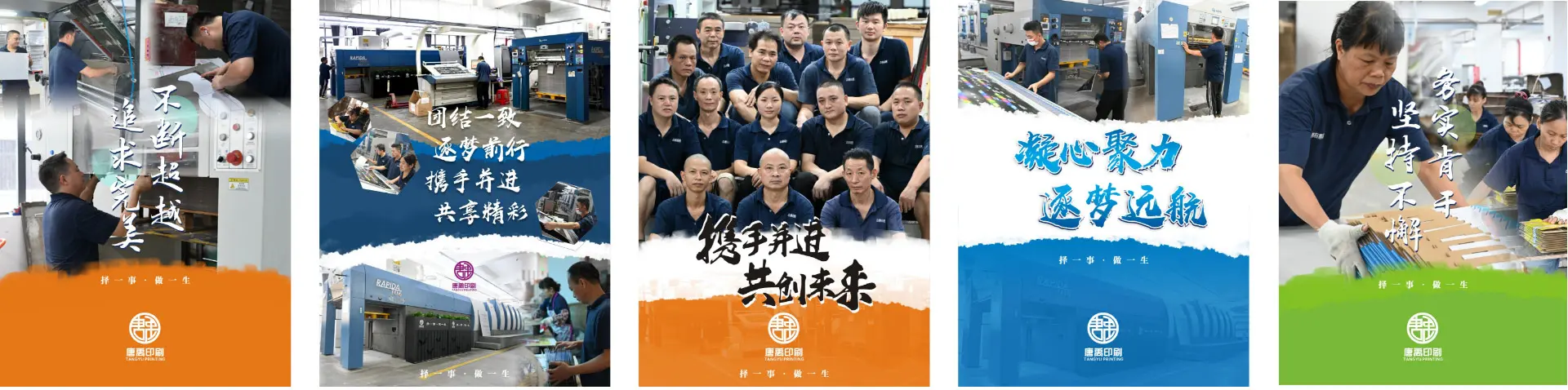
Established in 2009, Zhuhai Doton Printing Co., Ltd. has grown into a leading and highly specialized manufacturer of customized paper packaging in China. Over the past 15+ years, Doton has developed a robust reputation by manufacturing cardboard box designs, custom-printed paper carrier bags, and premium gift boxes that support various global consumer industries.
Our success in the international market is driven by our focus on advanced material engineering and structural research and development (R&D). Doton utilizes FSC-certified paper, post-consumer recycled (PCR) paperboard, and eco-friendly soy-based inks to ensure compliance with strict environmental regulations in North America and Western Europe.
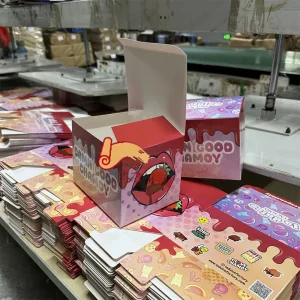
To guarantee high-resolution graphics and print fidelity, Doton relies on a modern prepress CTP (Computer-to-Plate) facility, which outputs digital files directly to physical plates. This eliminates transfer degradation and ensures dot reproduction down to 1%. Our printing capabilities are built around our brand-new, multi-color KBA and Heidelberg offset printing machines, which deliver reliable color consistency even across massive production runs.
Extensive background in developing customized structural styles for cosmetic, retail, food, and electronics industries.
Equipped with high-performance German printing systems to ensure accurate CMYK/Pantone color matching.
Strong relationships with raw material suppliers secure access to reliable paperboard, SBS, and kraft paper stock.
Our packaging engineering process includes volumetric container space analysis to minimize international shipping costs.
We support you at every stage, from initial CAD layout and graphic proofing to automated die-cutting and shipping.
An in-depth breakdown of pricing components, design optimizations, and material engineering decisions that affect global packaging costs.
Purchasing packaging materials at scale requires a clear understanding of the variables that impact a factory's Pricelist. Many buyers believe unit pricing is determined solely by paperboard weight (GSM). In practice, structural design choices, surface finishes, and automated assembly options play a much larger role in the final production cost.
Packaging needs vary widely depending on the industry and the sales channel. Choosing the right material structure and manufacturing process is essential to balance protection, branding, and cost:
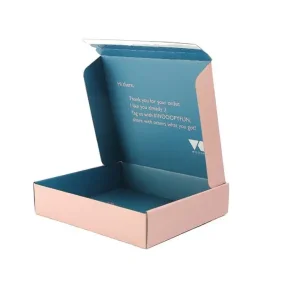
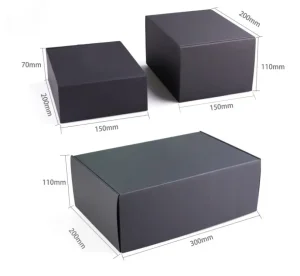
1. Subscription Box & E-Commerce Fulfillment: Requires high ECT (Edge Crush Test) values to survive transit. E-flute corrugated cardboard, custom-printed on both sides, provides structural strength and a premium unboxing experience.
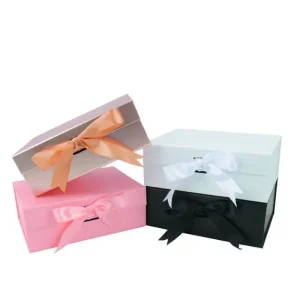
2. Luxury Cosmetics & High-End Retail: Rigid greyboard boxes wrapped in 157G artboard, featuring magnetic closures and custom hot foil stamping. These boxes focus on premium aesthetics and tactile feel to match high product price points.
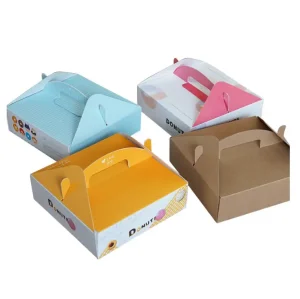
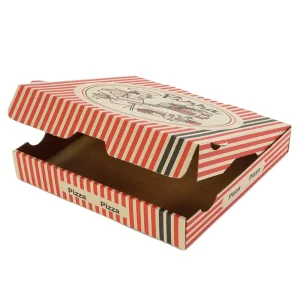
3. Food-Grade & Bakery Packaging: Utilizes lightweight bleached board or unbleached kraft paper with clear polyethylene (PE) or PLA compostable window films, ensuring grease-resistance and structural integrity.
How regulatory pressures, environmental goals, and processing innovations are reshaping cardboard packaging design.
To simplify recycling, global brands are moving away from composite materials. Replacing plastic windows and handles with paper alternatives makes the entire package recyclable without requiring component separation.
Water-based barrier coatings are replacing traditional petroleum-based PE laminations. This transition allows food service and retail packaging to biodegrade fully in industrial composting systems.
Integrating custom QR codes, variable data prints, and RFID tags directly into the packaging design. This helps track inventory throughout the supply chain and provides consumers with interactive product verification.
Exporting custom packaging to regions like the European Union and North America requires strict adherence to environmental regulations. Compliance with directives like the EU's Packaging and Packaging Waste Regulation (PPWR) means manufacturers must minimize heavy metal concentrations, restrict fluorinated chemicals (PFAS), and document material origins.
By maintaining a verified FSC (Forest Stewardship Council) Chain of Custody, Zhuhai Doton Printing guarantees that the wood fibers used in our paperboard come from responsibly managed forests. Additionally, using soy-based inks significantly reduces Volatile Organic Compounds (VOCs) during the drying process, making the packaging safer for food applications and easier to process in recycling systems.
Addressing key procurement queries, technical specifications, and shipping dynamics for global buyers.


 Doton Printing