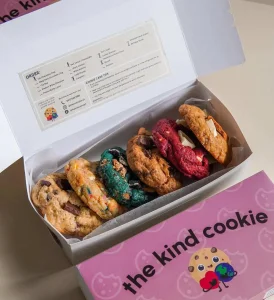
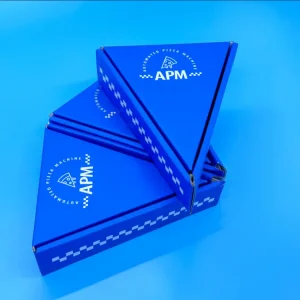
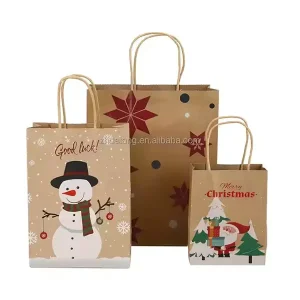
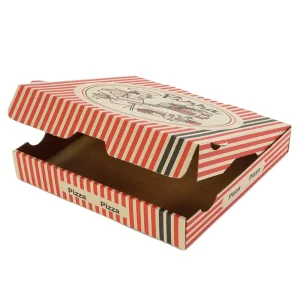
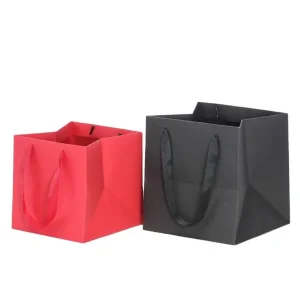
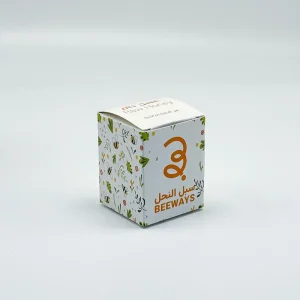
Explore our top-selling custom structures designed for durability, style, and brand enhancement.
Analyzing the rapid paradigm shift in industrial protective logistics and eco-conscious unboxing dynamics.
In today's fast-paced global supply chain, packaging is no longer just a vessel for containment; it is a critical component of brand identity, logistical efficiency, and environmental compliance. The rising popularity of Cardboard Corrugated Carrying Cases and Folding Mailer Boxes with Handles stems directly from the convergence of two major consumer trends: the e-commerce boom and the transition towards circular economy principles. Major retailers and consumer packaged goods (CPG) companies are migrating away from traditional multi-material shipping containers to integrated, single-material corrugated solutions that combine physical integrity with consumer-friendly ergonomic features.
From a macro perspective, the global corrugated packaging market is projected to expand significantly, driven by the escalating demand for sustainable packaging alternatives. The integration of structural carrying handles directly into folding mailer designs removes the need for secondary plastic bags or auxiliary carrier straps, dramatically reducing a brand's plastic tax liability in regions such as the European Union and North America.
Streamlines direct-to-consumer delivery by acting as both the primary transit container and the customer carry-home box.
Bridges the gap between brick-and-mortar storefronts and digital storefront purchases, minimizing warehouse transit costs.
Fulfills the stringent criteria set out by zero-waste mandates and extended producer responsibility (EPR) programs globally.
Unveiling the structural parameters that make folding mailer boxes with handles robust, protective, and cost-effective.
To construct a carrying case that survives the rigors of multi-point shipping without collapsing, manufacturers must select the correct flute profile and paperweight. Corrugated fiberboard consists of a fluted corrugated medium sandwiched between one or two flat linerboards. The structural strength of this composite board depends heavily on the flute height and number of flutes per linear foot.
For Folding Mailers with Handles, the standard choices are E-flute (approx. 1.6mm thickness) and B-flute (approx. 3.2mm thickness). E-flute provides a superior surface for high-resolution graphics and offset printing, while B-flute offers greater puncture resistance and structural rigidity, making it suitable for heavier industrial goods. By customizing the linerboard composition (e.g., using 250g Kraft paper as the outer layer), we ensure that the box retains its shape under heavy compressive loads, measuring high performance in Edge Crush Tests (ECT) and Box Compression Tests (BCT).

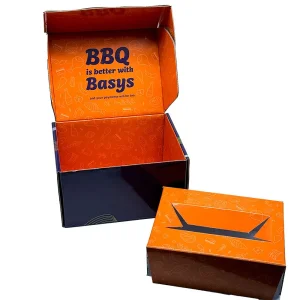
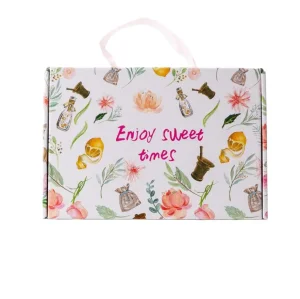
A key design feature is the integrated handle. Unlike separate plastic handle components that require secondary manufacturing lines and complicate recycling streams, our folding mailer design incorporates an all-fiberboard, self-locking die-cut handle. The handle is punch-cut during the main scoring process, maintaining flat-packing efficiencies until it is manually assembled at the packing station.
Understanding the technological baseline of Zhuhai Doton Printing — established in 2009.
Established in 2009, Zhuhai Doton Printing has positioned itself as one of the leading and professional manufacturers in China. Specializing in high-end paper boxes, corrugated boxes, custom gift boxes, and paper shopping bags, our corporate footprint reaches sectors ranging from food and wine packaging to luxury cosmetics, jewelry, toys, and the garment industry.
The cornerstone of Doton's market success is an uncompromised focus on materials research and development. In compliance with modern sustainability standards, we utilize FSC (Forest Stewardship Council) certified paper, recycled pulp materials, soy-based inks, and eco-friendly coatings. This environmental focus is matched by our technological investments. To achieve superior printing quality with high-definition resolution, we implement an advanced Computer-to-Plate (CTP) facility system that moves vector digital artwork straight to the printing plate.
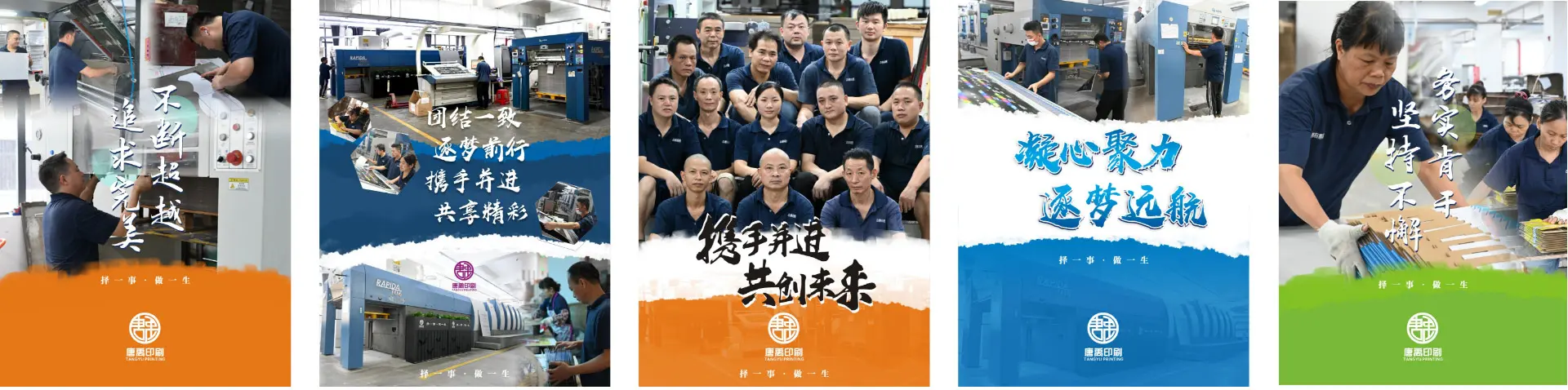
Printing serves as the core process of packaging production. At Doton, we utilize brand-new, high-performance KBA printing machines and top advanced offset Heidelberg print machines to meet your high-quality cosmetic, food, and retail standards. With a robust production capacity exceeding one million boxes per month, we house a full range of post-printing facilities. Most of our equipment is fully automated, including automated film laminating machines, foil stamping equipment, precise die-cutting systems, paper mounting machines, and high-speed box pasting machines.
Navigating complex international standards, shipping regulations, and food-grade packaging compliance.
Shipping custom carrying cases and food-contact packaging worldwide requires strict adherence to regional legal frameworks. Our factory ensures all products meet international criteria:
We adapt our packaging solutions to fit regional logistics models:
In the North American Market, carrying cases with handles are extensively used for large club-store multipacks and direct-to-consumer delivery boxes. Here, structural designs are tailored to fit United States Postal Service (USPS), UPS, and FedEx dimensional weight (DIM) calculations, minimizing shipping surcharges.
In the European Union Market, the focus leans heavily on eco-friendly, plastic-free paper compositions. Thus, we substitute film lamination with aqueous water-based protective coatings that keep the paper 100% recyclable in standard household waste systems.
Pioneering the next generation of smart, biodegradable, and automated packaging systems.
Embedding high-density QR codes and printable NFC chips into the layout designs, enabling anti-counterfeiting tracking and dynamic consumer interaction.
Replacing PE water-barrier laminations with seaweed-based and starch-based organic coatings that offer grease resistance for bakery containers.
Configuring mailer box folding panels to align seamlessly with automatic carton erecting equipment, boosting packaging line efficiency by 40%.
Answers to common structural, logistics, and pricing questions when requesting quotes from our factories.
Our standard production MOQ typically ranges from 1,000 to 3,000 units per run, depending on the dimensional size and physical complexity of the boxes. While we can facilitate smaller trial batches for niche clients, scaling order volumes optimizes printing setup costs (such as CTP plate creation) and reduces the unit price.
We perform testing using standard ASTM and ISTA (International Safe Transit Association) protocols. Our internal testing machines simulate transit stress by loading carrying cases to 120% of their intended capacity and subjecting them to drop, vibration, and static compression tests.
Yes. We provide options depending on market needs: a thin, splash-proof plastic film lamination (available in matte or glossy finishes) or eco-friendly water-based (aqueous) varnishes. The latter option keeps the entire box fully repulpable and compliant with strict eco-tax exemptions in the EU.
Once the structural design is finalized and the digital artwork proof is approved via our CTP system, bulk production generally takes 10 to 15 working days. This timeframe covers printing, die-cutting, automated folding/gluing, and quality control packaging. Ocean shipping to global hubs typically takes an additional 15 to 30 days.
Folding mailers ship completely flat, maximizing pallet density and storage efficiency. A standard shipping pallet can hold thousands of unassembled folding mailers, reducing transport emissions and warehouse space requirements compared to pre-assembled rigid containers.
Discover specialized configurations designed for seasonal campaigns, gourmet items, and industrial goods.
 Doton Printing