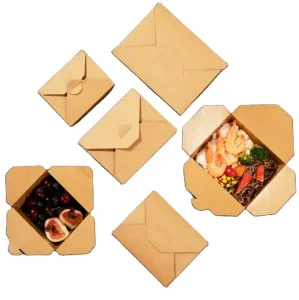
Explore our premium range of custom carton and paper solutions, designed to balance optimal product protection with distinct consumer brand equity.
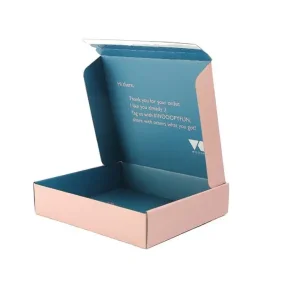
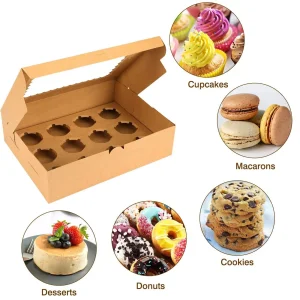
In the contemporary B2B procurement environment, carton box design is no longer treated merely as a structural container to protect goods in transit. Instead, it has evolved into a key element of supply chain optimization and consumer brand equity. As global trade lanes face stricter regulatory mandates concerning material weight, dimensional pricing, and recyclability, selecting the optimal combination of material engineering and structural design is crucial. Modern enterprises require packaging solutions that minimize shipping volume, maximize load bearing capacity, and lower assembly cycle times, while maintaining cost-efficiency.
Understanding these variables is critical for procurement managers seeking competitive carton box design quotes. The structural integrity of packaging directly affects product damages, which represents a significant source of supply chain loss. Consequently, leading manufacturers now integrate advanced engineering concepts—such as the Edge Crush Test (ECT) and the Bursting Test (Mullen)—directly into the pre-press prototype stage. Through detailed finite element analysis (FEA) of corrugated cardboard properties, modern manufacturers can develop custom boxes that reduce raw material consumption while retaining necessary structural strength.
By leveraging advanced design methodologies, brands can optimize their primary, secondary, and tertiary packaging levels. This approach yields significant freight savings, especially for international shipping where dimensional weight (DIM weight) pricing is standard. Working with a manufacturer that understands structural design and offers precise quotes is essential to achieving these efficiencies.
Designing a high-performance carton box requires an understanding of material composition, grammage (GSM), and manufacturing methods. Selecting the right paperboard grade—whether folding boxboard (FBB), solid bleached sulfate (SBS), kraft back duplex board, or corrugated board—determines the package's mechanical strength and tactile quality.
For corrugated packaging, selecting the appropriate flute profile is critical. The flute height and take-up factor directly impact cushioning performance and top-to-bottom compression strength:
| Flute Type | Approximate Flute Height | Flutes per Linear Foot | Primary Application Areas |
|---|---|---|---|
| A-Flute | 4.8 mm (3/16") | 33 - 39 | Heavy-duty structural cushion, double-wall master shippers |
| B-Flute | 3.2 mm (1/8") | 47 - 53 | Cushioning inserts, glass bottles, heavy retail shelf trays |
| C-Flute | 4.0 mm (5/32") | 39 - 45 | Standard shipping carton cases, general logistics |
| E-Flute | 1.6 mm (1/16") | 90 - 98 | Retail packaging, cosmetic folding gift boxes, custom tuck mailers |
| F-Flute | 0.8 mm (1/32") | 124 - 130 | Micro-flute applications, high-end electronics, luxury gift cases |
Additionally, paperboard weights typically range from 250 GSM to 450 GSM. When specifying material requirements, structural designers must coordinate with manufacturing engineers to ensure the container can withstand variables such as relative humidity, shipping vibrations, and stack loading times. For retail-ready packaging (RRP), we combine offset-quality lithographic lamination with high-strength corrugated liners. This delivers both high load-bearing performance and vibrant, retail-ready printing.
High-quality printing relies on advanced prepress systems. Utilizing Computer-to-Plate (CTP) imaging technology allows artwork designs to be transferred directly to printing plates, reducing dot gain and ensuring registration accuracy. Surface finishing techniques also help differentiate products on store shelves:
We source raw kraft and white linerboard from responsibly managed forests, helping you meet regional regulatory mandates and consumer expectations.
Utilizing high-end KBA and Heidelberg offset presses to achieve sharp halftone screens, accurate color match calibration, and exceptional color consistency across large runs.
Elevate your package aesthetics with inline film lamination, metallic hot foil stamping, precision die-cutting, spot UV gloss, and structural blind debossing.

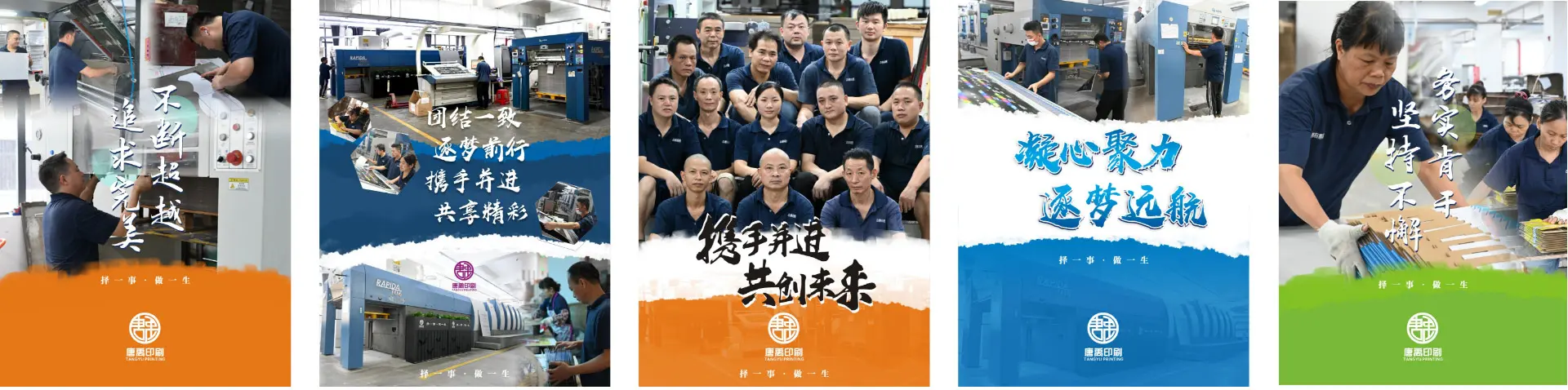
China's packaging supply chain remains competitive due to its deep integration of raw material sourcing, tooling creation, printing capability, and distribution networks. Zhuhai Doton Printing, established in 2009, operates within the Pearl River Delta industrial cluster. This proximity ensures access to high-grade pulps, structural components, and efficient domestic and international logistics channels.
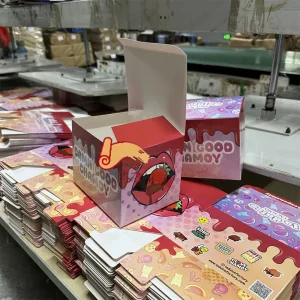
Through structural integration of upstream raw paper suppliers and automated in-house processing, manufacturers like Doton minimize volatility in material costs. The facility's automated systems handle film lamination, precision hot foil stamping, die-cutting, sheet mounting, and folding-box pasting. By automating these processes, we maintain a production capacity exceeding one million units per month, ensuring stable lead times even during peak holiday seasons.
This manufacturing efficiency translates to cost savings that are passed directly to brands. Whether you need custom corrugate boxes for consumer appliances or rigid foldable setups for luxury perfume packaging, Doton's capabilities help you optimize costs without sacrificing print quality or structural performance.
The packaging industry is shifting rapidly toward sustainability. Driven by strict plastic reduction mandates in regions like the European Union and North America, structural designers are replacing single-use plastic trays with paperboard alternatives. This includes bio-based, molded-pulp inserts, structural partitions, and recyclable paper-sushi containers.
Additionally, soy-based inks are replacing traditional petroleum-based inks. Soy inks release fewer volatile organic compounds (VOCs) during the drying process, simplify de-inking during paper recycling, and produce brighter colors on kraft paperboards. Modern packaging also integrates smart technologies, such as printed QR codes and embedded NFC tags, providing brands with trace-and-track visibility across the supply chain.
Detailed technical answers to help you navigate custom packaging engineering, ordering processes, and cost calculations.
Explore our additional custom packaging solutions, designed to meet diverse product requirements and brand specifications.
 Doton Printing