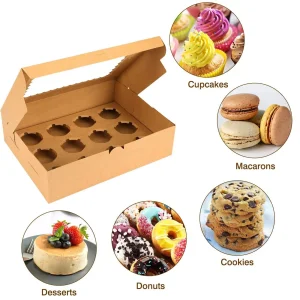
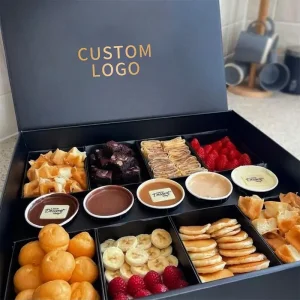
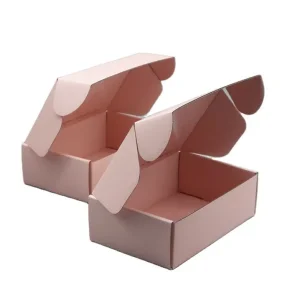
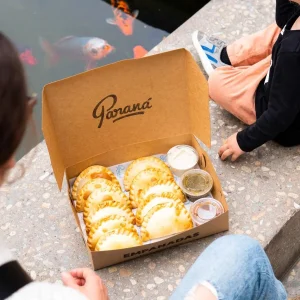
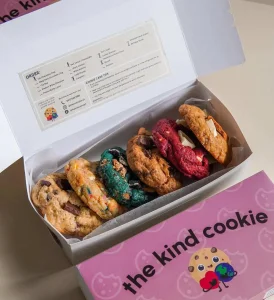
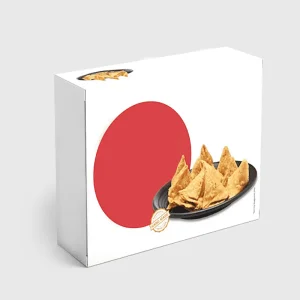
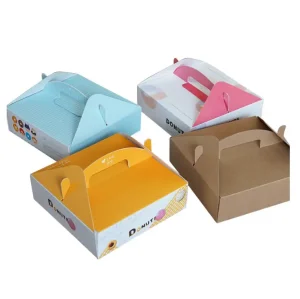
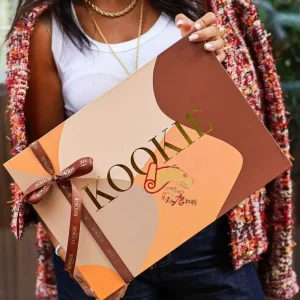
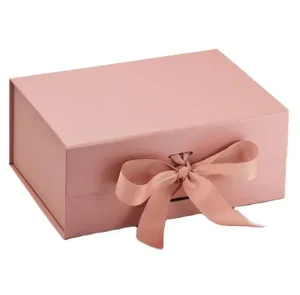
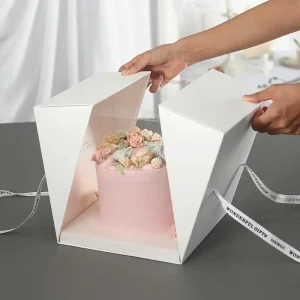
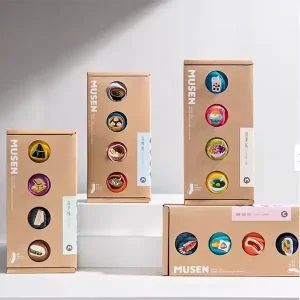
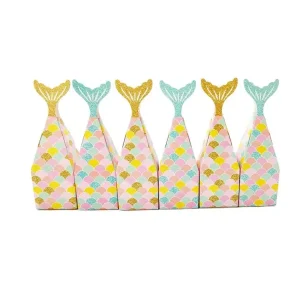
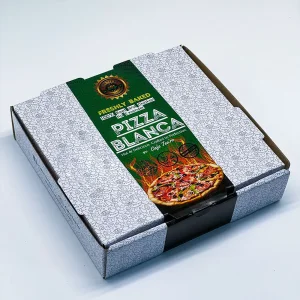
High-performance custom food grade containers and folding gift configurations engineered for industrial distribution networks.
The global corrugated packaging industry is experiencing a significant shift in dynamics, with the fast-food and pizza delivery sectors accounting for a multibillion-dollar portion. As modern urbanization expands and digital ordering networks grow, the demand for high-performance, cost-effective empty pizza boxes has surged. To maintain competitive operating margins, major multi-unit franchises, wholesale packaging distributors, and independent pizzerias are systematically sourcing from high-volume, discount-oriented manufacturers that combine structural efficiency with raw material procurement advantages.
Today's market dynamics require empty pizza boxes to do more than simply contain food; they must serve as thermo-regulatory systems, marketing displays, and eco-friendly products. Industrial manufacturers must control their supply chains from pulp sourcing to final die-cutting. By optimizing paper mill outputs, choosing specific board grades (such as B-flute, E-flute, and micro-flutes), and using high-speed flexographical printing, top-tier producers can offer substantial discounts for bulk orders while meeting food safety and quality standards.
In addition to basic cost factors, global trade routes and domestic supply logistics heavily affect bulk pricing. When purchasing managers look for discount empty pizza box quotes, they must analyze the total landed cost. This includes ocean freight, customs clearance, land transport, and warehousing fees. Leading manufacturers mitigate these logistics challenges by exporting flat-packed, compressed pallets. This approach maximizes shipping container density, reduces transit costs, and helps prevent damage during transport.
Exploring thermodynamic optimization, smart materials, and environmentally responsible manufacturing processes.
Engineered air venting arrays and micro-perforations reduce interior moisture buildup. This prevents soggy crusts while maintaining optimal thermal retention during delivery cycles.
Biodegradable, plant-based coatings protect against grease penetration without utilizing harmful fluorochemicals. This aligns with strict FDA and European Union food-contact regulations.
Precision pre-creased lines and quick-lock tabs are engineered for compatibility with automatic box-folding machinery, reducing labor costs in high-volume commercial kitchens.
Consumer pressure and regulatory updates are forcing brands to move away from single-use plastics and non-recyclable packaging. In the pizza industry, this shift highlights the importance of corrugated cardboard. Leading manufacturers are adopting circular business models that use up to 100% recycled fibers (testliner and fluting) and ensure that virgin fibers come from certified sustainable forests, such as FSC-certified resources.
In addition, replacing traditional petroleum-based inks with vegetable- and soy-based alternatives has improved the recyclability and compostability of pizza boxes. By removing chemical contaminants from the production line, modern facilities can produce clean, safe boxes. This reduction in chemical additives makes it easier for municipalities to process the discarded packaging in standard paper recycling streams, supporting a more circular economy.
Different markets have distinct requirements for box design, sizing, and structural strength. To provide accurate quotes, a global manufacturer must understand these regional preferences:
Designing a high-performance pizza box requires careful balancing of mechanical properties, thermal insulation, and cost. Below is our engineering roadmap for manufacturing empty pizza boxes:
The choice of flute (the wave-shaped middle layer of corrugated board) determines the box’s compression strength and insulation. B-flute (approx. 3.2mm thick) provides excellent crush resistance and cushioning, making it suitable for larger pizzas. E-flute (approx. 1.6mm thick) offers a smoother surface for high-resolution graphics, saves space on flat-packed pallets, and is ideal for individual or small-portion pies.
Kraftliner, made primarily from virgin softwood pulp, offers superior strength, moisture resistance, and a premium look. Testliner, produced from recycled fibers, is highly cost-effective and eco-friendly. Combining a kraftliner exterior with a recycled testliner medium helps brands achieve excellent durability while keeping costs manageable.

Established in 2009, Zhuhai Doton Printing is a leading, professional packaging manufacturer in China. We specialize in custom paper boxes, corrugated boxes, luxury gift boxes, and premium shopping bags. Our packaging solutions support businesses across the food, beverage, cosmetic, jewelry, and apparel industries worldwide.
A key driver of DOTON’s success is our commitment to material quality, research, and technical development. We prioritize environmentally responsible materials, including FSC-certified paper, recycled fibers, and soy-based inks. To ensure high-resolution, high-quality printing, we utilize advanced Computer-to-Plate (CTP) prepress systems, translating digital artwork directly to aluminum plates.
At Doton, printing quality is core to our packaging production. We operate advanced KBA and Heidelberg offset printing presses to meet demanding brand standards. With a monthly production capacity exceeding one million boxes, our facility is equipped with automated post-press machinery, including film laminators, foil stampers, die-cutters, and paper mounting machines.
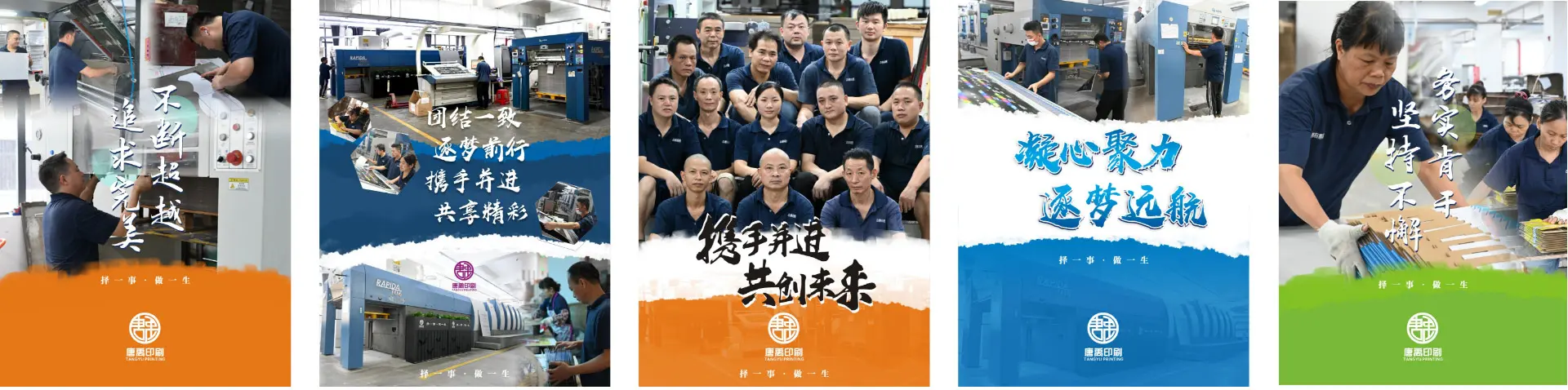
Over 15 years of experience in structural packaging design and global delivery service, supporting clients from startup brands to multinational chains.
Equipped with high-performance Heidelberg and KBA offset presses, ensuring excellent color accuracy and sharp printing results.
Strong relationships with raw material suppliers secure stable cardboard availability and competitive pricing, even during market fluctuations.
Comprehensive design, structural engineering, and freight-forwarding integration help lower shipping costs and simplify logistics.
We manage the entire production process—from concept and prototype design to printing, coating, automated die-cutting, and shipping.
Our design team can quickly generate custom box styles and recommend material structures to fit your product requirements.
Purchasing packaging at an industrial scale requires balancing budget constraints, supply chain security, and quality control. For large pizza franchises and wholesale distributors, a reliable supplier must offer solutions that go beyond simply manufacturing boxes:
To help clients avoid high warehousing costs, we offer Vendor-Managed Inventory (VMI) services. We manufacture packaging products in bulk and store them in regional hubs, releasing inventory based on real-time consumption. This ensures a steady supply of packaging while reducing storage demands on your facilities.
Corrugated boxes are bulky when assembled, but flat-packed sheets can be shipped very efficiently. Our automated stacking and palletization systems compress the pre-cut boxes, maximizing container space. This flat-packed approach helps protect the cardboard from moisture and shifting during transit, keeping logistics costs manageable.
Our quality control process monitors production from raw paper rolls to the final packed pallets. We perform standardized tests for burst strength, moisture levels, and food-contact compliance. This rigorous testing ensures that each batch stands up to the heat and weight of commercial kitchen operations.
Answers to common technical, logistics, and purchasing questions from B2B packaging buyers.
Discount pricing depends heavily on volume. Ordering in full-container load (FCL) quantities allows us to maximize run times on our high-speed die-cutters, which reduces setup costs and material waste. Sharing your annual volume forecasts helps us offer the most competitive pricing structures.
Kraftliner uses virgin wood pulp fibers, providing excellent burst strength and moisture protection under high temperatures. Testliner is made from recycled fibers, offering a cost-effective, environmentally friendly alternative. We often recommend a hybrid structure—a kraft exterior for durability and print quality, paired with a testliner interior.
Yes. Our food-grade packaging materials undergo testing to comply with international regulations, including FDA and CE standards. We use clean, oil-resistant board constructions and food-safe vegetable- or soy-based inks to ensure overall product safety.
We offer customizable printing, ranging from simple 1-4 color flexographic printing for high-volume corrugated boxes to high-definition offset printing for specialty gift packaging. Custom options include embossing, spot UV coatings, foil stamping, and customized ventilation cutouts.
We maintain precise humidity and temperature controls in our paper warehouses and production zones. Keeping board moisture within the optimal 6-8% range prevents warping, ensures clean die-cut folds, and maintains structural strength during transport and storage.
Our high-durability, customizable food containers and rigid display configurations designed for retail distribution.
 Doton Printing