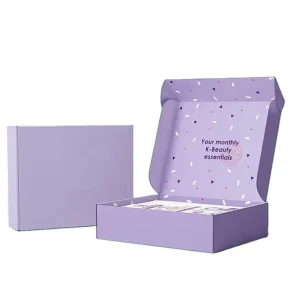
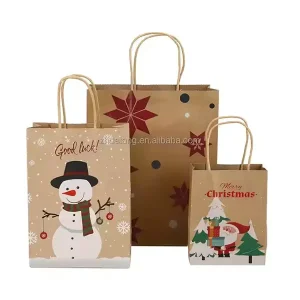
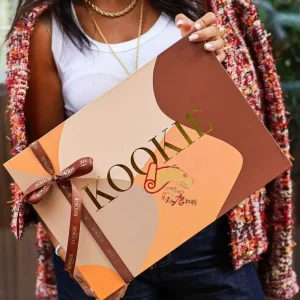
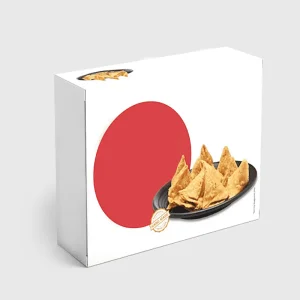
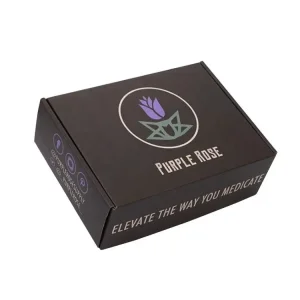
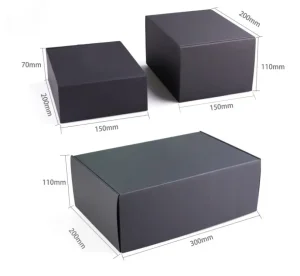
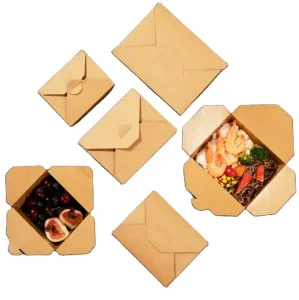
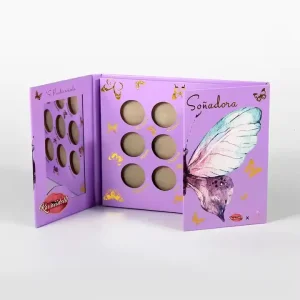
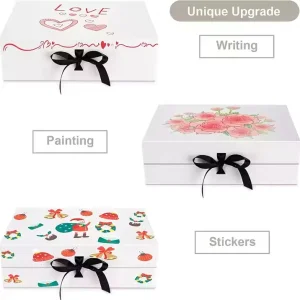
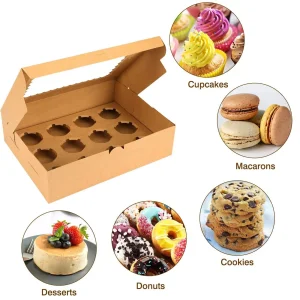
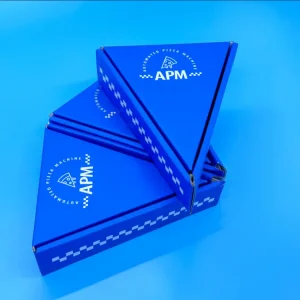
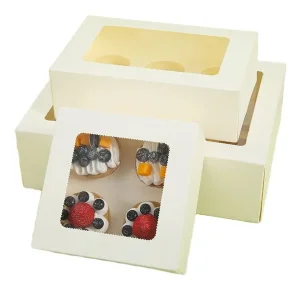
Explore our primary custom paper and food-grade packaging product lines engineered for durability, eco-friendliness, and pristine brand display.
In the rapidly evolving Quick Service Restaurant (QSR) sector, the humble pizza box has undergone a massive engineering revolution. As individual portions, lunch specials, and boutique artisanal offerings capture global market share, the demand for 7-inch pizza boxes has reached unprecedented levels. This size has transitioned from a specialty item to a fundamental supply chain staple. Buying departments must analyze the performance criteria, material sciences, and cost frameworks behind these packages to secure supply chains while upholding strict food safety guidelines.
This whitepaper acts as a comprehensive technical guide for global procurement directors, supply chain managers, and packaging engineers. We analyze structural styles, material choices, regional trends, the integration of automation in Chinese manufacturing (Industry 4.0), and the exact metrics to evaluate when requesting custom ODM quotes.
A 7-inch pizza box must perform in highly demanding thermal and physical environments. Its core design dictates how well it handles heat retention, grease mitigation, and stacking strength. The three main parameters of functional box engineering include:
Historically, thick corrugated boards like B-flute were used for larger packaging formats. For small 7-inch single-portion boxes, however, modern factories use E-flute (ranging from 1.1mm to 1.6mm) or F-flute (approximately 0.8mm) micro-flute corrugated cardboard. Micro-flute variants provide several key advantages:
One of the biggest issues in delivery operations is soggy crust caused by trapped condensation. High-end ODM factories combat this using rear venting slots combined with structural vapor escape channels. By calculating the steam release rate of a fresh 7-inch pizza, designers can place vents that release humidity while retaining maximum heat.
The packaging market is changing rapidly due to plastic bans and zero-waste initiatives. When importing 7-inch pizza boxes, global buyers face varying compliance criteria depending on their local markets:
In the United States and Canada, the primary focus is on direct food contact safety. Material safety datasheets must prove compliance with FDA regulations for aqueous and fatty food contact. Additionally, major cities have implemented strict bans on per- and polyfluoroalkyl substances (PFAS) commonly used to coat greaseproof papers. Buyers look for clay coatings or natural starch-based alternatives to achieve oil and water barrier performance.
Under the European Packaging and Packaging Waste Regulation (PPWR), packaging must be fully recyclable or compostable. This has accelerated the transition to unbleached brown Kraft paperboards. These boards use FSC-certified wood fibers and rely on water-based barrier dispersion coatings instead of polyethylene (PE) laminations.
Driven by food delivery apps, the demand in APAC centers on high-volume production, low unit costs, and rapid customization turnaround times. Brands use the outer lid of the box as a primary advertising surface, which requires advanced multi-color printing capabilities.
Understanding the elements of factory pricing allows procurement managers to negotiate better deals and optimize their total cost of ownership (TCO). A standard B2B quote for custom 7-inch pizza boxes contains several core variables:
| Liner Specification | Printing Method | Standard MOQ (Units) | Target Price Range (USD/Unit) | Primary Application |
|---|---|---|---|---|
| 100% Recycled Testliner (115-125g) | Flexographic (1-2 Colors) | 50,000 | $0.06 – $0.09 | High-volume QSR chains, cost-driven markets |
| Virgin Kraft Outer / Kraft Inner (120-140g) | Flexographic (3-4 Colors) | 25,000 | $0.10 – $0.14 | Mid-market pizza franchises, food delivery hubs |
| Coated Duplex Board + Fluting (Premium) | Offset Litho + Soy Inks | 10,000 | $0.16 – $0.22 | Artisanal brands, gourmet frozen retail lines |
Key Variables Affecting Your Quote:
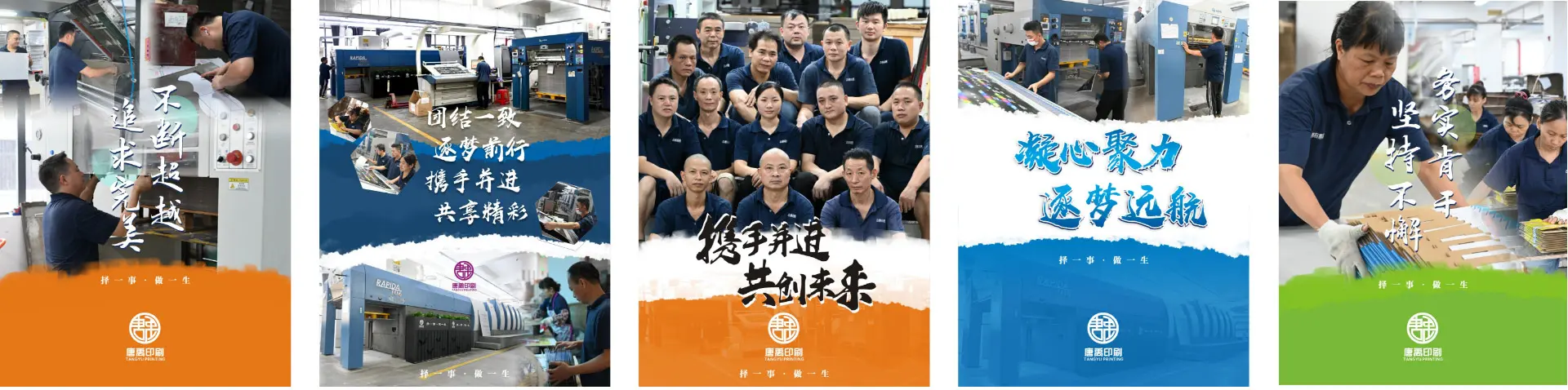
The packaging industry is no longer a manual, labor-heavy trade. Advanced Chinese production centers, such as Zhuhai Doton Printing, have transitioned to automated manufacturing systems (Factory 4.0). This structural shift directly benefits global buyers through lower defect rates and reliable supply chains.
By utilizing advanced high-resolution printing machinery—including brand new KBA and Heidelberg offset presses—factories can maintain print registration tolerances within ±0.2mm. This ensures consistent branding across millions of production units.
Traditional manual creasing often causes micro-fractures in paperboard fibers, which reduces the stacking strength of the box. Modern automated platen die-cutters crease and cut at speeds of up to 4,500 sheets per hour. This guarantees consistent folding lines, allowing QSR staff to fold and assemble boxes quickly during busy shifts.
The best Chinese factories operate near major paper mills and logistics hubs. This close proximity helps stabilize raw material prices and keeps production lines running even during global supply chain disruptions.
Over 15 years of package design experience, creating functional, eye-catching structural designs for global brands.
Equipped with high-performance Heidelberg and KBA offset presses for sharp, vibrant, and clean prints.
FSC-certified paper, recycled fibers, and soy-based inks support global sustainability targets.
With a capacity of over 1 million boxes per month, we easily handle high-volume enterprise orders.
Fully automated lamination, foil stamping, die-cutting, and box pasting machines ensure precise construction.
We manage the entire process in-house, from structural concepts and artwork validation to logistics integration.
The 7-inch box is incredibly versatile. Custom designs allow brands to adapt it to various food service environments:
Fast-paced delivery environments require boxes that assemble in under three seconds. ODM manufacturers address this with pre-broken crease lines and lock-corner styles. These designs assemble quickly and maintain their structure under the weight of stacked delivery bags.
Frozen personal pizzas require packaging that withstands high humidity and freezing temperatures. Factories use special clay-coated newsback (CCNB) or solid bleached sulfate (SBS) boards. These are paired with moisture-resistant inks to prevent the packaging from softening in cold display cases.
Premium single-serving options require an elevated unboxing experience. Micro-flute boxes can be upgraded with custom inner-lid printing, foil hot-stamping, and cut-out windows. These features enhance brand storytelling and create a memorable presentation at catered events.

Established in 2009, Zhuhai Doton Printing is a leading and professional packaging manufacturer in China. We specialize in producing paper boxes, corrugated boxes, custom gift boxes, and shopping bags. Our packaging solutions serve clients across the food, wine, cosmetics, jewelry, toy, and garment industries.
Doton’s success stems from our ongoing commitment to materials research, structural design, and technological innovation. We prioritize FSC-certified papers, recycled materials, soy-based inks, and eco-friendly coatings to deliver high-quality printing with exceptional resolution.
To guarantee the highest print quality, Doton uses an advanced computer-to-plate (CTP) system that transfers digital artwork directly to printing plates. Our printing floor features brand-new KBA offset printing presses designed to meet demanding brand standards.
With a monthly capacity of over 1 million boxes, we operate a fully integrated facility. Most of our post-press processes are automated, including film lamination, hot foil stamping, die-cutting, paper mounting, and box pasting. This automation guarantees consistent quality across high-volume production runs.
From eco-friendly food containers to custom retail packaging, our product lines meet strict international quality and performance standards.
 Doton Printing