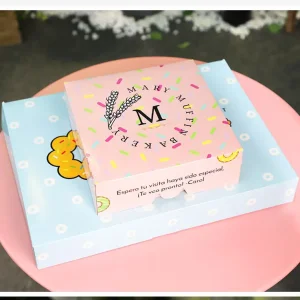
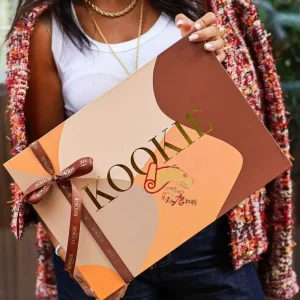
Explore our foundational packaging styles. Our automated lines produce highly structured cardboard boxes catering to global bakery and retail sectors.
An Analysis of Market Optimization, Structural Integrity, and Retail Spatial Efficiency
In the industrial bakery and specialized confectionery sectors, packaging is not merely a container; it is an active variable in supply chain economics, product preservation, and brand identity. The 9-hole cupcake box configuration serves as an optimal layout, striking a critical balance between volumetric payload and individual unit isolation. Unlike smaller 4 or 6-pack formats, the 3x3 layout maximizes the utilization of standard retail shelving and display glass spaces, presenting a substantial quantity to consumers without demanding excessive footprint.
Globally, the commercial bakery industry has recognized the 9-hole tray as the standard for retail promotion, multi-flavor variety assortments, and premium corporate gifting. Mechanically, the distribution of weight in a square 3x3 layout allows for a more centralized center of gravity. This reduces tipping hazards during logistics and handling compared to rectangular formats like 12-pack boxes. By distributing forces evenly across the corrugated or rigid paper board fibers, the structural load capacity is enhanced. This allows high stackability margins in cold storage, warehouse staging, and shipping container loading profiles.
Maximizes palletization configurations. Standard 9-hole layouts integrate flawlessly into standard master cartons, optimizing container loading volumes and lowering shipping costs per unit.
Engineered inserts feature finger recesses and perimeter tension lines that keep standard 2.5-inch bases securely centered, preventing side-to-side contact and keeping frosting pristine.
Utilizes FSC-certified SBS (Solid Bleached Sulfate) board, unbleached kraft papers, and compostable window films (PLA/Cellulose), meeting strict EU and US environmental standards.
Years Packaging Experience
Monthly Production Capacity
Food-Grade Soy Inks & FSC Paper
QC Defect Tolerance Rate
The global packaging supply chain relies heavily on Chinese manufacturing due to unparalleled raw material ecosystems, specialized labor, and high-precision post-press automation. Zhuhai Doton Printing, established in 2009, stands at the forefront of this industrial capability, offering B2B buyers integrated packaging designs and logistics solutions under one roof.
Operational efficiency is anchored by capital investments in advanced machinery. Our facility features brand new German-built KBA (Koenig & Bauer) offset printing presses, which deliver superior halftone rendering, micro-text clarity, and fast plate changes. The front-end process is managed using advanced Computer-to-Plate (CTP) systems, reducing errors and ensuring that digital artwork translates to physical prints with high color accuracy.
Beyond printing, post-press processes are automated to ensure consistency and speed. Fully automatic film laminating, foil stamping, die-cutting, window patching, and folder-gluers allow us to achieve a production capacity of over 1,000,000 boxes per month. This high degree of automation minimizes manual handling errors, ensures precise tolerance folds for auto-popup mechanisms, and maintains structural integrity. Our integration of raw material sourcing and automated processes enables us to provide competitive pricing to global buyers.
A breakdown of the materials, options, and certifications that define our ODM manufacturing capabilities.
Choosing the correct substrate is crucial for balancing weight, moisture resistance, structural stackability, and final unit cost. For 9-hole cupcake packaging, our ODM services offer four primary substrates, each tailored to specific shipping and presentation needs:
| Substrate Material | Caliper / Weight Specs | Structural Advantages | Best Application Use-Case |
|---|---|---|---|
| Solid Bleached Sulfate (SBS) | 300gsm - 400gsm | Exceptional smoothness, premium white styling, ideal for high-resolution graphics and foil stamping. | High-end boutique bakeries, custom retail lines, and holiday-themed packaging. |
| Natural Kraft Paperboard | 280gsm - 350gsm | High tear strength, organic raw aesthetic, eco-friendly. Can support grease-resistant interior barriers. | Eco-conscious brands, rustic bakeries, organic and vegan product collections. |
| F-Flute Corrugated Board | 1.0mm thickness (Micro-corrugated) | High compression strength, rigid protective walls, great for stackability. | Direct-to-consumer shipping, regional logistics, and heavy multi-tiered cake displays. |
| Recycled Board (Duplex/Greyback) | 350gsm - 450gsm | Cost-efficient, uses post-consumer recycled fiber, coated white top layer for clean printing. | Wholesale catering, high-volume commercial baking chains, and price-sensitive campaigns. |
In addition to board density, we incorporate specialized barrier materials to prevent buttercreams, fats, and moistures from wicking through to the outer layers. Standard choices include water-based aqueous coatings, plant-based PLA (Polylactic Acid) coatings, and classic food-safe PET window coatings, all certified to meet FDA (Food and Drug Administration) and EC standards for direct food contact.
Wholesale unit cost guidelines based on production runs, materials, and customization choices.
Unit pricing in high-volume packaging manufacturing is closely tied to order volume, print processes, and material specifications. Below is an indicative tiered B2B pricing model for standard 9-hole (3x3) cupcake boxes (size: 9.5" x 9.5" x 4" / 241mm x 241mm x 101mm) featuring clear windows and inserts.
| Order Quantity (MOQ) | Material Configuration | Printing Specification | Est. Unit Price (FOB China) | Average Lead Time |
|---|---|---|---|---|
| 1,000 - 3,000 units | 350gsm Kraft / SBS (With Window + Insert) | Single-color printing, aqueous coating | $0.48 - $0.65 USD | 12 - 15 working days |
| 5,000 - 10,000 units | 350gsm Kraft / SBS (With Window + Insert) | 4-color CMYK Offset, aqueous coating | $0.32 - $0.42 USD | 15 - 18 working days |
| 20,000 - 50,000 units | 350gsm Kraft / SBS (With Window + Insert) | 4-color CMYK + Spot UV + Matte Finish | $0.21 - $0.29 USD | 20 - 22 working days |
| 100,000+ units | 350gsm Kraft / SBS (With Window + Insert) | Fully customized spot Pantone, gloss varnish | $0.14 - $0.18 USD | 25 - 30 working days |
*Please Note: The pricing above represents standard industrial estimates. Exact quotes require digital layout files, structural verification, and current raw pulp cost index referencing. Contact our commercial sales desk to receive a formal quotation.
Navigating the regulatory frameworks, logistics profiles, and consumption trends of key regional markets.
Different markets have distinct regulatory requirements, environmental directives, and branding trends. As a leading exporter of paper packaging, Zhuhai Doton Printing aligns its manufacturing outputs with these regional standards:
1. North America (United States & Canada): The primary requirement in this market is compliance with FDA Direct Food Contact standards (21 CFR Parts 170-199). Heavy-use bakeries demand high-integrity window films with anti-fog technology, preventing condensation from clouding the display window under refrigeration. There is also a strong preference for micro-corrugated F-flute materials, which provide the durability needed for long-distance third-party logistics (3PL) deliveries.
2. European Union (EU Region): The European market is heavily shaped by circular economy mandates, such as the EU Packaging Waste Directive (Directive 94/62/EC). Consequently, B2B buyers frequently request plastic-free designs. Our response includes the integration of certified compostable window membranes made from wood pulp (cellulose) or cornstarch-based PLA, alongside unbleached, FSC-certified kraft paperboards printed with biodegradable soy-based inks.
3. Asia-Pacific & Middle East: High-humidity environments require additional considerations. In coastal East Asia and GCC countries, high ambient humidity can weaken standard paper fibers, causing boxes to sag under stack loads. To counter this, we apply water-based protective barriers and use high-density board layers that resist moisture absorption, ensuring the boxes remain structurally sound throughout the cold chain.
Our capabilities are backed by 15+ years of packaging design and manufacturing expertise.
Operating since 2009, we've developed deep industry knowledge in paper packaging, gift box design, and corrugated solutions across diverse B2B sectors.
We leverage FSC-certified papers, post-consumer recycled substrates, and eco-friendly soy inks to deliver premium print quality and structural integrity.
From custom structural mockups to final printing, surface finishing, and containerized logistics, we streamline your supply chain from artwork to delivery.

Answering key technical questions from procurement officers, packaging engineers, and bakery owners.
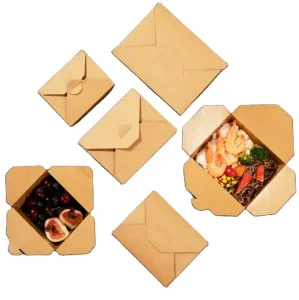
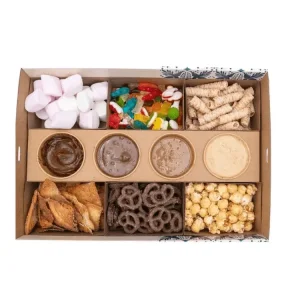
Browse our wider selection of custom-manufactured packaging solutions, from eco-friendly takeaway options to luxury display boxes.
 Doton Printing