Engineered structures built for high-throughput commercial deployment and brand distinction.
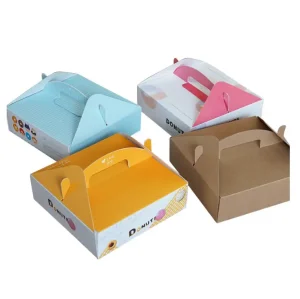
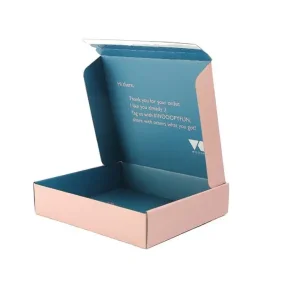
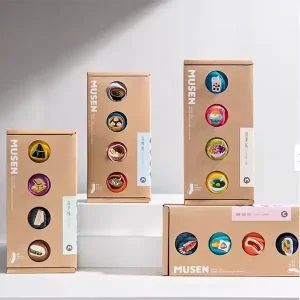
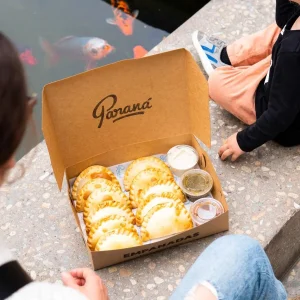
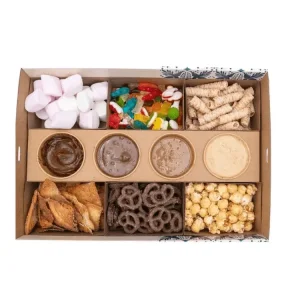
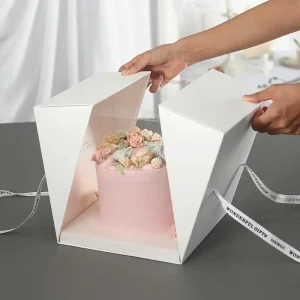
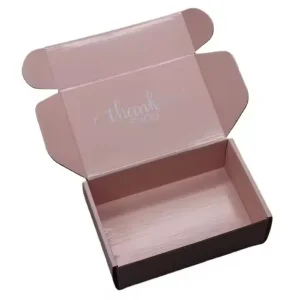
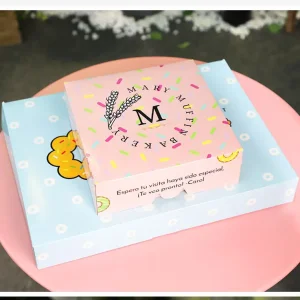
In the high-velocity Quick Service Restaurant (QSR) sector, the humble pizza box has transitioned from a basic transactional container to an engineered component of food preservation and brand positioning. Modern thermal delivery cycles expose paperboard packaging to extreme mechanical stress, heat retention requirements, and high condensation levels. As delivery networks stretch across dense urban areas and logistics systems become increasingly automated, the need for structurally resilient, greaseproof, and thermal-efficient packaging is paramount.
The global market is undergoing a structural transition driven by strict environmental mandates. Legislative pressures—such as the European Union’s Packaging and Packaging Waste Regulation (PPWR) and various state-level single-use plastic bans in North America—have forced brands to phase out PFAS-laden coatings and petroleum-based barriers. The industry is standardizing around 100% compostable, FSC-certified kraft packaging that offers equivalent water and grease barrier protection without relying on toxic chemicals. This structural shift requires specialized ODM partners with deep material science capabilities and advanced, high-precision industrial tooling.

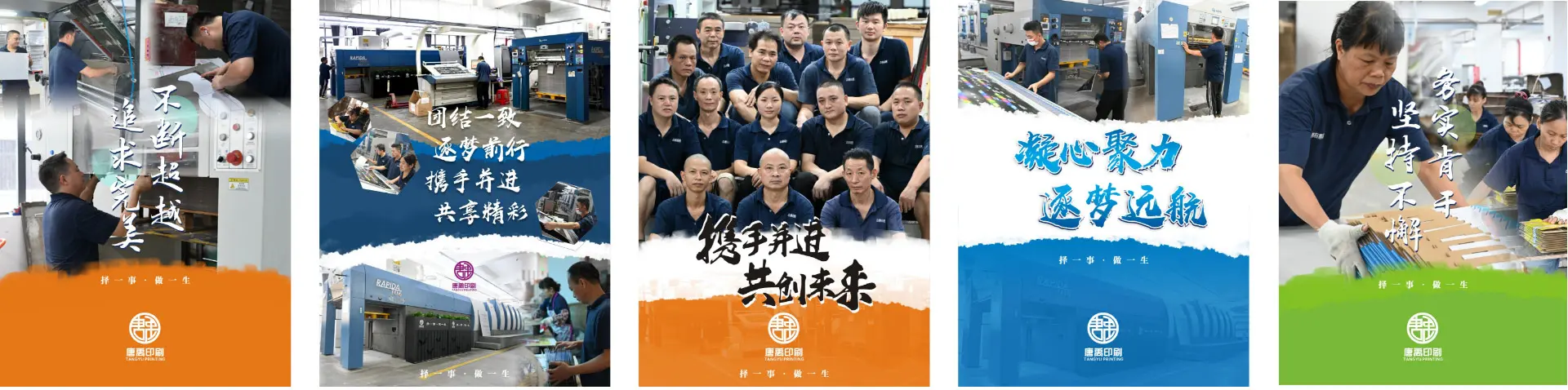
Established in 2009, Zhuhai Doton Printing integrates advanced printing technologies with automated post-press workflows.
Equipped with industry-leading KBA and Heidelberg offset presses, we deliver sharp, color-accurate prints with high resolutions. Our automated Computer-to-Plate (CTP) system converts digital designs directly to plates, ensuring clean setup and minimizing registration errors.
We source FSC-certified raw paperboards and utilize non-toxic, soy-based inks. Our boxes meet regional food contact compliance regulations (FDA, LFGB, CE), helping brands maintain high food safety standards.
Producing over 1 million boxes per month, our facility features automated laminating, foil stamping, die-cutting, and box-pasting machines to support reliable supply chains and consistent product quality.
An effective pizza box does more than hold food; it controls a thermodynamic microclimate. Once hot pizza is placed inside, it begins releasing water vapor. If this moisture is trapped, it condenses back onto the crust, making it soggy. If too much heat escapes, the product arrives cold. Managing these factors requires careful structural engineering.
The choice of flute directly impacts stacking strength and thermal insulation. We optimize our designs based on target delivery conditions:
Our boxes feature strategically placed ventilation paths that release steam while retaining enough heat to keep food warm. Raised inner floor textures can also be integrated to elevate the pizza crust, helping prevent moisture buildup on the bottom board.
| Parameter / Specification | E-Flute Configuration | B-Flute Configuration | Alternative Micro-Flutes (F/G) |
|---|---|---|---|
| Material Thickness | 1.2 - 1.8 mm | 2.2 - 3.2 mm | 0.8 - 1.1 mm |
| Vertical Stacking Strength | Moderate (Up to 8-10 kg static load) | High (Up to 15-20 kg static load) | Lightweight (Optimal for single portions) |
| Thermal Conductivity (K-Value) | 0.065 W/m·K | 0.048 W/m·K | 0.078 W/m·K |
| Printability Surface Index | Excellent (Fine screen offset, soy-based) | Good (Standard line art & flexo screen) | Superior (High-fidelity retail cartons) |
| Primary Delivery Mode | Direct delivery, urban cycle (0-20 mins) | Long-range courier, third-party apps (20-40 mins) | Over-the-counter sales & instant consumption |
Shipping packaging components worldwide requires strict adherence to food safety and environmental laws. Our products comply with major global regulatory standards, facilitating smooth import procedures and reliable supply chains.
All raw papers and barrier coatings undergo regular extraction tests. We verify that none of our materials migrate chemicals into fatty or aqueous foods, fully complying with FDA CFR 21 and EU Regulation No. 1935/2004.
Our raw materials come from certified responsibly managed forests. The FSC chain-of-custody tracking shows that the wood fibers used can be traced back to sustainable forestry operations.
We provide flat-packed shipping to minimize transit volume and shipping costs. Each batch is packed in heavy-duty outer master cartons wrapped in moisture-barrier film to prevent humidity absorption during transit.
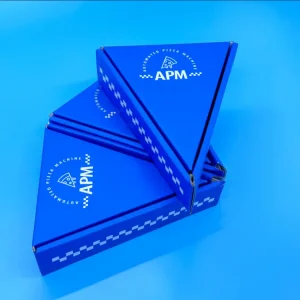
Our design team works directly with clients to adapt packaging to regional food preferences. Whether you need standard square kraft boxes, octagonal structural boxes, auto-popup bakery packaging, or specific takeaway containers, we tailor dimensions and strength ratings to fit your local delivery profiles.
We continuously research and test new materials to keep our clients ahead of changing market regulations and consumer expectations. Our development efforts focus on several key areas:
We are testing starch- and seaweed-derived coatings as alternatives to traditional petroleum-based barriers. These water-dispersed coatings provide oil resistance and allow the box to be repulped in standard paper recycling loops.
We are developing micro-embossed paper liners that trap droplets without losing structural rigidity. This helps maintain box strength and keeps food crisp during extended delivery windows.
By printing unique serial codes or scannable QR layouts directly onto the boxes, we help brands track origin details, highlight sustainability metrics, and run interactive loyalty campaigns.
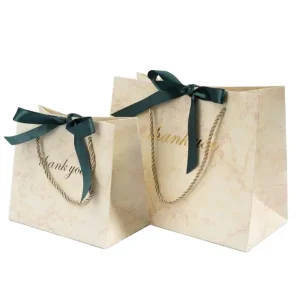
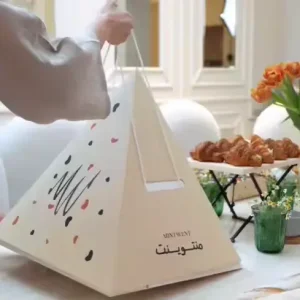
Heavy-duty transport mailers, retail gift bags, and customized takeaway structures.
Technical and logistical insights for global packaging procurement managers.
 Doton Printing