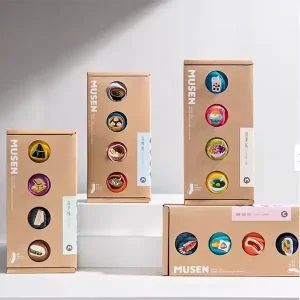
Explore our premium select range of packaging systems, designed for structural durability, visual impact, and environmental compliance.
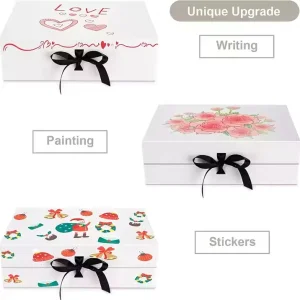
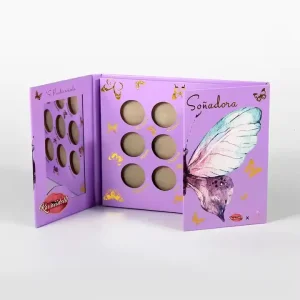
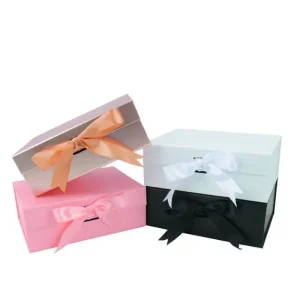
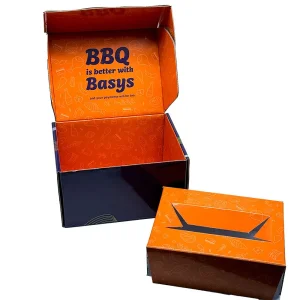
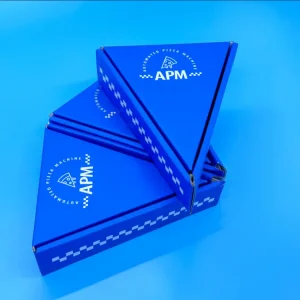
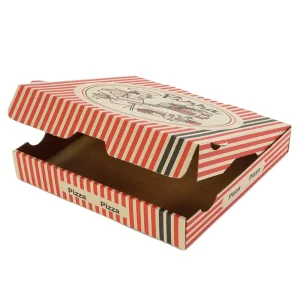
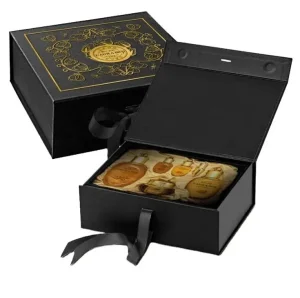
The global cardboard packaging and custom industrial printing landscape is experiencing a paradigm shift. Historically treated as a simple vessel for product transport, modern packaging is now recognized as a critical touchpoint for brand identity, product security, and supply chain compliance. Original Design Manufacturing (ODM) services in the printing and paperboard sector have adapted by integrating smart design technologies, high-fidelity color management systems, and stringent environmental sustainability standards.
The evolution of printing on cardboard is driven by three main forces: structural lightweighting, chemical safety in raw materials, and the rapid rise of digital and offset integration. Modern manufacturing lines rely on Computer-to-Plate (CTP) imaging and advanced print presses to achieve resolutions that minimize moiré patterns and maintain color deviation within tight specifications (Delta E < 2.0).
Concurrently, the transition from conventional oil-based inks to soy-based and water-based formulations has moved from a niche environmental option to an absolute industry standard. This change is dictated by international VOC limits and food-contact material regulations. Additionally, businesses are moving away from traditional single-use packaging to structures designed for multi-life cycles, pushing manufacturers to innovate with recyclable barriers and coatings.
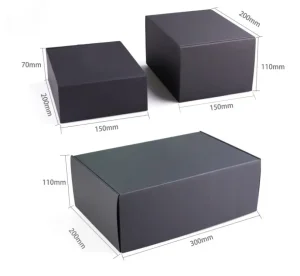
Achieving structural balance in custom corrugated mailers and rigid gift boxes requires deep expertise in fiber properties and geometry. Understanding cardboard parameters is essential for high-performance packaging:
An inside look at Zhuhai Doton Printing—integrating structural design, advanced prepress systems, and high-volume automated post-press lines.

Established in 2009, Zhuhai Doton Printing is recognized as a leading professional packaging manufacturer in China. We specialize in engineering and manufacturing high-end paper boxes, corrugated boxes, custom gift boxes, and premium paper shopping bags. Our high-performance packaging systems are widely used across the food, wine, cosmetic, jewelry, toy, and garment industries.
A key factor in our sustained success is a strong focus on raw material integrity, design engineering, and dedicated research and development. To ensure a superior print quality with sharp resolution, we utilize advanced CTP (Computer-to-Plate) systems to run a direct digital-to-plate workflow. Printing is the core process of packaging production; hence, Doton operates brand new KBA printing presses alongside Heidelberg offset machines to meet the most demanding high-quality standards.
With an active production capacity exceeding one million boxes per month, Doton has scaled its operations to support rapid lead times for global retail brands. Our manufacturing footprint features a complete, high-efficiency post-press setup where almost all equipment is fully automated.
From film lamination and precision foil stamping to high-speed die-cutting, paper mounting, and automatic box pasting, our integrated line reduces manual error, maintains structural consistency, and lowers unit costs. By using FSC-certified paper, recycled fibers, and eco-friendly soy inks, we support global brands in reducing their carbon footprint without sacrificing aesthetic impact or structural strength.
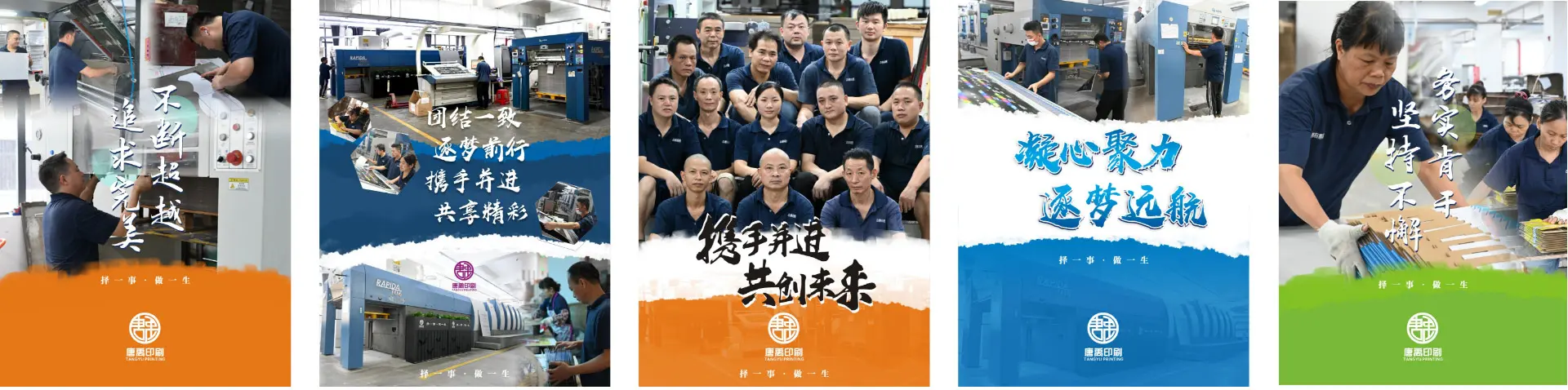
Industrial performance is driven by manufacturing scale, technological precision, and reliable supply chain integration.
Over 15 years of package range design and service experience, engineering custom dimensions and structural integrity for global brands.
Equipped with top advanced offset Heidelberg print machines and brand new KBA printing presses to deliver high resolution and color consistency.
Highly stable labor force and reliable supplier networks ensuring steady material sourcing and uninterrupted production cycles.
Focused on integrating technical design and logistical programming, lowering shipping costs via space-optimized flat-pack box styles.
Providing a complete one-stop solution from structural packaging design and high-precision printing to final automated box pasting and delivery.
Enterprise procurement requirements differ significantly from standard retail supply models. Large-scale operations demand strict consistency in physical performance, ink toxicity limits, and supply chain tracing. Below is Doton's blueprint for structural, chemical, and design engineering.
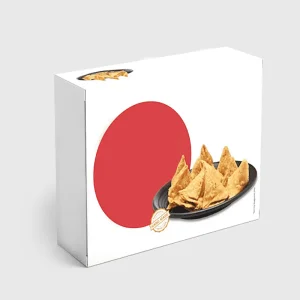
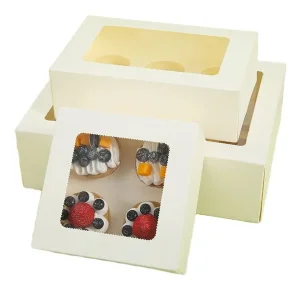
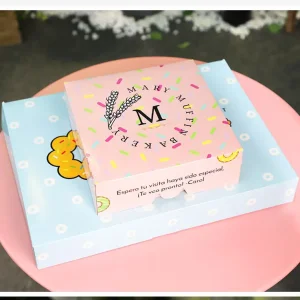
Packaging for baked goods, chocolates, and cosmetics is subject to strict chemical compliance. Components must not migrate into the contents, especially under varying temperatures. Doton utilizes food-grade paperboard and low-migration inks, and holds CE Certifications for food containers, ensuring compliance with international health and safety regulations.
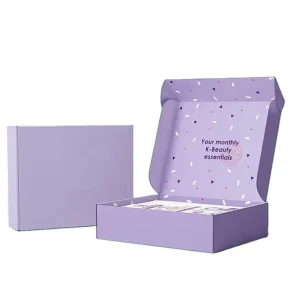
For high-end cosmetics and perfumes, we incorporate custom-engineered inserts (EVA foam, molded pulp, PET trays) paired with clean, reliable magnetic closures. This ensures both product protection and a premium unboxing experience for luxury brands.
To reduce sample approval times and lower structural failure rates, our engineering department provides rapid box styling. By using CAD drafting software and automated sample cutters, we can quickly turn around prototypes for testing. This quick feedback loop helps packaging buyers test fitment, assess assembly speeds on their production lines, and run drop-tests before committing to full production runs.
How we are preparing our cardboard manufacturing processes to meet upcoming regulatory, environmental, and performance demands.
Transitioning away from plastic lamination by introducing biodegradable, water-based barrier coatings. This ensures food-contact containers (like takeaway and pastry boxes) remain fully recyclable while providing excellent resistance to oil and moisture.
Integrating real-time closed-loop color scanning across our KBA and Heidelberg offset presses. This automation measures and adjusts ink levels inline, keeping color variation to a minimum throughout high-volume runs.
Integrating RFID tags and printing high-definition unique serializations (QR, DataMatrix) directly onto luxury rigid boxes. This provides brands with reliable supply chain tracking and anti-counterfeiting security.
Get answers to common technical, manufacturing, and logistical questions about our custom cardboard printing services.
Discover our specialized food-grade containers and luxury retail shopping bags, engineered for durability and reliable performance.

 Doton Printing