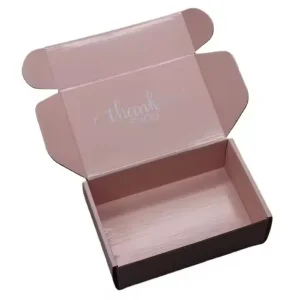
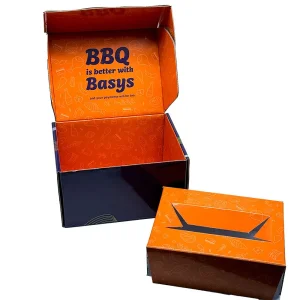
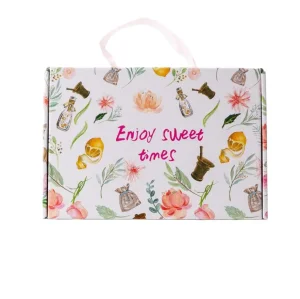
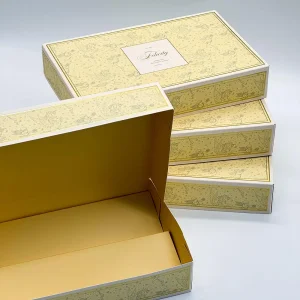
Explore our premium range of custom manufactured boxes, paper carriers, and food packaging containers engineered for immediate global delivery.
Decarbonization, Regulatory Compliance, and Structural Design Optimization in Modern Food-Grade Paper Carrier Systems.
In the contemporary food service and bakery packaging landscape, the demand for white bakery bags has transcended mere cosmetic appeal. As global regulatory bodies enforce strict guidelines regarding single-use plastics and chemical safety, food brands are compelled to seek ODM White Bakery Bags Manufacturers & Suppliers capable of delivering certified, high-performance paper solutions. The primary driving force is the elimination of per- and polyfluoroalkyl substances (PFAS) commonly used for grease resistance, replacing them with proprietary bio-wax, PLA coatings, or water-based dispersion barriers.
Furthermore, international targets such as the European Union’s Single-Use Plastics Directive (SUPD) and various state-level mandates in North America have accelerated the transition toward fully compostable and recyclable paper bag architectures. Standard white bakery bags are no longer simple sheets of bleached kraft; they are multi-layered, engineered systems designed to control moisture transmission, preserve product freshness, and prevent structural degradation from hot, greasy baked goods.
For enterprise procurement managers, evaluating a supplier's material science capabilities is vital. The standard measure of oil and grease resistance in paper packaging is the 3M Kit Test (TAPPI T 559). Level 1 indicates minimal grease barrier capacity, whereas Level 12 represents maximum resistance to aggressive oils. ODM manufacturers must precisely tune their barrier application based on the intended food contact application.
To maintain the white, clean look of premium bakery bags, suppliers utilize high-brightness bleached kraft paper with typical grammages ranging from 40 GSM to 80 GSM. When window features are requested for retail visibility, manufacturers replace conventional petroleum-based OPP films with highly transparent, compostable PLA (Polylactic Acid) window films or super-calendered Glassine Paper, rendering the entire bag 100% biodegradable in municipal composting facilities.
| Material Classification | Grammage Range (GSM) | Barrier Coating Type | Compostability Status | Best Application Scenarios |
|---|---|---|---|---|
| Standard Bleached Kraft | 40 - 60 GSM | None / Lightweight Starch | Home & Industrial Compostable | Dry bread, baguettes, non-greasy pastries |
| Greaseproof White Paper | 50 - 70 GSM | Fluorochemical-Free Dispersion | Recyclable & Industrial Compostable | Croissants, donuts, cookies, buttery pastries |
| PLA Window Laminated | 60 - 80 GSM + 15µ PLA | PLA Film Lamination | Industrial Compostable Only | Sourdough loaves, decorated cupcakes, displays |
| Glassine Window Bag | 45 - 55 GSM (Body/Window) | Super-Calendered Cellulose | Home & Industrial Compostable | 100% plastic-free artisanal bread, cookies |
The manufacturing ecosystem in South China, particularly the industrial printing clusters in Guangdong (such as Zhuhai), provides unmatched structural advantages for international brands looking to secure reliable packaging supplies. The combination of advanced machinery, localized supply chain integration, and precision engineering makes Chinese factories the ideal partners for large-scale ODM (Original Design Manufacturer) and OEM (Original Equipment Manufacturer) requirements.
Key manufacturing advantages include:
Utilizing high-end offset and flexographic printing systems, such as brand new KBA (Koenig & Bauer) and Heidelberg machines, ensures vibrant, high-resolution branding using eco-friendly, food-grade soy inks.
Automated inline inspection systems monitor adhesive placement, bag dimensions, and printing registration in real time, guaranteeing consistent quality across millions of units.
Chinese factories are highly experienced in conforming to international regulations including FDA 21 CFR 176.170, European EC No. 1935/2004, BRCGS Food Safety, and FSC (Forest Stewardship Council) chain of custody tracking.
Furthermore, Chinese factories excel at rapid product development. Leveraging advanced CTP (Computer-to-Plate) technology, engineers can translate digital designs into physical samples within 48 to 72 hours. This speed-to-market is critical for bakery chains launching seasonal promotions or redesigning their packaging formats to align with modern consumer expectations.
The requirements for custom white bakery bags vary significantly by region and business scale. B2B buyers must work with suppliers who understand these localized nuances:
Zhuhai Doton Printing: Delivering Professional-Grade Global Packaging Solutions Since 2009.
Established in 2009, Zhuhai Doton Printing has grown to become one of China's premier and highly professional packaging manufacturers. With a solid foundation of 17 years of experience in the printing and packaging industry, we specialize in high-quality paper boxes, corrugated cartons, luxury gift boxes, and custom paper shopping bags. Our high-performance packaging is trusted and widely utilized across diverse industries, including food, wine, cosmetics, jewelry, toys, and garments.
A primary driver of our success in competitive international markets is our unwavering focus on material quality and research and development. To support ecological conservation and brand sustainability goals, we exclusively use FSC-certified papers, recycled materials, soy-based inks, and clean environmental raw materials.
To deliver superior printing resolution and flawless color consistency, Doton utilizes advanced direct CTP (Computer-to-Plate) prepress technology. The core of our production facility is powered by brand-new, high-speed KBA printing machines, ensuring we meet and exceed the most demanding quality and design specifications.
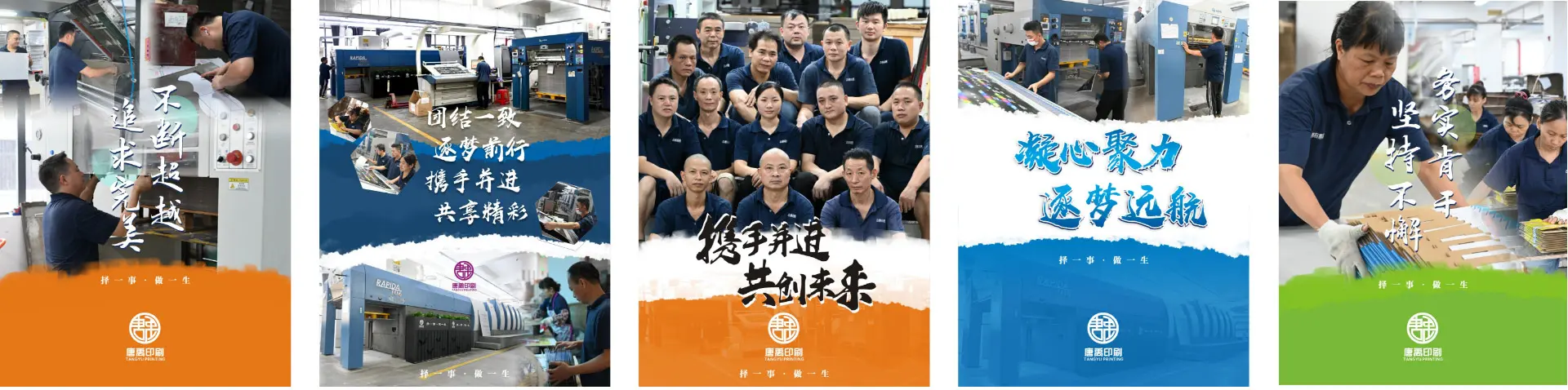

Doton operates with a robust monthly capacity of over 1 million boxes/bags, backed by a comprehensive array of automated post-press equipment. Our machinery includes high-precision film laminating machines, foil stamping equipment, automatic die-cutters, paper mounting units, and automated box/bag pasting lines.
Technical and procurement insights regarding custom white bakery bag manufacturing and food-grade safety standards.
To achieve oil and grease resistance without using harmful PFAS chemicals, modern manufacturers apply water-based barrier dispersions or integrate natural starches and mineral components. This treats the paper fibers to resist fats and oils, maintaining a clean outer appearance even when packaging greasy items like donuts and croissants.
It depends on the window material. Bags made with conventional plastic (OPP/PET) windows must have the window removed before recycling or composting. However, when we manufacture ODM window bags, we use certified biodegradable PLA (Polylactic Acid) or semi-translucent Glassine paper, allowing the entire bag to be industrially composted or recycled.
Our raw materials, including papers, barrier coatings, and printing inks, undergo regular third-party testing (SGS/TUV) to confirm compliance with European EC No. 1935/2004 and FDA 21 CFR regulations. All items are printed using non-toxic, eco-friendly soy inks, ensuring zero chemical migration into food contents.
For fully customized ODM white bakery bags featuring bespoke sizes, shapes, and multi-color flexographic printing, our standard MOQ is 30,000 units. Smaller custom runs may be accommodated depending on standard sizes and existing production runs.
Yes. We can apply a localized, heat-sealable polymer or dispersion coating to the inner lip of the bag. This enables bakery chains to use standard heat-sealing equipment to seal the bags, providing tamper-evident packaging for third-party food delivery services.
Virgin kraft paper is made directly from wood pulp, offering maximum tensile strength and guaranteed purity for direct food contact. Recycled kraft paper, though highly eco-friendly, is generally reserved for secondary packaging (like outer bags and carrier boxes) due to strict regulations regarding potential trace contaminants in recycled fibers.
Review our specialized boxes, folding cartons, and carrier bags built to handle demanding retail and delivery conditions.
 Doton Printing