FSC-Certified and Food-Grade custom packaging fabrications manufactured to precise engineering tolerances
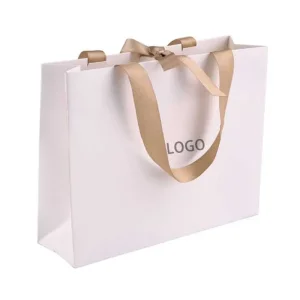
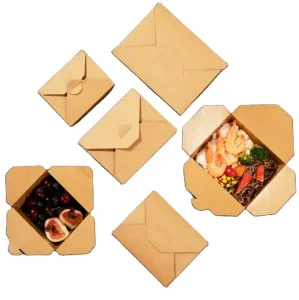
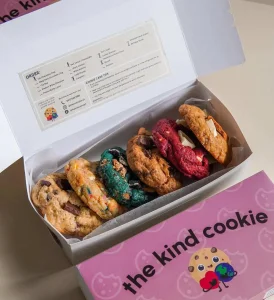
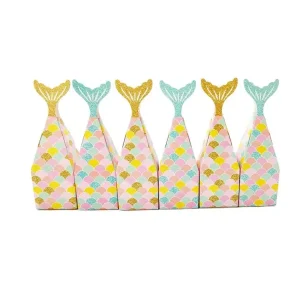
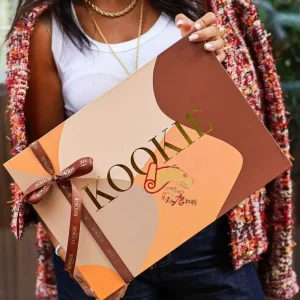
Established in 2009, Zhuhai Doton Printing has evolved into a leading and highly specialized OEM/ODM food-contact and secondary packaging manufacturer in China. We operate a highly automated facility designed to deliver reliable performance for industries where structural integrity, strict regulatory compliance, and pristine graphics are absolute requirements.
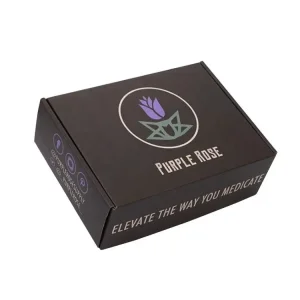
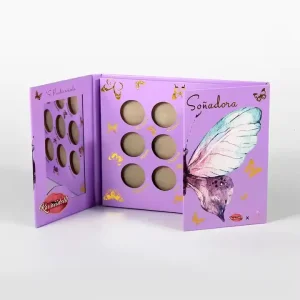
Our core manufacturing programs focus heavily on paper boxes, high-durability corrugated boxes, luxury gift packaging, and retail carrier bags. These solutions are deployed worldwide across demanding industries including gourmet food, wine & spirits, cosmetics, jewelry, toys, and luxury apparel. What distinguishes Doton in a competitive global market is our uncompromising focus on advanced material research, eco-friendly barriers, and automated production consistency.
All cellulose-based raw materials are sourced from sustainably managed, FSC-certified forests. We strictly employ soy-based, low-VOC vegetable inks, biodegradable coatings, and recycled components to ensure that client packaging meets local green regulations without sacrificing tensile strength or high-resolution graphic reproduction.

Engineered offset and flexographic printing lines ensuring micro-level color matching stability
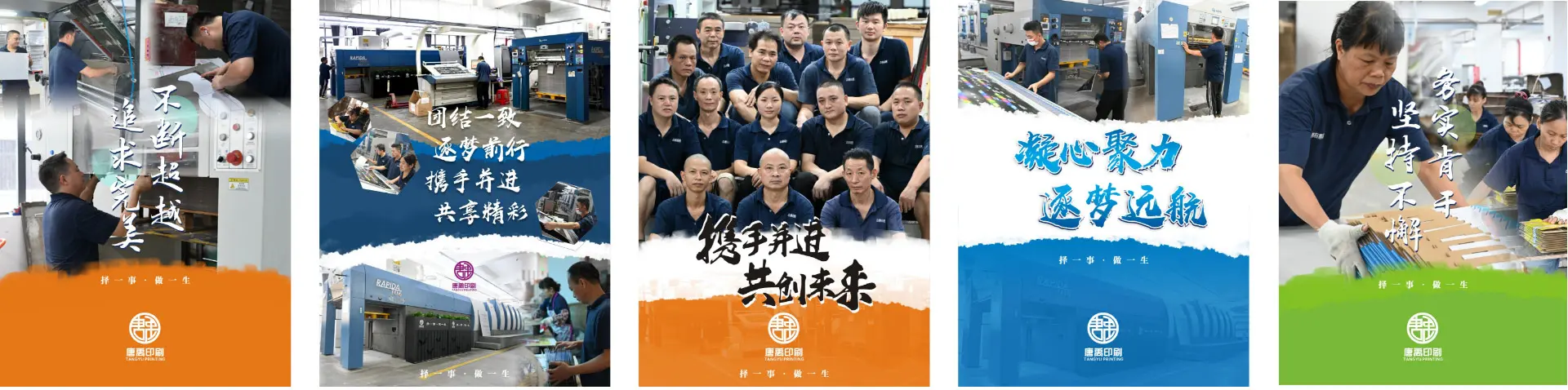
Our printing process uses advanced CTP (Computer-to-Plate) technology, which transfers artwork vectors directly to aluminum plates. This direct workflow eliminates intermediate steps, preventing registration drift and preserving fine lines and gradients.
On the pressroom floor, we operate high-performance KBA and Heidelberg offset presses. These machines are integrated with automated closed-loop spectrophotometers that constantly monitor ink density. This guarantees that your brand's specific colors are reproduced consistently across production runs, whether you are ordering 5,000 retail boxes or 500,000 corrugated cases.
After the sheets leave the delivery end of the press, they pass through a series of automated finishing machines, minimizing manual handling and reducing unit costs:
How localized supply chain integration translates to significant cost savings and faster lead times
Located in the heart of China's primary printing hub, we enjoy direct access to paper mills and chemical suppliers. This eliminates regional middleman fees and ensures reliable availability of SBS, Kraft, and greyboard, even during global market shifts.
Our structural designers develop flat-pack layouts optimized to reduce volume for international shipping. By optimizing shipping footprint configurations, we help clients lower their ocean freight costs by up to 20%.
Every step of production is monitored by in-house quality inspectors, checking structural glue bonds, print registration, and surface abrasion. This proactive quality control prevents costly product returns and distribution delays.
In global food supply chains, food packaging does more than display branding—it serves as a critical barrier protecting products from external contamination while preventing chemical transfer. Food packaging materials must be strictly evaluated to ensure they do not alter food flavor or migrate harmful compounds into the product.
At Zhuhai Doton Printing, we understand the regulatory challenges our clients face. We stay current with international safety standards, ensuring that every batch of paperboard and barrier packaging complies with local laws in our export destinations, including the US, EU, and Asia-Pacific regions.
| Regulatory Jurisdiction | Standard Reference | Compliance Focus Areas | Validation Protocol |
|---|---|---|---|
| United States (FDA) | FDA 21 CFR §176.170 / 176.180 | Paper and paperboard in contact with aqueous and fatty foods. Limit of migrating substances. | Third-party laboratory chemical migration extraction analysis. |
| European Union | EC No. 1935/2004 & EU No. 10/2011 | MOSH/MOAH mineral oil barriers, sensory neutral print surface coatings. | GC-MS ink trace assessment, organoleptic sensory testing. |
| Germany (BfR) | BfR Recommendation XXXVI | Extractable heavy metals, chemical slimicides, and color transfer. | Strict limits on hot-water extractable chemical residues. |
| Global Forestry | FSC-STD-40-004 | Traceability of wood pulp back to legally harvested, sustainable forests. | Annual chain-of-custody audits and verification. |
A primary challenge in custom printed food packaging is ink migration, where chemical components from printed inks transfer to the food-contact side of the sheet. This occurs via two main pathways: set-off migration (which happens when sheets are wound in rolls or stacked in piles after printing) and vapor-phase migration (where volatile organic compounds evaporate and condense onto the food-contact side).
To eliminate these risks for dry, moist, and fatty foods, we run vegetable-based soy inks on our food packaging lines and use water-based overprint varnishes (OPV). By replacing traditional mineral-oil solvents with organic alternatives, we ensure the packaging remains sensory-neutral, protecting your product's flavor profile.
The global food industry is shifting away from single-use plastics toward renewable, fiber-based solutions. Major food brands face pressure to adopt materials that fit into a circular economy. At Doton, we help brands transition by offering:
Our structured workflow ensures design accuracy, material performance, and timely delivery
We analyze your product weight, shipping stress, and dimensions to generate a 3D CAD dieline and send a physical sample for testing.
Digital artwork is prepared using ISO color profiles and output via CTP imaging, ensuring dot gain calibration for fine gradients.
Our KBA and Heidelberg presses output crisp graphics, backed by automated spectrophotometer density adjustments.
Sheets are automatedly die-cut, folded, glued, palletized, and shrink-wrapped, preparing them for overseas container transit.
Answers to common technical, regulatory, and logistics questions from our procurement partners
Explore more of our custom boxes, eco-friendly retail carriers, and gift packaging options
 Doton Printing