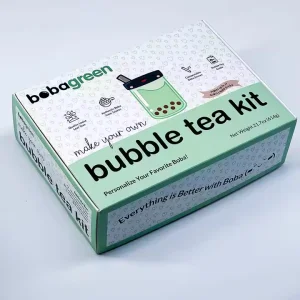
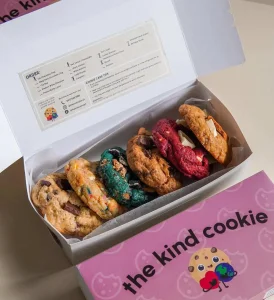
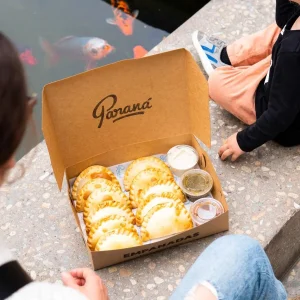
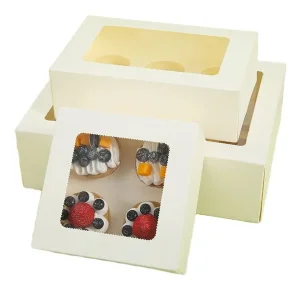
Industrial transitions, material circularity, and regulatory frameworks shaping the supply chains of FMCG, luxury goods, and foodservice.
In the modern global supply chain, custom OEM retail packaging has transitioned from a simple container utility to a core metric of brand equity, structural logistics performance, and environmental compliance. Today's brands face a dual challenge: they must engineer secondary and tertiary packaging capable of surviving complex multi-channel shipping workflows while simultaneously meeting strict global regulatory standards regarding recyclability and carbon footprint reduction.
With regions such as the European Union enforcing the Packaging and Packaging Waste Regulation (PPWR), and various US states implementing Extended Producer Responsibility (EPR) laws, packaging is no longer just a design choice. It is a critical compliance item. Global brands are shifting away from petroleum-based polymers toward high-barrier engineered cellulose, FSC-certified paperboard, and monomaterial structures that ensure compatibility with local circular waste infrastructures.
Compliance dictates operational parameters. Businesses must navigate strict food-contact laws, FSC validation pathways, and waste reduction directives across regions to maintain continuous market entry.
Transitioning to monomaterial construction, biodegradable water-based coatings, and Post-Consumer Recycled (PCR) options ensures packages integrate seamlessly into local recycling infrastructures without performance loss.
Structural validation protects goods during transit. Incorporating modern geometric patterns, optimal flute structures, and compression-tested cardboards reduces material volume while maximizing protection.

Bridging design vision with manufacturing reality through precision machinery and sustainable engineering.
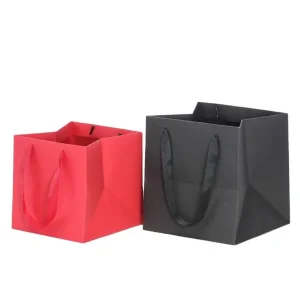
Established in 2009, Zhuhai Doton Printing has grown into a leading developer of high-performance packaging components. Operating with specialized manufacturing systems, the facility produces top-tier paper boxes, corrugated cartons, luxury rigid gift setups, and custom paper shopping bags. These systems serve crucial markets including food, cosmetics, luxury goods, toys, and retail fashion.
At Doton, quality and structural consistency are managed through clean production inputs and modern equipment. By utilizing FSC-certified paperboard, PCR base materials, and soy-based inks, Doton ensures that the carbon output of clients' packaging matches their environmental policies. Additionally, utilizing direct-to-plate Computer-to-Plate (CTP) systems optimizes prepress setups, helping transition digital artwork to physical tooling without distortion or registration shifts.
Understanding basis weights, structural geometries, and surface finishing technologies for high-volume OEM manufacturing.
When engineering bespoke packages, selecting the correct paperboard and density is crucial. Material densities vary from lightweight 250G SBS (Solid Bleached Sulfate) to heavy-duty 400G Kraft liners, each offering unique physical properties. Structural choices must account for tensile strength, bursting resistance (Mullen test rating), and edge crush resistance (ECT) to protect contents throughout the distribution cycle.
Providing high-load structure using single, double, or triple wall E, F, and B-flutes. Perfect for transit shipping systems and heavy food containers.
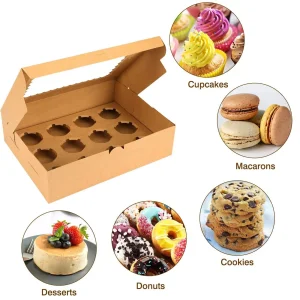
Integrating eco-friendly water-based (aqueous) and bio-polymeric grease barriers. Essential for hot takeaway containers, bakery boxes, and high-grease foods.
Using high-speed KBA and Heidelberg offset presses to maintain precise alignment, color fidelity, and structural cutting accuracy across high-volume production runs.
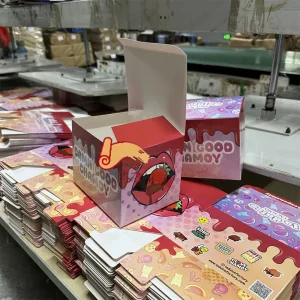
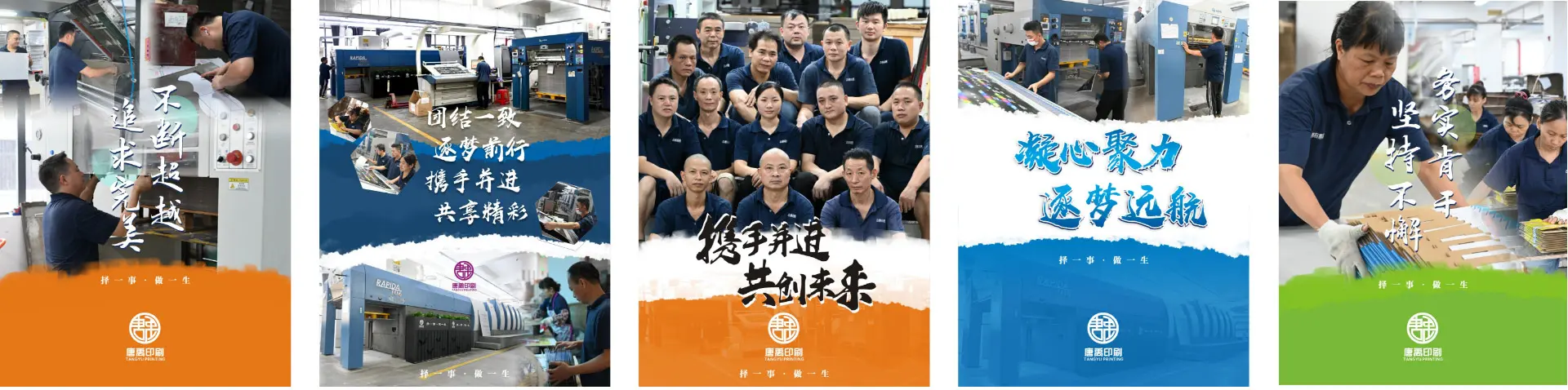
To scale operations to over a million boxes per month, our post-press processes are automated to prevent manual assembly bottlenecks. Automatic film laminating, foil stamping, precision die-cutting, and auto-gluing machines work together to ensure that each unit matches the approved structural master.
This automated approach minimizes variance, which is critical for automated packers and pick-and-place packaging systems. By standardizing structural cuts down to the millimeter, we prevent line stoppages at your packaging facilities, helping lower your Total Cost of Ownership (TCO).
Adapting packaging designs to meet specific cultural, environmental, and structural needs across global markets.
Retail packaging must adapt to the regional context of its target market. Different regions present distinct logistics challenges, regulatory requirements, and consumer preferences. To address these variations, Doton engineers tailored solutions for our global clients:
Designed to handle high humidity and grease from traditional hot takeaway foods like Hummus, Mansaf, and Samosas. These containers use heat-retaining structures with grease-resistant barrier coatings to prevent structural softening during transport.
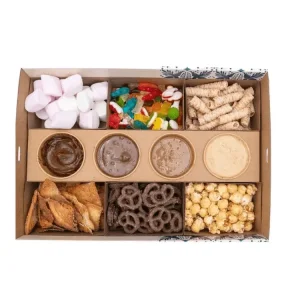
Focuses on high-fidelity visual presentation and eco-friendly compostability. Features extra-wide base designs, food-grade virgin paper construction, and plastic-free viewing windows to meet European waste reduction targets.
Designed for cosmetics, luxury goods, and electronics. Employs thick rigid chipboards, crisp embossed details, foil stamping, and precise internal inserts to create a premium unboxing experience that supports the brand's positioning.
A technical guide to developing your Requests for Quotes (RFQs) to secure pricing accuracy and minimize design risks.
Developing custom packaging requires precision. Estimating costs based on loose specifications can lead to pricing adjustments during production. To keep quotes accurate, procurement teams should follow this step-by-step design checklist:
Working directly with an integrated manufacturing partner like Zhuhai Doton Printing helps streamline this stage. By managing both the structural design and offset production in-house, we reduce errors and ensure the final physical package matches your initial design concept.
Industrial Insights on MOQ, Food Safety, Logistics, and Custom Packaging Manufacturing
 Doton Printing