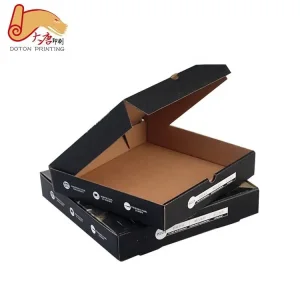
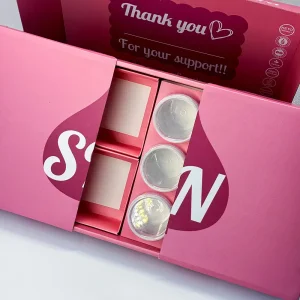
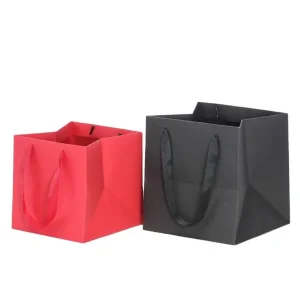
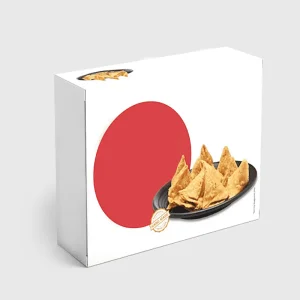
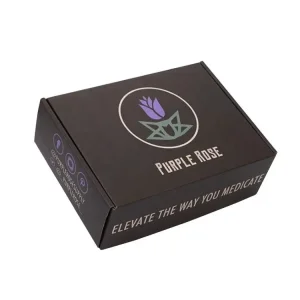
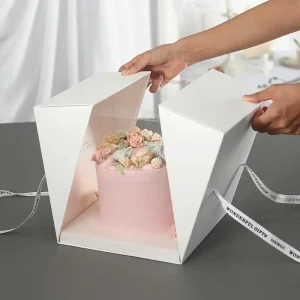
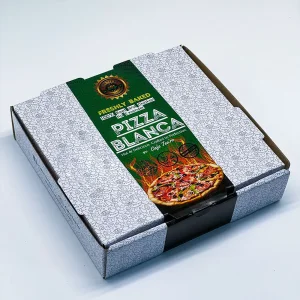
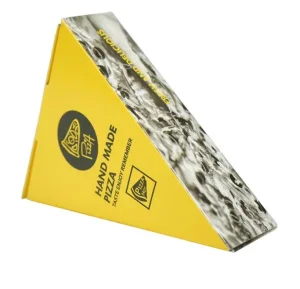
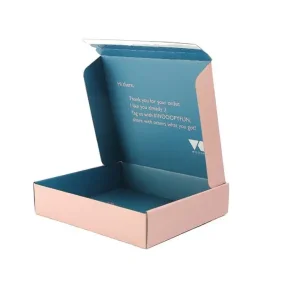
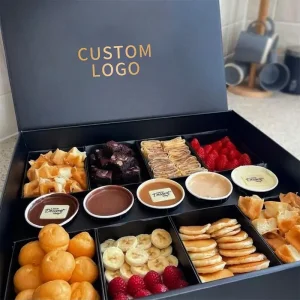
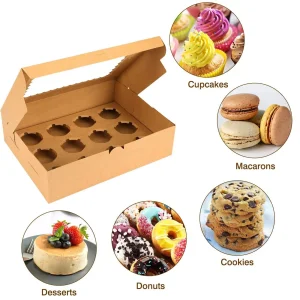
Explore our foundational range of rigid containers, specialty food grade structural boxes, and high-performance shipping packaging engineered to specifications.
Years Engineering Expertise
Monthly Capacity (Units)
FSC Certified Materials
Structural Precision Tolerance
Rigid boxes—historically synonymous with structural durability and premium branding—have transitioned from traditional visual showcases to critical elements of downstream product integrity and supply chain defense. In the current global industrial complex, OEM Rigid Box Manufacturers act as primary enablers for consumer electronics, high-end spirits, premium cosmetics, luxury jewelry, and gourmet bakery sectors.
The contemporary rigid box is defined by its non-collapsible cardboard construction, consisting of thick, heavy-duty chipboard (ranging typically from 800 to 2400 GSM) wrapped in premium specialty, textured, or coated litho-printed paper. This structural configuration delivers superior stacking strength, edge protection, and structural integrity compared to standard folding cartons, rendering them ideal for direct-to-consumer premium shipping formats and retail applications.
Globally, manufacturers are adapting to intense environmental demands, leading to a profound transformation in structural base materials. Rigid board formulations are shifting toward 100% post-consumer waste (PCW) recycled greyboard, paired with solvent-free water-based adhesives. As Google’s Search Quality Rater Guidelines emphasize real-world expertise and trustworthiness (E-E-A-T), sourcing decisions are increasingly resting upon verified material supply chains and certifiable engineering competencies.

Aligning structural engineering and surface finishing with specific downstream industrial applications.
Double-wall construction utilizing precision V-grooving algorithms to establish sharp 90-degree outer edges. Coupled with high-density EVA foam and custom thermoformed bio-based pulp inserts for internal product stabilization.
Rigid telescoping boxes engineered with anti-static structural chipboard (ESD-protective properties). Designed with controlled air-release clearances to generate a premium, pneumatic vacuum-opening experience.
FDA-compliant barrier coatings integrated into SBS (Solid Bleached Sulfate) liners. Formulated to resist structural degradation from grease and condensation, specialized for premium pastry, chocolate, and boutique wine presentation.
Standard material engineering thresholds used by OEM rigid boxes manufacturers globally.
| Chipboard Grade (GSM) | Thickness (mm) | Recommended Wrapping Paper | Key Downstream Use Case | Structural Load Limit (Static) |
|---|---|---|---|---|
| 800 - 1000 GSM | 1.2 - 1.5 mm | 120 GSM Art/Woodfree Paper | Small Jewelry Cases, Luxury Cosmetic Tubes | Up to 3.5 kg |
| 1200 - 1400 GSM | 1.8 - 2.1 mm | 128 - 157 GSM Art Paper / Specialty Paper | Mobile Devices, Gourmet Chocolate Collections | Up to 8.0 kg |
| 1600 - 2000 GSM | 2.4 - 3.0 mm | 157 GSM Premium Litho Wrap | Heavy Spirit Decanters, Deluxe Footwear, Electronics Kits | Up to 15.0 kg |
| 2400+ GSM | > 3.5 mm | Custom Coated Craft / Heavy Textured Paper | Industrial Display Kits, Large Vault-style Presentation Boxes | Up to 25.0 kg+ |
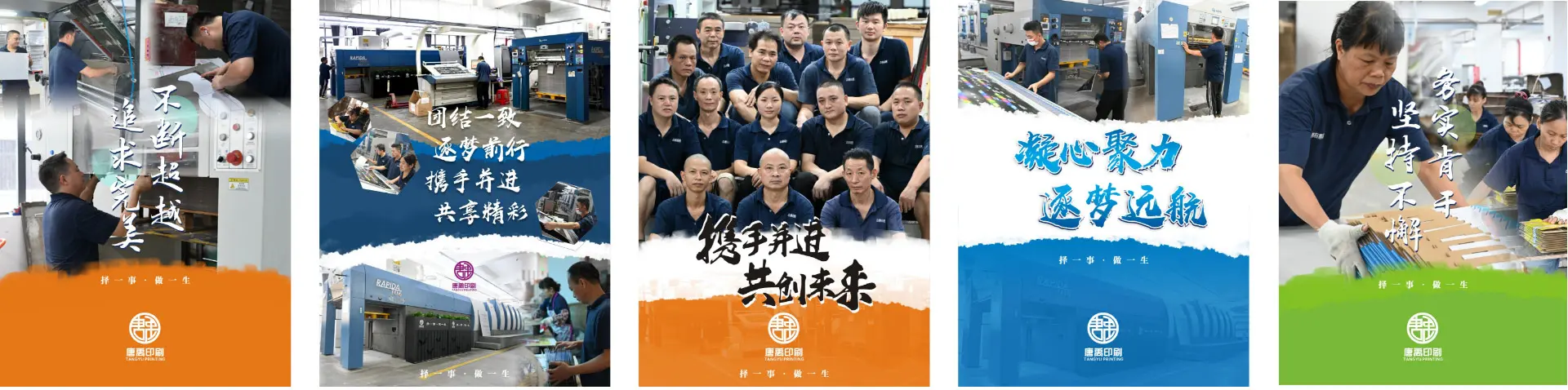
Established in 2009, Zhuhai Doton Printing is recognized as one of the leading and professional packaging manufacturers in China. Over the past 15+ years, we have specialized in the high-fidelity engineering and production of paper boxes, corrugated boxes, rigid gift boxes, and premium paper shopping bags. Our packaging solutions are widely deployed across the global food, wine, cosmetic, jewelry, toy, and garment industries.
Our market leadership rests on a core corporate strategy: continuous material R&D coupled with strict process engineering. We are deeply committed to sustainable forestry and raw material stewardship, actively utilizing FSC paper, post-consumer recycled fiber board, eco-friendly soy inks, and biodegradable coatings. This ensures all finished rigid boxes satisfy international regulatory criteria, including CE certifications and domestic waste minimization acts.
To maintain industry-leading color fidelity and sharp typographic resolution, Doton leverages an advanced digital Computer-to-Plate (CTP) workflow, bypassing intermediate steps to transfer design files directly to metal printing plates. Printing is executed on brand-new, high-efficiency KBA offset printing presses. Supporting a production throughput of over one million boxes per month, our post-press operations are fully integrated. Our facility features automated film laminators, precision hot foil stamping lines, high-speed die-cutting machines, paper mounting systems, and automated box gluing lines.
Why Tier-1 global brands partner with Doton Printing for complex OEM/ODM rigid box requirements.
Over 15 years of dedicated packaging design, technical structural drawing, and customer-first fulfillment experience. We build boxes that prevent product damage and elevate unboxing touchpoints.
Equipped with state-of-the-art German KBA and Heidelberg offset presses, allowing for high halftone densities, strict PMS (Pantone Matching System) accuracy, and smooth gradations on complex substrates.
Deep-seated integration with Southern China's premium raw paper mills and accessory fabricators. This guarantees consistent material access, price insulation, and rapid turnaround times even during peak holiday periods.
We do not just print; we optimize. We coordinate direct flat-pack shipping, nested configurations, and regional warehouse dispatch strategies to dramatically lower freight costs and volume metrics.
From initial concept sketches and digital 3D renders to blank physical mockups, press runs, specialty laminations, box assembly, quality inspection, and custom packing. Zero fragmentation, full accountability.
The step-by-step industrial engineering sequence executed at Doton to ensure structural perfection.
Using CAD modeling software, structural engineers plot flat-profile dielines based on precise product dimensions. Standard factors like paper draw, material thickness allowance, and friction locks are calculated.
High-resolution artwork files are direct-imaged onto CTP plates. Digital contract proofs (GMG) are calibrated against press room characteristics to achieve exact color targets before the main run.
Using FSC-certified premium art paper or custom-coated wrapping stock, high-definition offset printing is executed. Multi-station inline densitometers actively monitor color uniformity across the run.
Includes spot UV application, deep embossing or debossing, hot foil stamping (metallic and holographic), and protective matte or gloss soft-touch film laminations to protect against surface scuffing.
Chipboard bases are grooved using automated V-slot cutters to achieve ultra-sharp corners. Wrapping papers are die-cut with tight registration margins to prevent edge show-through or misalignment.
Precision wrapping machines glue the printed sheets onto the pre-formed rigid board bases. Cold and hot melt adhesives are dynamically heated to prevent warp, air bubbles, or adhesive line separation.
Analyzing the intersection of regional regulatory frameworks, logistics requirements, and sustainability trends.
Historically, rigid gift boxes housed internal thermoformed plastic (PET/PVC) trays to secure delicate contents. Driven by the European Union's Packaging and Packaging Waste Regulation (PPWR) and strict EPR (Extended Producer Responsibility) schemes in North America, brands now require unified mono-material configurations. Doton has pioneered engineered corrugated partitions, folding SBS cradles, and molded paper pulp inserts that permit 100% kerbside recyclability without sacrificing structural drop performance.
Traditional rigid boxes are shipped pre-assembled, representing a high volumetric shipping cost (freighting empty air). Modern OEM manufacturers have resolved this with foldable rigid structures. By integrating custom magnetic tabs, double-sided adhesive strips, and score lines on structural board panels, these boxes ship entirely flat-packed to assembly facilities. They can be snapped into rigid, non-collapsible 3D containers within seconds at point-of-pack, reducing international freight storage and carbon output by up to 70%.
Rigid packaging is increasingly serving as an interactive link between physical assets and digital ecosystems. We integrate thin-film RFID chips, NFC tags, and high-contrast serialization QR codes into the inner wall lining of rigid boxes. This provides brands with anti-counterfeiting security, batch tracking, and direct-to-consumer digital touchpoints during the unboxing phase.
Answering crucial technical, structural, and procurement inquiries regarding rigid box manufacturing.
A1: Our standard MOQ for fully customized rigid packaging begins at 1,000 units per style/size. This threshold is determined by setup times on automated wrapping machinery, sheet-fed print runs, and custom tooling (die lines and hot foil plates) setup costs. Smaller runs can occasionally be accommodated for high-complexity luxury designs.
A2: We use advanced digital die-cutting machinery and high-precision V-grooving systems with tolerances controlled to within ±0.5mm. By sourcing high-density, uniform density greyboard and running automated inline vision checks, we ensure bases and lids fit together perfectly with controlled air resistance (pneumatic release).
A3: Yes. We use FSC (Forest Stewardship Council) certified paperboards, recycled greyboard bases, water-soluble starch adhesives, and soy-based inks. We offer clear compliance documentation to verify environmental claims for brands operating in highly regulated regions like the EU and USA.
A4: Blank structural dummy samples are typically produced within 2 to 3 days. Digital color proofs or physical wet proofs require 5 to 7 business days. Upon sample approval and design lock-in, mass manufacturing typically takes 15 to 22 business days, depending on custom finishing options and complexity.
A5: While standard rigid boxes are resilient, direct mailing usually exposes printed wrap papers to surface scuffs and corner impact damage. For direct-to-consumer e-commerce applications, we recommend double-wall rigid structures, protective sleeve boxes, or matching corrugated mailer boxes to protect the primary packaging during transit.
A6: OEM projects require us to fabricate packaging strictly to your predefined blueprints, CAD dielines, and printing specifications. ODM projects, conversely, leverage our internal engineering team, where you provide the physical product dimensions, weight, and target budget, and Doton designs the packaging structures from scratch.
Custom packaging solutions tailored to diverse industries, including bakery, confectionery, footwear, apparel, and holiday gift presentations.
 Doton Printing