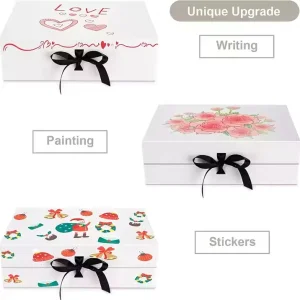
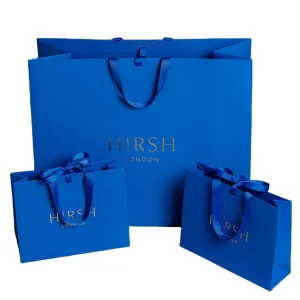
Explore our custom manufactured retail and logistics small cardboard box configurations designed for operational excellence.
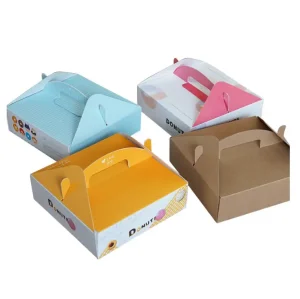
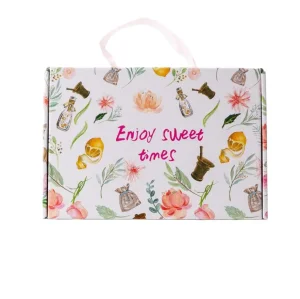
Critical intelligence for global procurement leads, supply chain planners, and product developers.
In the contemporary global trade ecosystem, the demand for OEM small cardboard packaging boxes is experiencing an unprecedented structural expansion. Driven by the exponential growth of D2C (Direct-to-Consumer) e-commerce, the miniaturization of high-value consumer electronics, and the cosmetic sector's pivot toward travel-friendly, sustainable formats, small cardboard structures are no longer treated as mere containment vessels. Instead, they are critical assets for margin optimization and customer retention.
Modern transit systems charge premiums based on volumetric weight (dimensional weight pricing). This reality has compelled global brand managers to abandon oversized packaging in favor of ultra-precise, custom-formed, and structurally sound small packaging boxes. Utilizing optimized cardboard configurations allows enterprises to minimize structural voids, reduce shipping overheads, and dramatically lower secondary void-fill reliance.
Establishing absolute trust and quality reliability (E-E-A-T) in packaging manufacture requires strict compliance with international mechanical and material standards. Standardized material tests—such as the Edge Crush Test (ECT) and the Bursting Test (Mullen Test)—guarantee that lightweight, small corrugated cardboard variants can endure dynamic pressures in global multimodal shipping lanes.
Acquiring FSC (Forest Stewardship Council) certification and integrating sustainable soy inks ensure that packaging supply chains align with the EU's Corporate Sustainability Due Diligence Directive (CSDDD) and similar global environmental regulations.
From raw board formulation to advanced litho-lamination and high-resolution optical checking.
Our engineering laboratory reviews target load weights, fragility metrics, and moisture exposures. We formulate boards using SBS (Solid Bleached Sulfate), Kraft, or CCNB (Clay Coated Newsback) between 250GSM and 450GSM. For protective enclosures, micro-flute corrugated cardboard (E/F-flute) is specified. High-precision CAD systems generate structural dielines to guarantee rapid folding integrity.
To eliminate color shifts and alignment errors, we utilize advanced Computer-to-Plate (CTP) imaging workflows. This system directly maps vectorized client artwork onto aluminum lithographic plates, ensuring a registration tolerance under 0.05mm. Color mapping matches the Pantone Matching System (PMS) to safeguard global brand uniformity.
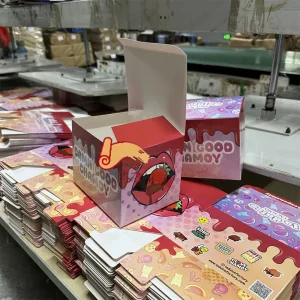
Production utilizes premium KBA (Koenig & Bauer) and Heidelberg offset printing machines. These systems apply precise ink densities using eco-friendly, soy-based inks. Offset lithography provides crisp text down to 4pt font—essential for the ingredient labels and regulatory safety icons required on small cosmetic, bakery, and medicine boxes.
Post-print, materials undergo automated surface treatment (aqueous, UV, or film lamination) followed by precise die-cutting. Embellishments such as spot UV, metallic foil stamping, and window patching are executed on inline high-speed finishing machinery. Automated folding and gluing lines process up to 50,000 units per hour, checking flap adhesives with photoelectric sensors to prevent unglued joints.
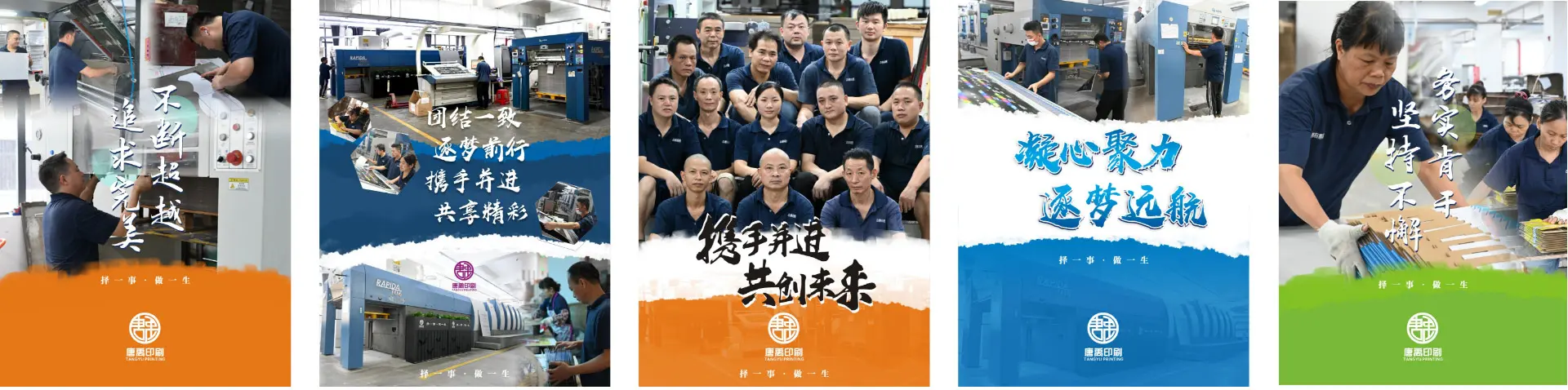

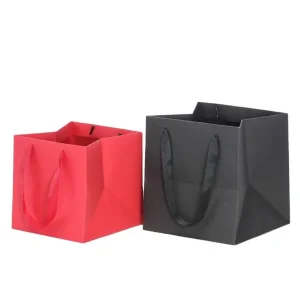
Established in 2009, Zhuhai Doton Printing is recognized as a leading, professional manufacturer of high-end paperboard packaging in China. Over more than 15 years, we have specialized in paper boxes, corrugated boxes, custom gift boxes, and paper shopping bags. Our high-precision packaging is widely adopted across the food, wine, cosmetic, jewelry, toy, and apparel industries.
Our leadership position in the competitive packaging industry stems from our rigorous focus on material research and technological development. We prioritize sustainability by integrating FSC-certified papers, post-consumer recycled substrates, and eco-friendly soy inks into our production lines.
Dedicated structural packaging engineers serving global enterprise accounts.
State-of-the-art lithographic arrays for fine detail and color control.
100% compliant with strict green procurement protocols.
One-stop design, print, assembly, and custom clearance logistics.
Tailoring material recipes and structural designs to meet specific vertical market demands.
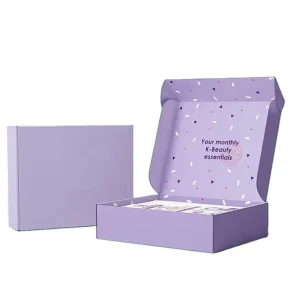
Small cosmetic formulations demand rigid paperboard (350g-400g SBS) with high-end finishes like spot UV, embossing, and soft-touch lamination. Internal custom pulp or paper inserts hold perfume bottles, creams, and lipsticks securely to protect them during transit.
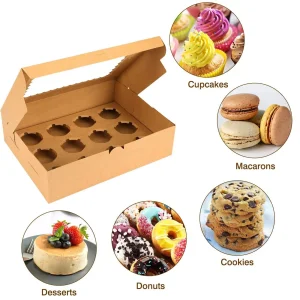
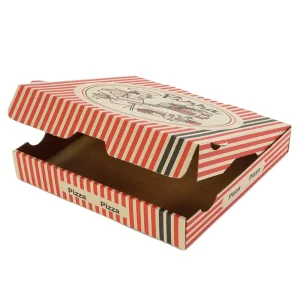
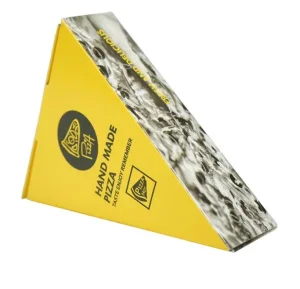
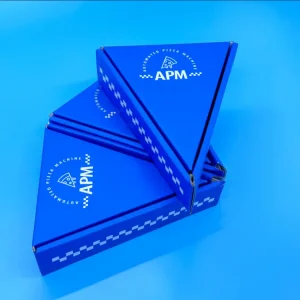
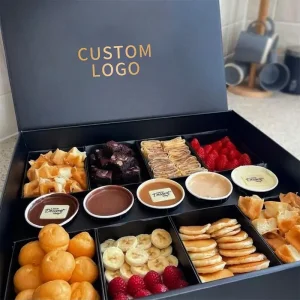
Food-grade barrier cards with PET/PLA moisture-resistant windows are engineered for cupcakes, macarons, sushi, and pizzas. Materials are certified direct-food-contact safe and greaseproof, preserving product quality from prep to delivery.
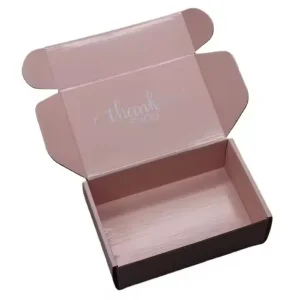
High-strength micro-corrugated mailer boxes featuring self-adhesive sealing strips and easy-open tear tabs. These structures are optimized for rapid warehouse pack-out speeds and secure, tape-free courier transit.
Deep technical answers to assist packaging engineers and purchasing executives in making informed procurement decisions.
Technical food containers, specialty packaging structures, and customized wholesale retail paper carriers.
 Doton Printing