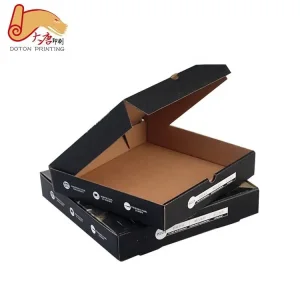
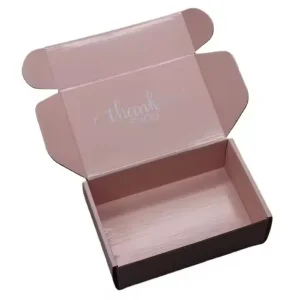
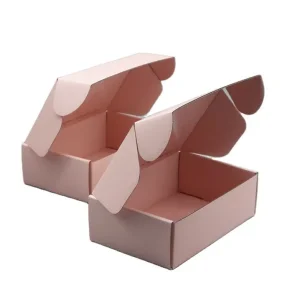
Explore our premium structural configurations designed for global distribution, retail display, and localized commercial systems.

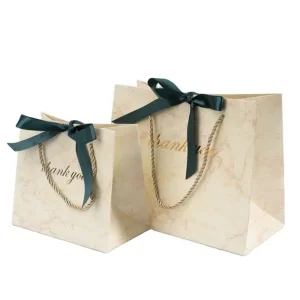
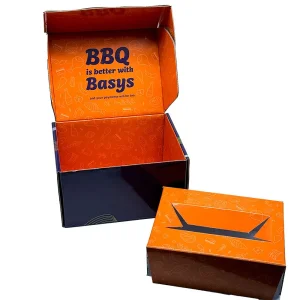
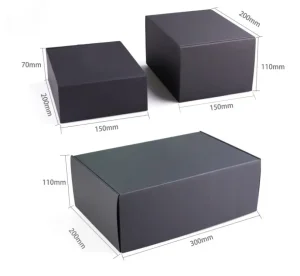
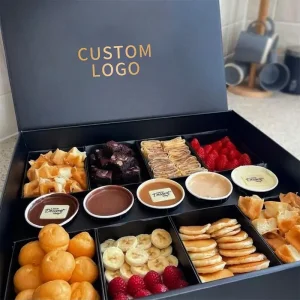
In the contemporary globalized logistics paradigm, OEM Small Cardboard Packaging has transitioned from a fundamental shipping vessel to a critical touchpoint of brand identity, high-precision product containment, and environmental stewardship. Micro-flute corrugated materials, high-density paperboard sheets, and specialized structural folding configurations dictate the efficiency and safety of global consumer goods. As downstream consumer expectations shift towards interactive and hyper-sustainable box systems, manufacturers must leverage state-of-the-art prepress engineering, automated offset lithography, and adaptive structural mechanics to yield high-integrity physical performance.
“Modern packaging is not merely a protection tool; it is the physical medium through which consumer intent, functional safety, and supply chain speed converge. Optimizing this matrix requires deep materials-science expertise and strict adherence to industrial standards.”
For high-value consumer electronics, fine cosmetics, gourmet food delivery, and luxury boutique products, the physical integrity of a box determines first-touch metrics and retail success. Unlike large outer cartons, small packaging is characterized by its tight dimensional tolerances (often within ±0.5mm) and optimized structural rigidity. Advanced materials like FBB (Folding Boxboard), SBS (Solid Bleached Sulfate), and micro-corrugated papers (such as E-flute and F-flute profiles) provide structural compression strength while reducing overall box weight, yielding substantial freight savings across international air and sea logistics channels.
Over a decade and a half of engineering custom package layouts, balancing paper density and structural rigidity for global markets.
State-of-the-art German sheetfed offset presses ensure high-resolution color management and micron-level registration accuracy.
One-stop production path: from CTP direct plate-making to automated die-cutting, lamination, and automated box gluing.
The manufacturing of OEM small cardboard packages requires strict adherence to physical performance targets. Modern specifications focus on board caliper, bursting strength, and moisture absorption parameters. Utilizing FSC (Forest Stewardship Council) certified virgin wood fibers, recycled post-consumer waste, and water-based barrier coatings, the raw material composition determines the ecological footprints and structural integrity of the finished boxes.
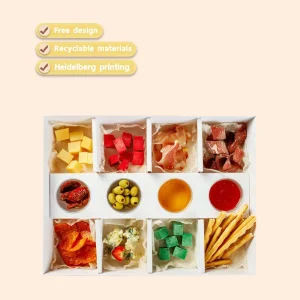
With global bans on single-use polyethylene (PE) laminations, our chemical technology division implements biological dispersion barriers. Using starch and bio-based PLA (Polylactic Acid) coatings, we supply moisture-resistant and greaseproof configurations suitable for gourmet food delivery, pastry containers, and sushi packaging. These aqueous coatings dissolve completely during standard paper mill repulping, eliminating plastic waste pathways.
| Paperboard Material Type | Density Range (GSM) | Key Mechanical Feature | Typical Commercial Application |
|---|---|---|---|
| Solid Bleached Sulfate (SBS) | 200 - 450 GSM | Ultra-smooth surface, pure white pulp core | Luxury cosmetics, fine perfumes, pharmaceutical packaging |
| Folding Boxboard (FBB) | 180 - 400 GSM | High stiffness-to-weight ratio, multi-layer fiber structure | Catering boxes, luxury retail tags, dry food containers |
| Recycled Kraft Liner (F/G-Flute) | 120 - 250 GSM (Flute) | Exceptional crush resistance and corner protection | E-commerce mailers, subscription box sets, heavy-duty electronics |
| Clay Coated News Back (CCNB) | 250 - 450 GSM | Cost-effective recycled structure with printable clay coat | Toy boxes, household hardware, mass-market retail boxes |
Optimizing the box layout directly scales production speed and lowers unit costs. Common structural profiles engineered in our CAD facility include:

From compliance-heavy European food systems to fast-paced North American e-commerce networks, small cardboard packaging adapts to localized consumer demands.
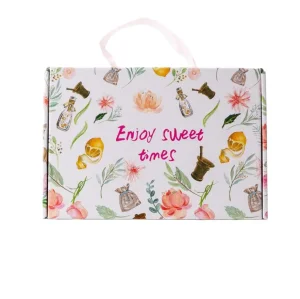
High-speed distribution demands self-seal mailer systems that bypass secondary tape steps, incorporating high-tensile fluting to survive sorting hubs without deformation.
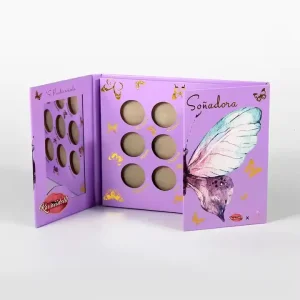
Featuring custom-molded interior pulp inserts, magnetic closing mechanisms, high-build UV spot finishes, and soft-touch laminations that highlight luxury products.
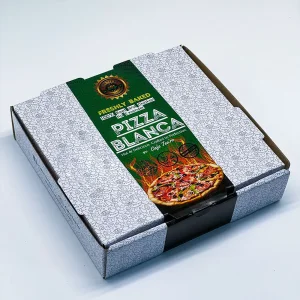
FDA-compliant and CE-certified grease-resistant configurations designed for direct contact, ensuring hot bakery goods maintain structural rigidity without dynamic sogginess.
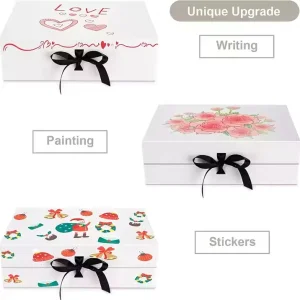
Engineered flat-pack folding structures featuring hot foil stamping and structural embossing to deliver high premium value with minimized warehousing fees.
Based in Zhuhai, China, Doton Printing optimizes the regional supply of industrial materials, precision manufacturing machinery, and deep packaging expertise. The proximity to paper mills, structural hardware suppliers, and major deepwater ports allows us to process high-volume OEM orders under tight lead times with extreme cost efficiency.
Our manufacturing complex integrates high-speed automated processes to minimize human error and ensure product consistency across production runs of up to millions of pieces monthly.
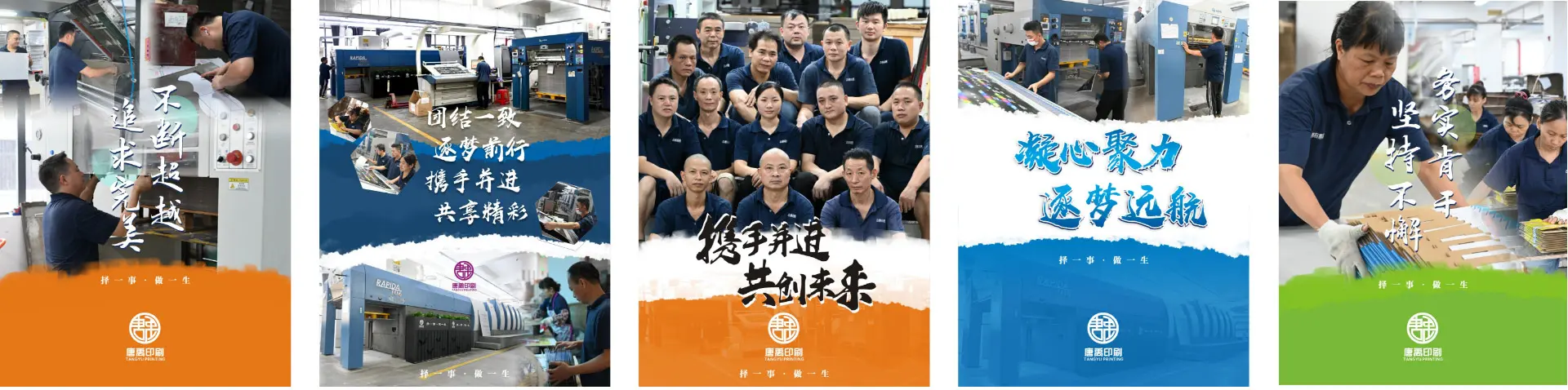
To operate seamlessly in strict markets like North America, the European Union, and APAC, custom OEM packaging must comply with diverse regional safety and trade criteria. Doton Printing implements rigorous inspection standards directly at the manufacturing line, checking raw material pulp, print stability, and physical resilience.
Before packaging is shipped to our clients, representative samples from each batch undergo structural testing:
Read detailed, professional answers to common questions about material choices, print finishes, and logistics management.
Our standard manufacturing run MOQ typically starts at 1,000 units per sizing variant. Higher volumes optimize unit costs on our Heidelberg and KBA high-speed offset printing presses, reducing setup charges and cutting waste per unit.
E-flute (1.6mm thickness) and F-flute (0.8mm thickness) corrugated boards are recommended for lightweight shipping. They offer clean structural protection and high puncture resistance while maintaining a slim outer profile that lowers postage fees.
Yes. Soy inks provide high-density pigments that create sharp, vibrant color fields with minimal dot gain. They contain low VOCs, simplifying recycling and meeting international environmental guidelines.
Our structural design team customizes box mechanics to fit your assembly lines. We can add auto-lock bottoms to speed up packing, or straight-tuck flaps to simplify high-speed automated packaging machines.
We use automated CTP plate-making paired with digital spectro-densitometers during press operations. This tracks color deviation (Delta E) to match your brand colors across all manufacturing batches.
We use water-based dispersion barriers and PLA linings. These coatings resist grease and moisture and are repulpable, making them easy to recycle within standard cardboard processing facilities.
Structural prototyping and CTP proofing take about 3 to 5 days. Full production runs take 10 to 15 business days depending on design complexity. Global shipping ranges from 5 to 7 days by air express, and 18 to 35 days by ocean freight.
We conduct drop tests, Edge Crush Testing (ECT), and bursting strength evaluations (Mullen test). This ensures our boxes withstand humidity, vibrations, and compression during long-distance transit.
Select from specialized designs, food-safe bento systems, and robust shipping boxes with clean tear-strip features.

 Doton Printing