The global logistics and catering industries are undergoing a massive transition from basic enclosure packaging to smart thermodynamic regulatory packaging. Under this paradigm, Box Ventit systems represent the cutting edge of ventilated packaging engineering. Designed specifically to resolve the delicate tension between warmth preservation and moisture dissipation, Box Ventit configurations protect both structural carton integrity and product freshness during long-distance delivery or storage.
Semantic Insight: Box Ventit structural engineering is defined by precise air exchange rates that mitigate humidity build-up without causing sudden drop-offs in interior thermal energy. This balance is crucial for hot food distribution, agricultural shipments, and delicate luxury commodities susceptible to humidity deterioration.
As fast-food delivery networks expand exponentially across the Americas, Europe, and Asia-Pacific, the demand for high-performance corrugated boxes with targeted ventilation has spiked. In the agricultural supply chain, moisture and heat are the main drivers of post-harvest product loss. Standard unventilated packaging seals in natural respiration gasses, causing rapid structural softening of the cardboard and subsequent fungal proliferation on organic goods.
For industrial applications, particularly precision electronics or high-value metal parts wrapped in protective coatings, humidity is a silent killer. Global shipping routes that traverse varying climate zones depend heavily on container-level venting, but micro-venting at the individual package level—known as Box Ventit dynamics—adds an indispensable layer of secondary environmental control.
A high-performance Box Ventit system is not merely a cardboard box with holes. It is an engineered assembly of materials, die-cut vectors, and physics-driven airflow channels:
In standard food and agricultural containers, internal humidity levels reach saturation (100% RH) within 4 minutes of sealing hot cargo. This leads to immediate structural degradation of the corrugated board (often referred to as 'box collapse') and ruins product texture. Under Box Ventit test conditions, internal relative humidity stabilizes at an optimal 75-80% RH, keeping food crisp while the cardboard retains its physical compression stiffness during delivery runs exceeding 45 minutes.
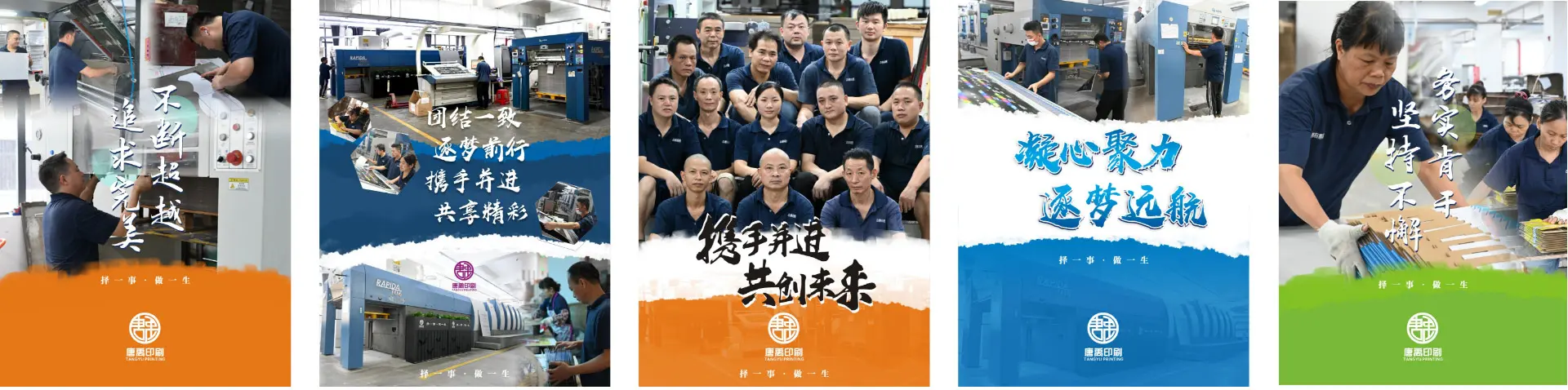
Established in 2009, Zhuhai Doton Printing is one of the leading and professional packaging manufacturers in China. Over 15 years of comprehensive package design and service experience.
Equipped with brand new high-end KBA and advanced Heidelberg offset printing machines to meet high-resolution quality standards, backed by computerized Direct CTP systems.
FSC-certified paper suppliers, recycled board raw materials, and organic soy ink inputs. Focused on reducing ecological footprints while delivering food-contact safe solutions.

Deep expertise in complex custom box layout design, thermodynamic modeling, and material compatibility calculations.
Quick turnaround times for custom box templates, structural prototypes, and custom print layouts matching both business and private brand clients.
Monthly production capacity exceeding 1,000,000 units. Full-range automated tooling: film laminators, foil stampers, automated die-cutters, and folding-gluing setups.
Stable labor assets and highly integrated logistics solutions ensuring door-to-door reliability for wholesale orders globally.
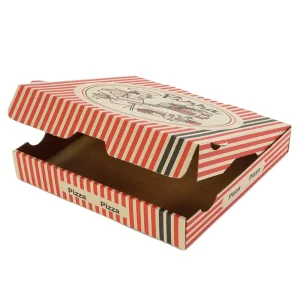
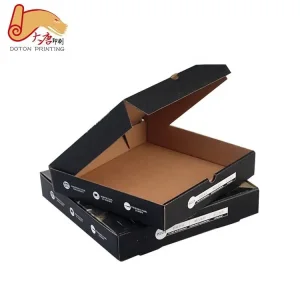
Hot, humid food products—such as traditional pizzas, warm sandwiches, and Middle Eastern staples like Hummus and Mansaf—quickly degrade standard paperboard containers. Our proprietary Box Ventit designs isolate steam outflow channels away from the structural corners of the box. This maintains stacking integrity when orders are stacked high in delivery bags or transit racks, preventing structural collapse during local motorcycle and car deliveries.
Berries, cut flowers, and leafy greens require continuous airflow to slow degradation. Ventit packaging structures are engineered to line up perfectly with regional pallet patterns. When stacked on standard Euro-pallets or industrial transport blocks, the vent patterns align perfectly, allowing forced-air cooling systems to chill produce quickly, extending shelf life by up to 3 days.
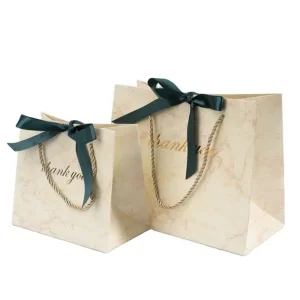
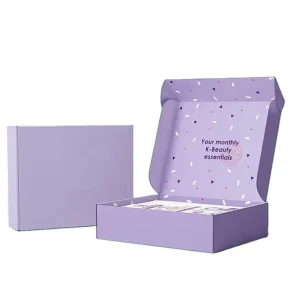
High-end ladies' lingerie, custom wedding dresses, and luxury gifts often utilize delicate silk linings and premium outer materials. Under humid ocean transport conditions, these materials are vulnerable to mold and damp odors. Integrating micro-vent layouts with protective inner membranes allows the boxes to breathe safely, protecting high-value products from damp harbor air during ocean transit.
The next generation of Box Ventit systems will integrate digital connectivity with sustainable materials. Zhuhai Doton Printing is actively researching biodegradable moisture-absorbing barrier coatings designed to function alongside mechanical vents. By combining physical ventilation holes with active starch-based coatings, tomorrow’s box will regulate humidity levels dynamically, adapting to changing external temperatures.
Additionally, we are testing custom RFID/NFC temperature logging sensors embedded directly into box flaps. This enables cold-chain logistics providers to read interior cargo humidity levels wirelessly without opening the package, guaranteeing complete compliance from factory floor to end-user.
A Box Ventit structure refers to a container with engineered ventilation pathways. It allows hot, humid air to escape from the box. This prevents moisture from absorbing into the paperboard fibers. The box retains its structural integrity, preventing the cardboard from softening and collapsing during transit.
Standard vent holes can weaken packaging if placed incorrectly. At Zhuhai Doton Printing, we use structural CAD software to place vent cutouts along non-load-bearing coordinates. This keeps vertical compression strength close to original levels, allowing boxes to be stacked safely on transport pallets.
Yes. We use FSC-certified pulp, recycled kraft paper, and organic soy-based inks. Our manufacturing processes conform to food packaging safety standards, ensuring that hot foods do not absorb toxic chemicals or odor-causing VOCs from the box under high heat.
Yes. We are an OEM/ODM factory. We offer complete custom branding, custom shape die-cuts, and diverse sizing options. Our plant is equipped with high-end KBA and Heidelberg offset presses to print high-resolution logos and custom branding layouts.

 Doton Printing