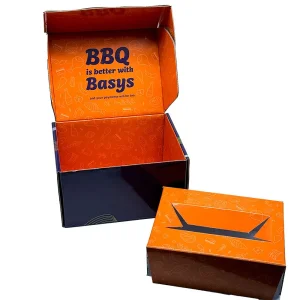
Explore custom structural alignments tailored for cross-functional cosmetic, retail, and premium delivery networks.
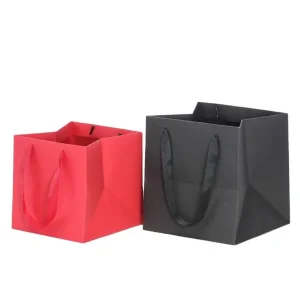
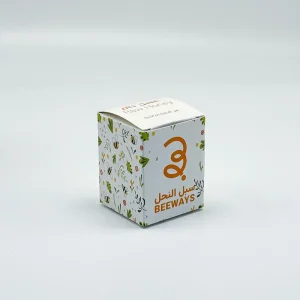
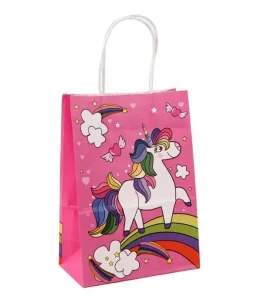
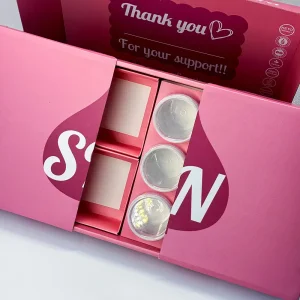
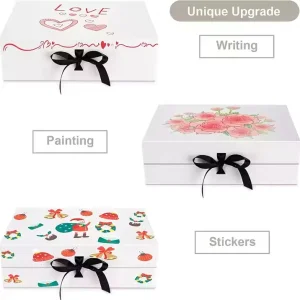
In the hyper-competitive beauty and personal care landscape, packaging serves as the physical nexus between brand equity and consumer perception. "Wholesale Cosmetic Boxes" are no longer viewed as mere vessels for transit; they are complex marketing interfaces, sensory touchpoints, and structural protectors that directly impact consumer conversion, retention, and brand sentiment. As global brands seek out reliable packaging partners, the search focuses heavily on structural versatility, precision printing capability, and verifiable eco-credential integration.
Modern B2B procurement professionals look for holistic design-to-delivery pipelines. Evaluating a cosmetic box supplier requires analyzing their raw materials, engineering capacity, environmental compatibility, and color consistency across complex substrates (rigid greyboard, sustainable SBS paperboard, and high-strength micro-flute corrugated materials).
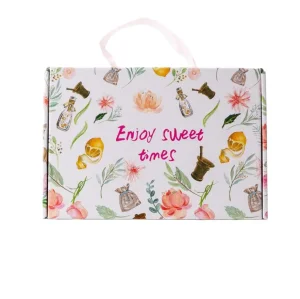
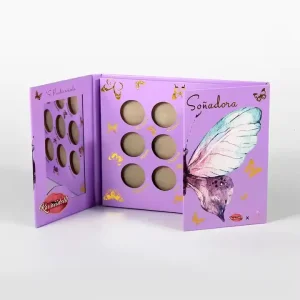
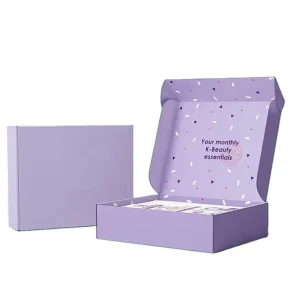
Cosmetic boxes span diverse configurations depending on the specific retail tier and functional demands of the product:

Achieving the tactile and visual contrast necessary for premium cosmetic retail shelves involves combining specific base elements:
1. Substrates: Choice of FSC-certified white paperboards, unbleached brown kraft (for clean, natural-focused brands), and metallized PET boards that create highly reflective metallic surfaces.
2. Finishes and Coatings: Applying soft-touch matte lamination, UV spot coatings, metallic hot foil stamping (gold, rose gold, silver, holographic), and detailed embossing/debossing to create physical relief patterns.
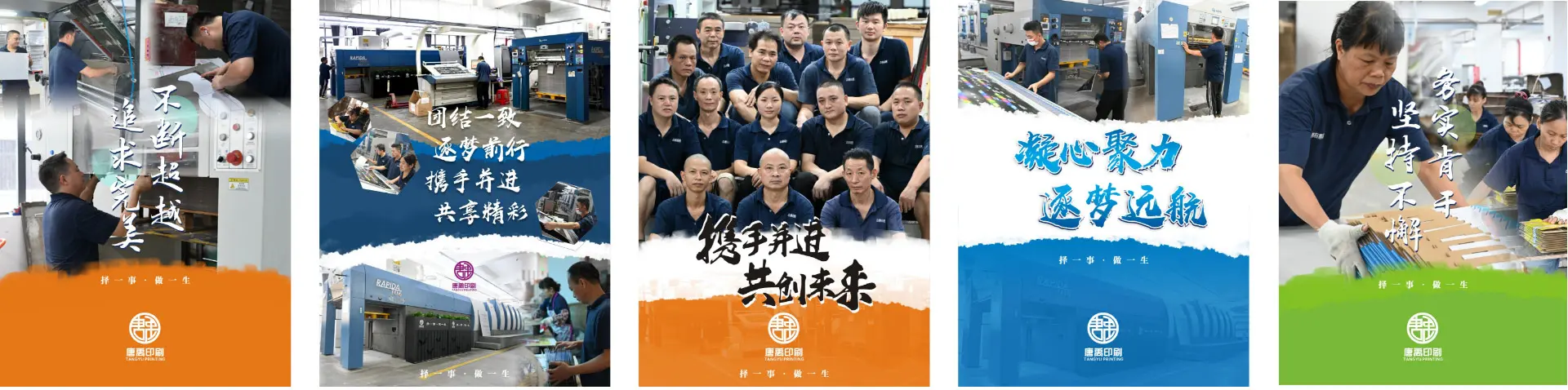
As global economic conditions shift, large brands require supply chains that offer high volume output, flexibility, and cost stability. Established in 2009, Zhuhai Doton Printing Co., Ltd. has spent over 15 years developing modern packaging operations that combine traditional craftsmanship with computerized manufacturing systems.
Manufacturing quality cosmetic packaging requires robust machinery and precise quality controls. Doton utilizes advanced **Koenig & Bauer (KBA) offset printing presses** alongside computer-to-plate (CTP) imaging lines. This digital prepress pipeline ensures that complex design files transfer directly to offset plates with minimal dot gain and accurate color reproduction.
Maintaining quality at scale requires automated finishing equipment. Doton's facility features automated film laminating, high-speed foil stamping, precision die-cutting, paper board mounting, and automated folder-gluers. Automation helps minimize manual handling, reduce scrap rates, and maintain dimensional accuracy across production runs exceeding one million units per month.
| Production Factor | Traditional Small-Scale Printers | Doton Factory 4.0 Standard |
|---|---|---|
| Color Calibration | Manual/Visual Match (ΔE > 3.0) | Spectrophotometer Digital Feedback Loop (ΔE < 1.5) |
| Lamination Quality | Standard heat laminators; prone to peeling | Pneumatic pressure laminators with moisture balancing |
| Creasing & Scoring | Manual adjustments; card cracking risks | Precision CNC die-boards with anti-crack creasing matrixes |
| Materials | Standard local paperboards | FSC-certified papers, soy-based inks, water-based finishes |
We guide custom projects from flat dielines and 3D digital prototypes through to mass production and logistics planning.
We help brands meet environmental requirements using FSC paperboard stocks and eco-friendly soy inks.
We work with vetted paper mills and material suppliers to ensure steady input access and consistent lead times year-round.
The cosmetic industry is shifting rapidly toward circular lifecycles and functional design. This transition is driving key technological advancements in the packaging sector:
Traditional cosmetic boxes often use mixed materials (such as clear plastic windows, magnetic closures, and metal grommets) that make recycling difficult. Modern designs focus on monomaterial construction, replacing magnets with engineered paper tabs and using wood pulp window films to ensure the entire box can be processed in standard paper recycling lines.
Near Field Communication (NFC) chips, digital codes, and QR codes are increasingly printed directly onto cosmetic packaging. This allows brands to offer interactive customer experiences, verify product authenticity, and trace items through the supply chain.
Traditional plastic laminations are being replaced by bio-based water barrier coatings. These eco-friendly coatings protect the underlying paperboard from oils, creams, and moisture without compromising the package's ability to biodegrade.
Cosmetics brands require custom solutions that balance regional regulations, shelf-life requirements, and logistics profiles.
Cosmetic packaging must comply with different standards depending on the destination market:
Global shipping exposes products to changing temperatures, humidity, and physical vibrations. Safe transit requires using durable double-wall shipping outers, custom-fitted inner pulp trays, and moisture-controlled barrier liners. Working with an experienced manufacturer like Zhuhai Doton helps brands protect their products throughout the international shipping process.
Answers to common questions regarding structural designs, order minimums, and shipping timelines.
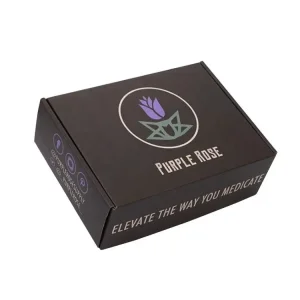
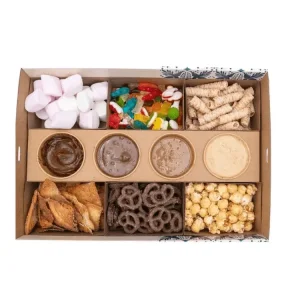
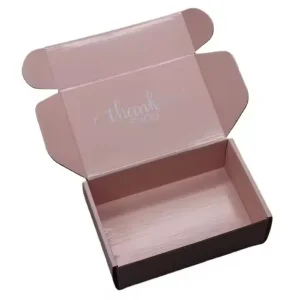
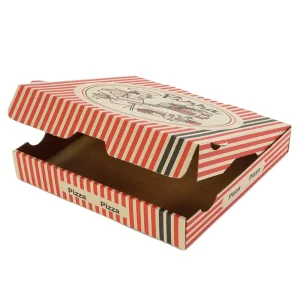
Review our specialized collection of packaging formats designed for high-end retail, apparel, and food delivery networks.
 Doton Printing