
In the global quick-service restaurant (QSR) sector, the humble corrugated pizza box serves as a critical point of convergence between mechanical engineering, thermal thermodynamics, and brand communications. Far from being a simple paper container, a high-performance pizza box is designed to combat the four enemies of food delivery: moisture saturation, structural collapse, heat loss, and chemical migration.
This white paper details how industrial packaging designers and materials science companies optimize corrugated board profiles to support high-speed food-service operations. By using micro-flutes, bio-based coatings, and automated die-cutting systems, modern pizza packaging suppliers help global brands maintain structural integrity and deliver hot, crisp products to the consumer.
Established in 2009, Zhuhai Doton Printing has developed into one of China's leading and highly specialized manufacturers of custom paperboard and corrugated packaging. Serving food, wine, cosmetics, apparel, and toys industries, Doton balances high-volume manufacturing output with custom engineering and design.
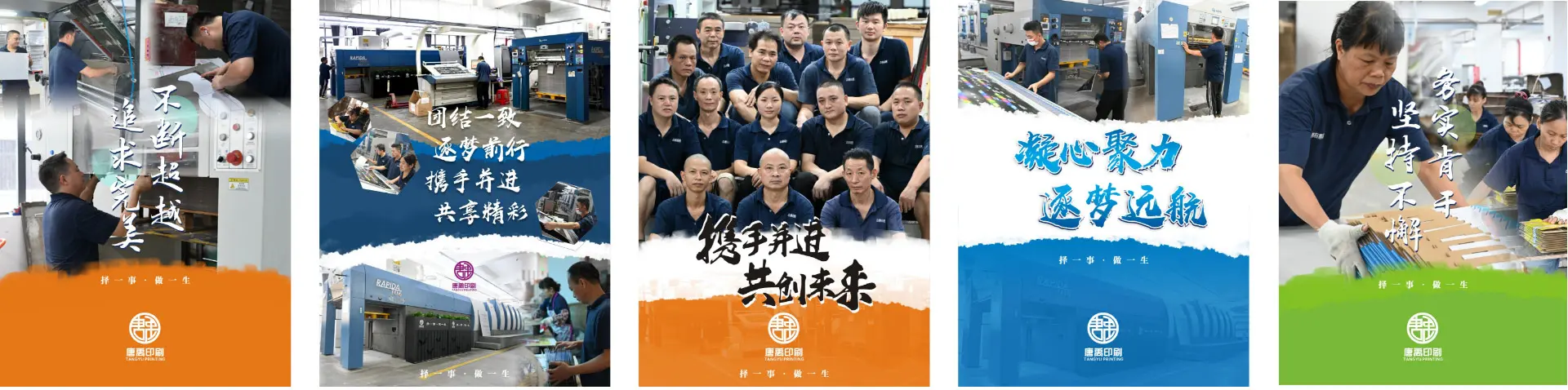
Doton's core market success is built on sustained investment in materials research and engineering. The company exclusively uses FSC-certified paper, recycled materials, soy-based inks, and environmentally safe coatings. To guarantee high-definition print graphics, Doton operates a direct Computer-to-Plate (CTP) facility system.
Our manufacturing line features advanced German printing equipment, including KBA offset presses and Heidelberg systems, ensuring clean color accuracy and sharp vector branding. Operating a facility with a capacity of over one million boxes per month, Doton maintains complete post-print automation, including film laminating, foil stamping, precision die-cutting, paper mounting, and high-speed folder-gluers.

Selecting the correct flute profile is a key step in optimizing the performance of corrugated boxes. The flute profile directly affects the packaging's top-to-bottom compression strength, puncture resistance, stackability, and insulation properties.
For pizza delivery applications, manufacturers balance wall thickness (for box insulation and structural stability) with printability. Traditional shipping cartons rely on A or C-flutes, but the food packaging sector has moved toward E-flute and F-flute corrugated boards.
| Flute Profile | Thickness (mm) | Flutes per Linear Meter | Primary Industry Application | Key Advantage |
|---|---|---|---|---|
| B-Flute | 3.0 - 3.5 mm | 150 ± 10 | Heavy/Large Pizza Delivery (16"+) | High crush resistance and top-load stack strength. |
| E-Flute | 1.5 - 1.8 mm | 290 ± 15 | Standard QSR Pizza Boxes (8" to 14") | Smooth surface for high-end printing, good thermal balance. |
| F-Flute | 0.8 - 1.0 mm | 410 ± 20 | Single-slice, Gourmet, and Retail Clamshells | Highly compact, structural rigidity with minimal storage space. |
| Double-Wall (BE) | 4.5 - 5.3 mm | N/A (Combo) | Heavy-Duty Catering, Long-Distance Transit | Maximum insulation and stackability for heavy loads. |
E-flute corrugated board offers a high number of flutes per linear meter. This tighter fluting structure yields a flatter, smoother surface that reduces the "washboarding" effect during printing. This allows Doton Printing's KBA and Heidelberg offset presses to apply high-resolution branding, graphics, and barcode structures directly onto the packaging material.
Enterprise procurement of direct food-contact packaging requires strict compliance with international food safety regulations. Because hot pizzas sit in direct contact with paperboard, trace chemical migration is a significant risk.
Doton Printing complies with major regulatory frameworks to ensure material safety and compliance:
Structural ventilation apertures are calculated using thermodynamics to release steam while trapping hot air, keeping pizzas crisp and hot.
We use biodegradable, water-based, clay, and PLA barriers to prevent oil and grease migration without compromising recyclability.
High Edge Crush Test (ECT) ratings prevent structural sagging when boxes are stacked in delivery vehicles and heated transit bags.
Operating in Zhuhai, Doton Printing benefits from China's advanced packaging manufacturing hubs and integrated supply chains. Industry 4.0 smart factory practices improve efficiency and cost management across all stages of production.
By pairing CTP prepress workflows directly with automated sheet feeders, we reduce set-up times for custom production runs. This optimization is critical for supporting short-run seasonal packaging alongside high-volume baseline production.
Doton integrates design, material selection, production, and logistics into a single-source solution. The factory is located near major container ports in Shenzhen, Guangzhou, and Hong Kong, streamlining global shipping and logistics.
We pack our boxes flat in high-density, moisture-barrier shrink-wrapped pallets. This approach reduces ocean freight costs per unit and ensures the packaging materials remain dry and undamaged during long-distance transit.
The food packaging industry is evolving, driven by new regulatory rules, changing consumer habits, and structural innovations. Doton is investing in key areas to prepare for the future:
 Doton Printing