Explore our highly requested engineered box styles, carrying certificates of CE, FSC, and ISO 9001 compliance.
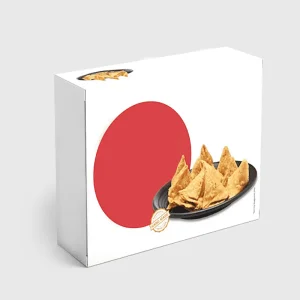

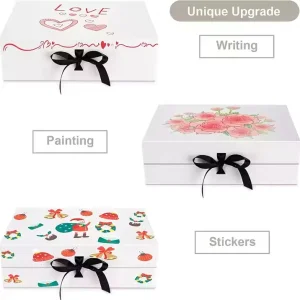

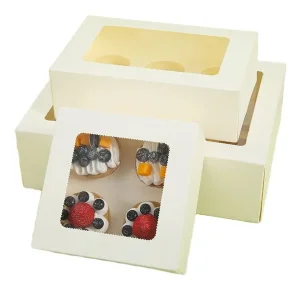
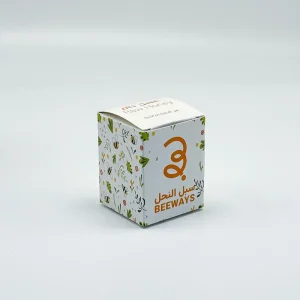

Zhuhai Doton Printing: Setting the Gold Standard in Precision Packaging Since 2009
Established in 2009, Zhuhai Doton Printing has evolved into one of China's most trusted and leading manufacturers of high-end rigid paper structures. Over more than 15 years, we have built a reputation centered on material research, structural innovation, and technological implementation. Our factory focuses on integrating complex technical, structural, and logistic programs to offer global businesses a true one-stop-shop experience—from design validation to automated mass production and international distribution.
Our core capabilities range from complex luxury gift boxes and corrugated shipping cartons to customized shopping bags and specialized retail containers. We cater to demanding market segments including high-end cosmetics, fine wines, spirits, luxury jewelry, consumer electronics, toys, and premium apparel. By utilizing FSC-certified materials, soy-based inks, and advanced direct-to-plate Computer-to-Plate (CTP) imaging systems, we ensure that color fidelity and substrate alignment remain flawless throughout production cycles.

Empirical data demonstrating our operational capacity and capabilities.
Why the world's most discerning brands partner with Zhuhai Doton Printing.
We translate abstract brand visual concepts into structural reality. Our design laboratory maps out structural layouts, material limits, and custom inserts that perform exceptionally in retail and transit environments.
We deploy modern KBA offset printing machinery alongside Heidelberg presses. This configuration provides high-resolution color consistency, screen accuracy, and sharp registration across massive runs.
Our long-term localized supplier networks protect against market volatility. Enjoy stable material pricing, consistent chipboard grades, and priority access to specialized paper selections.
We reduce hidden costs. By aligning structural design with transit configurations, we design boxes that stack efficiently in sea containers, optimizing volumetric efficiency and lowering freight costs.
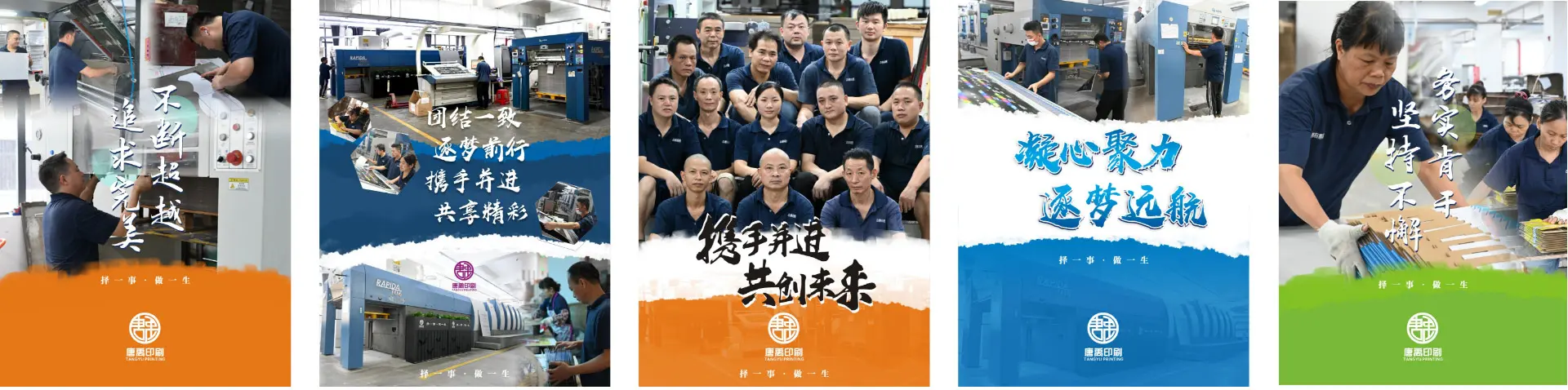
Our facility transitions standard production lines into highly synchronized, automated systems. We have mechanized the core steps of rigid box manufacturing—including high-precision film lamination, high-speed foil stamping, precision die-cutting, automated board mounting, and robotic corner pasting.
With an automated output capacity exceeding one million boxes per month, our processes reduce human variability. Automated gluing systems lay down consistent, exact adhesive patterns, eliminating risk of paper bubbling, edge lifting, or warp under differing ambient humidity levels. This high-capacity, automated approach guarantees that bulk wholesale orders maintain the same structural integrity from the first box off the line to the last.
By integrating local raw material manufacturing with our Zhuhai base, we guard against supply chain disruptions. We carry inventory reserves of major greyboard calipers (1000gsm to 2000gsm) and standard art papers. This vertical alignment buffers our production schedules against external raw material constraints, keeping your launch timelines secure.
Rigid box packaging—often referred to as set-up box packaging—represents the pinnacle of structural brand communication. From a structural engineering perspective, the choice of materials, structural geometry, and surface treatment defines not only visual impact but also product protection. Modern brands require rigid box options that perform well across all logistics nodes while meeting strict ESG (Environmental, Social, and Governance) targets.
The rigid packaging sector is moving toward mono-material designs and smart configurations. Traditional rigid boxes rely on composite constructions (e.g., greyboard wrapped in plastic-laminated art paper, featuring thermoformed plastic inserts). Disposal of these mixed materials is complex. Zhuhai Doton Printing is actively researching and engineering alternatives to address this challenge:
Different industries present unique engineering and design challenges. We customize our material specs to match these specific requirements:
| Industry Vertical | Typical Rigid Box Architecture | Material Specification | Key Functionality |
|---|---|---|---|
| High-End Cosmetics & CBD | Book-style magnetic boxes with custom vac-form or EVA inserts | 1200gsm Chipboard + 157gsm Art Paper + Soft Touch Finish | Protects delicate glass droppers and vials; secure magnetic closure |
| Luxury Jewelry & Fashion | Classic Shoulder-and-Neck boxes or Slide drawers | 1500gsm Greyboard + Premium Textured Specialty Paper | Unboxing friction fit (3-5 second air release glide) |
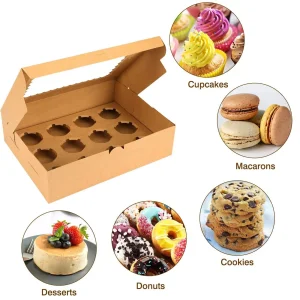
| Gourmet Bakery & Food | Collapsible rigid boxes or transparent-lid paper trays | FDA Food-Grade direct contact inner boards + Soy Inks | Grease resistance, odor-barrier lining, CE compliant |
| Electronics & E-Commerce | Heavy-duty base & lid with corrugated sleeves | 1800gsm Board + E-Flute inner corrugated reinforcement | High drop-test performance, anti-static tray inserts |
Importing custom packaging at scale requires strict adherence to international quality standards. Without proper documentation and testing, brands face risks of port delays, customs fines, or shipping damage. Zhuhai Doton Printing maintains the certifications and testing protocols necessary for smooth global distribution:
Essential factors to evaluate when sourcing high-volume rigid packaging.
Ensure your supplier uses raw greyboard with uniform caliper thickness. Thin or uneven chipboard leads to warped panels, soft corners, and poor structural performance under stacking weight.
Specify VOC-free soy inks to align with sustainability goals. Request high-grade matte, gloss, or soft-touch laminates to protect the printed surface from oil transfer and transport scuffs.
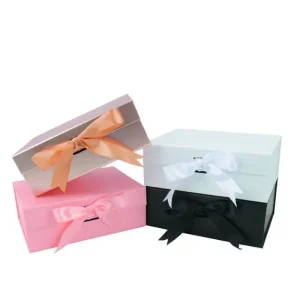
Traditional rigid boxes ship pre-assembled, which increases shipping volume. For high-volume sea shipments, consider collapsible rigid boxes with magnetic closures. These ship flat to significantly reduce ocean freight costs.
Explore additional options, featuring sustainable materials and premium custom finishes.


Answers to common technical, logistics, and quality assurance questions.
For typical production runs, sample prototyping and structural verification take 3 to 7 business days. Once the digital structural proof is approved, mass manufacturing takes 15 to 22 business days, depending on order size and design complexity. Extremely complex designs requiring hand assembly or multi-stage hot stamping may extend lead times.
We use a direct-to-plate CTP system that transfers digital artwork designs directly to the printing plates. Our brand-new KBA offset printing machines use automated in-line densitometers to monitor ink density in real time, keeping Delta E color variances within strict tolerance levels.
Yes. We offer fully FSC-certified options, using paper pulp from responsibly managed forests. For plastic-free packaging, we replace standard plastic film lamination with aqueous-based barrier coatings and use custom paper trays or molded pulp inserts in place of plastic vacuum-formed inserts.
Because rigid boxes are pre-assembled, they occupy considerable volume and can increase ocean shipping costs. We design collapsible rigid boxes with magnetic hinges that ship completely flat. This approach reduces overall volume by up to 70%, which significantly lowers ocean freight charges and storage costs.
 Doton Printing