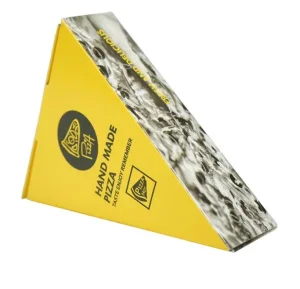
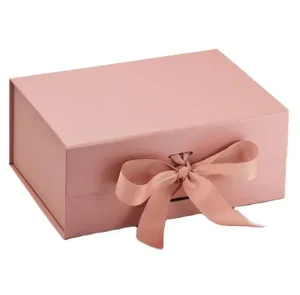
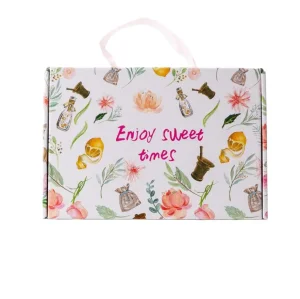
Explore our high-performance corrugated packaging solutions engineered to meet rigorous international shipping and retail compliance standards.
How aligning dimensional weight (DIM) with structural load-bearing parameters can reduce logistics costs by up to 35%.
Standard global shipping fees rely heavily on the volumetric calculation rule: (Length × Width × Height) / DIM Divisor. Currently, the industry standard DIM divisor stands at 5000 for international metric consignments ($cm^3/kg$) and 139 for domestic imperial calculations ($in^3/lb$). If the resulting dimensional weight exceeds the package's actual deadweight, the shipper is billed for the larger volumetric size.
By manufacturing structural shapes precisely matched to product SKU boundaries, brands mitigate this volumetric penalty. This systematic customization prevents the packing of structural voids, significantly reducing the usage of plastic void-fill inserts like air cushions or polystyrene packing peanuts, aligning corporate operations with ESG mandates.

A comparative engineering breakdown of industry-standard dimensions vs. bespoke design optimizations.
| Box Classification | Common Dimensions (LxWxH) | Ideal Application Scenario | Optimized Flute Profile | Recommended Weight Capacity |
|---|---|---|---|---|
| Standard Small Mailer | 9" x 6" x 3" (228 x 152 x 76 mm) | Direct-to-Consumer (DTC) Apparel, Cosmetics, Electronics | E-Flute or F-Flute Single Wall | Up to 5 lbs (2.3 kg) |
| Medium RSC Shipping Box | 12" x 12" x 10" (305 x 305 x 254 mm) | Subscription Boxes, Heavy Glass Jars, Small Appliances | B-Flute or C-Flute Single Wall | Up to 20 lbs (9.1 kg) |
| Large Cargo Master Carton | 18" x 18" x 24" (457 x 457 x 610 mm) | Industrial Equipment Spare Parts, Bulk Apparel Distribution | BC-Flute Double Wall | Up to 65 lbs (29.5 kg) |
| Extra Large Heavy Duty Carton | 24" x 24" x 24" (610 x 610 x 610 mm) | Automotive Components, Large Hardware, Multi-SKU Shipping | Double Wall Heavy Duty Fluting | Up to 80 lbs (36.3 kg) |
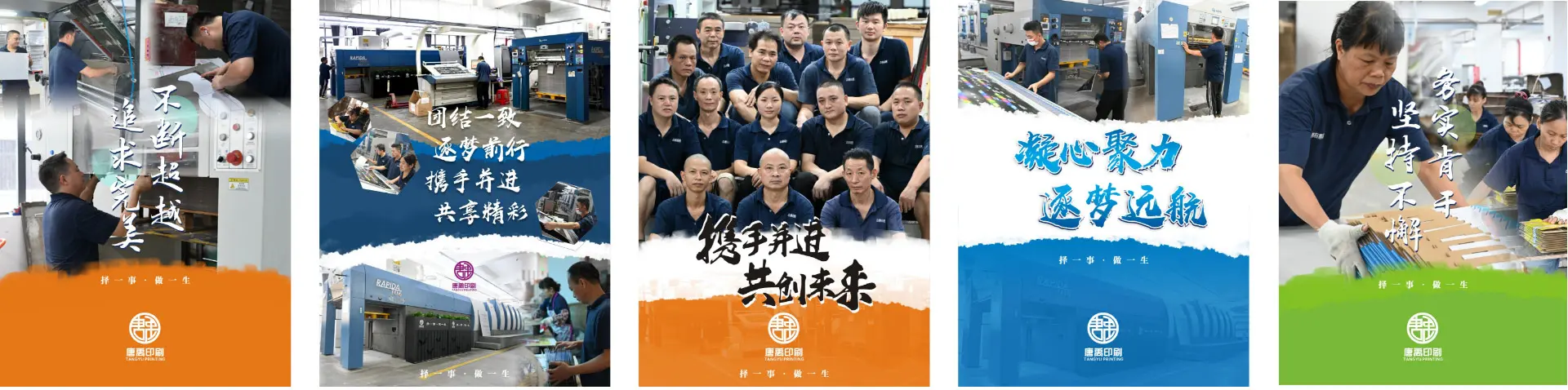
Established in 2009, Zhuhai Doton Printing is one of the leading and professional packaging manufacturers in China.
From digital artwork directly to aluminum printing plates, we deploy fully integrated Computer-to-Plate (CTP) systems for sharp image resolution and exact alignment.
With a monthly capacity exceeding 1,000,000 custom units, we support international retail rollouts during high-demand seasonal peaks.
Our facilities feature automated laminating, high-speed foil stamping, precision die-cutting, cardboard mounting, and high-capacity box pasting machines.
Key forces shaping the future of global logistics, commercial packaging, and warehousing operations.
Transitioning complex multi-layer plastics to 100% recyclable, cellulose-based mono-materials simplifies recycling and lowers waste processing costs.
Deploying high-speed automated systems to pack products on-demand reduces dimensional weight volume and minimizes outer shipping footprint.
Using specialized self-locking tabs and security seals helps secure high-value retail goods during transit, reducing losses without requiring heavy plastic wraps.
Technical answers to help buyers evaluate custom dimensions, board grades, and ordering processes.
For standard corrugated structures, our production lead time is typically 10 to 12 working days from CAD proof approval. High-volume runs requiring complex multi-color offset printing or specialty spot UV processes may extend the schedule to 15 to 18 working days.
Single-wall corrugated board (typically B or C flute profiles) is ideal for payloads under 30 lbs (13.6 kg) that do not experience high vertical compression during transit. Double-wall board (BC or EB flute profiles) is recommended for payloads exceeding 30 lbs, heavy vertical stacking, or high-value items requiring superior impact resistance.
We use both the Edge Crush Test (ECT) and the Mullen Bursting Test. ECT measures the stacking strength of the corrugated structure, while the Mullen Burst Test evaluates the board's resistance to puncture and containment rupture.
Initial setup fees for custom die-cut tooling are modest, but they are fully amortized over large-scale production runs. We also waive tool setup fees for ongoing bulk supply agreements or recurring enterprise contracts.
Browse our selection of specialized custom packaging, including retail displays and heavy-duty structural mailers.
 Doton Printing