 Doton Printing



The Evolving Architecture of Small Pizza Boxes: Engineering, Procurement, and Global Market Shifts
The food service packaging landscape is undergoing a silent revolution. While large, family-sized boxes have historically dominated the takeout market, the demand for **small pizza boxes** (specifically sizes ranging from 5 to 9 inches) has surged exponentially. Driven by single-serve consumer dynamics, gourmet street food operations, personal pan size innovations, and the global delivery ecosystem, the small pizza box has evolved from a basic container to a highly engineered technical product. To select the right wholesale manufacturing partner, enterprise procurement managers must evaluate several technical criteria including heat retention, moisture release, grease barrier engineering, environmental footprints, and the production reliability of China Factory 4.0 infrastructures.
"Optimizing micro-packaging solutions requires balancing board calipers, grease resistance barriers (Cobbs testing values), thermal conductivity equations, and structural integrity under high humidity storage environments."
1. Global Commercial & Industrial Landscapes: The Rise of Micro-Packaging
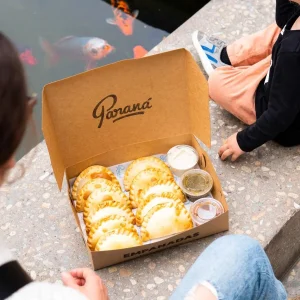
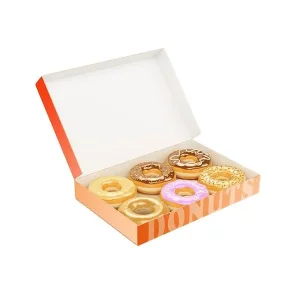
Urbanization, shrinking household sizes, and the growth of quick-service food applications have collectively driven the popularity of personal pizzas, individual flatbreads, empanadas, and premium artisanal desserts. Consequently, small pizza box manufacturers must adapt to new structural and functional expectations. In the commercial arena, packaging is no longer just a vessel; it is a primary marketing channel. Brands require premium-finish boards, ultra-sharp color fidelity via advanced offset or flexographic presses, and integrated structural handles or easy-setup mechanisms that improve the end-user experience.
Additionally, strict international regulations targeting single-use plastics and chemical coatings have accelerated the phase-out of traditional polyethylene (PE) coatings and fluorochemical grease barriers (PFAS). Today's premium manufacturers utilize biopolymer coatings, clay-coated kraft backs, or proprietary water-based barriers that comply with FDA and European Food Contact standards, ensuring full compostability and recyclability.
2. Global Enterprise Procurement Requirements & Technical Metrics
For B2B buyers and multinational franchise chains, procuring small pizza boxes at scale involves strict quality assurance protocols. Standard specifications encompass corrugated flute selection, liner board weight, structural design, and chemical composition. When requesting quotes, buyers should evaluate manufacturers against the following technical criteria:
| Parameters & Metrics | Standard Specification | Key Performance Indicators (KPIs) |
|---|---|---|
| Material Composition | Corrugated E-Flute or F-Flute Kraft Paper | Ensures rigid vertical stacking strength and clean crease lines. |
| Grammage (GSM) | 250g to 350g Kraft Outer + 120g Fluting | High crush resistance prevents deformation when stacked 5-high in transit. |
| Grease Barrier Rating | Water-Based Eco Coating (PFAS-Free) | Prevents oil bleed-through for at least 30 minutes at 85°C. |
| Ink Specification | Soy-Based / Water-Based Biodegradable Ink | Low odor, non-toxic, and maintains food contact compliance. |
| Certifications Required | FSC (Forest Stewardship Council), ISO 9001 | Ensures raw materials are traceably and sustainably sourced. |
3. China Factory 4.0: Achieving Supply Chain Resilience & Cost-Efficiency
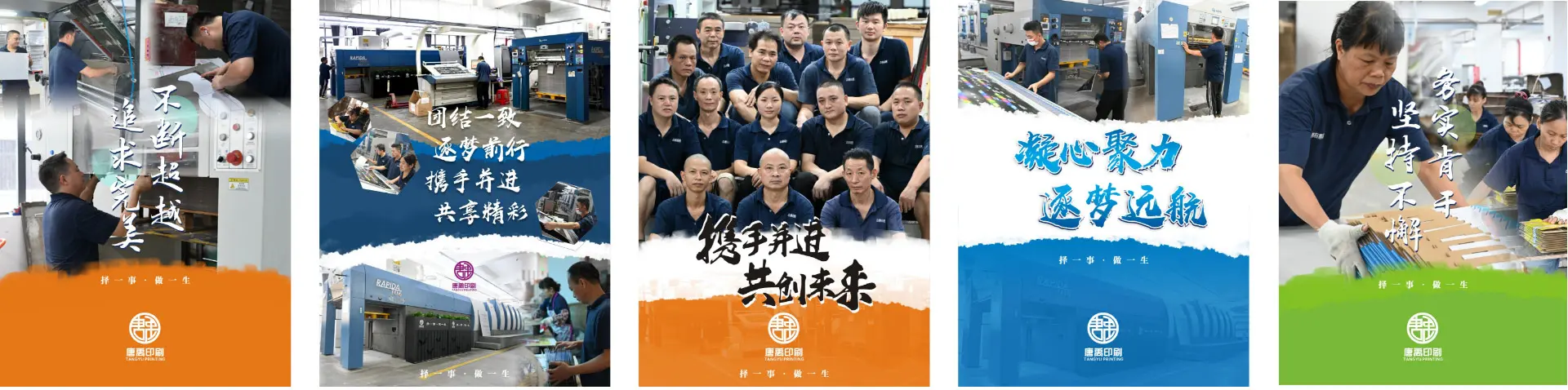
As logistics dynamics shift globally, Chinese manufacturers have upgraded their operations by adopting Factory 4.0 frameworks. This industrial evolution combines automation, intelligent manufacturing, and sustainable supply chains. Zhuhai Doton Printing illustrates this shift by integrating advanced machinery, strict material vetting, and streamlined shipping processes.
- German KBA & Heidelberg Offset Printing Systems: Advanced direct-to-plate Computer-to-Plate (CTP) setups deliver precise registration and color consistency across high-volume production runs.
- Automated Die-Cutting and Creasing: Computer-controlled high-speed die-cutters maintain dimensional tolerance within +/- 0.5mm, ensuring smooth performance on automatic folding lines.
- In-Line Quality Monitoring: Advanced optical inspection scanners verify print quality, glue application, and folding accuracy in real time, minimizing defects during high-volume production.
- Supply Chain Integration: By sourcing raw paper mills locally and consolidating shipping operations close to key ports like Zhuhai, Shenzhen, and Hong Kong, manufacturers can mitigate maritime shipping delays and control costs.
4. Localized Application Scenarios for Small Pizza Boxes
Understanding localized consumer needs allows brands to customize their packaging designs to match regional tastes and usage patterns:
- Metropolitan QSR (Quick Service Restaurants) & Takeout Hubs: In densely populated urban areas, speed is essential. Box designs feature one-piece folder assemblies that staff can pop open and pack in under three seconds.
- Premium Artisanal & Micro-Bakery Cafes: High-end pastries, tarts, and personal-sized gourmet flatbreads use premium clay-coated kraft paper with clear PLA window inserts, blending product visibility with reliable grease protection.
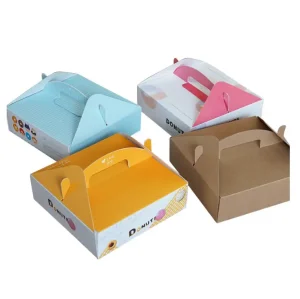
- Corporate Catering & Boxed Lunch Programs: Modern corporate events require secure, individual, and easily stackable portions. Small corrugated boxes with die-cut handles prevent direct box contact during transport and maintain food safety.
- Eco-Conscious Festivals & Street Food Operations: Outdoor markets require fully compostable packaging. Unbleached, un-laminated natural brown kraft boxes with water-based soy ink prints align with local municipal composting guidelines.