Explore our premium, structural-tested packaging boxes engineered for optimal protection, branding, and stacking efficiency.
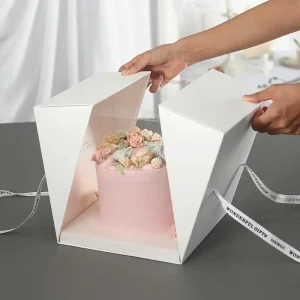
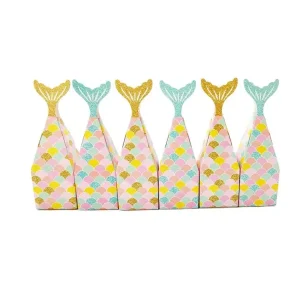
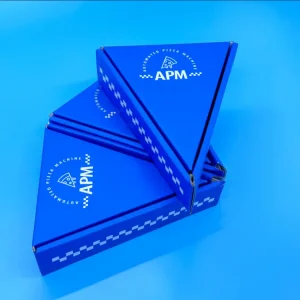
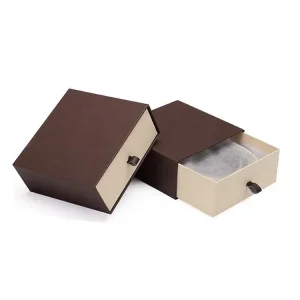
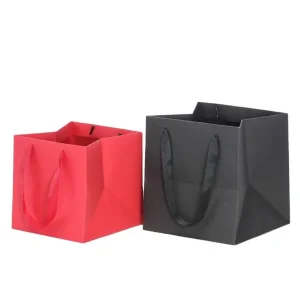
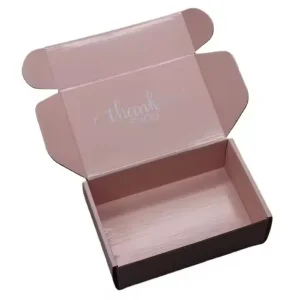
In the global pastry supply chain, traditional single-unit packaging is no longer sufficient. High-density urban delivery systems, combined with automated warehouse stacking, demand a new standard: optimized load-bearing stackability. Our industry whitepaper examines how modern stackable dessert boxes prevent vertical structural compression, safeguard delicate icings, and cut shipping footprint by up to 35%.
The primary engineering challenge in stackable food packaging is structural integrity under varying humidity levels. Condensation inside commercial refrigeration units weakens the cellulose fibers in standard SBS (Solid Bleached Sulfate) boards, causing deformation. Our engineered stackable boxes incorporate double-wall corrugated posts, mechanical locking corners, and food-safe barriers to maintain rigid vertical pathways under loads exceeding 25 kg.
Key technological and market forces driving the engineering of dessert and food grade folding cartons.
Global regulations are steering brands away from single-use plastics towards certified biodegradable substrates. Advanced water-based dispersion barriers are replacing plastic PE linings without compromising grease protection.
Logistical space optimization is driving the adoption of standardized interlocking tabs. These profiles stop lateral shifting inside transit vehicles, slashing damaged-on-arrival rates to near 0.1%.
Warehouses cannot afford to store pre-assembled empty boxes. Modern structural shapes are cut to be shipped flat-packed, folding into final form in under 3 seconds per box on fast-paced assembly floors.
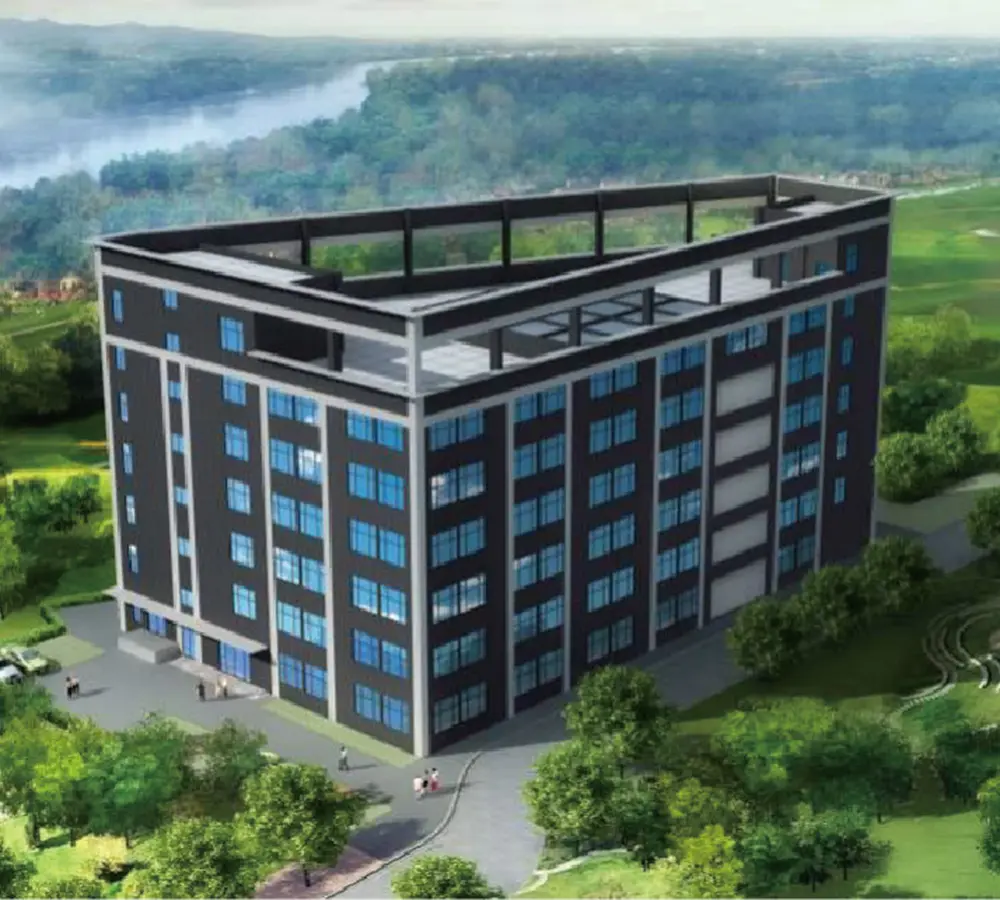
Established in 2009, Zhuhai Doton Printing is a premier manufacturer specializing in structural cardboard packaging, high-speed automated folding cartons, and sustainable paper solutions.
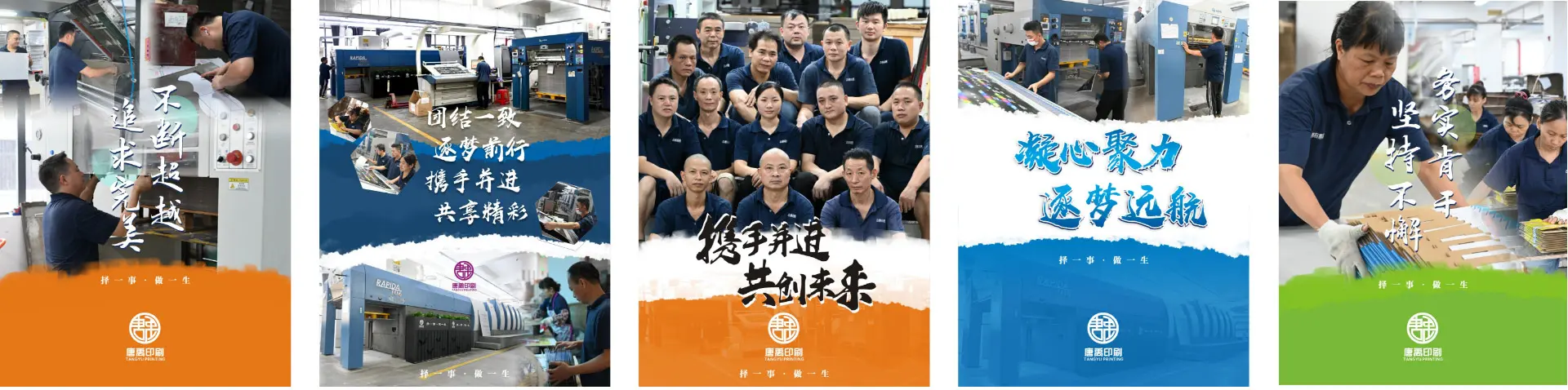
Operating a state-of-the-art facility equipped with brand-new KBA Rapida and Heidelberg offset printing presses, we meet the absolute highest standards of visual definition and structural accuracy. Our direct artwork-to-plate advanced CTP system guarantees color fidelity across massive production runs.
With an automated infrastructure producing over 1 million boxes monthly, Doton integrates full post-print processing including film laminating, precision hot foil stamping, high-speed die-cutting, paper mounting, and automatic box pasting. We focus on FSC-certified raw fibers, soy-based eco-inks, and fully compostable barriers, balancing structural integrity with ecological responsibility.
How we design, configure, and ship wholesale dessert boxes for regional bakery chains, cake manufacturers, and food service distributors.
| Parameter | Premium Corrugated Grade | SBS Solid Bleached Sulfate | FBB Folding Boxboard |
|---|---|---|---|
| Typical Weight / Caliper | 350gsm to 450gsm (E-Flute or F-Flute) | 300gsm - 400gsm (16pt - 20pt) | 280gsm - 380gsm (14pt - 18pt) |
| Vertical Stack Rating | Up to 30 kg (Interlocking Corners) | Up to 15 kg (Corner Locked) | Up to 12 kg (Side Glue Flaps) |
| Moisture Resistance | Excellent (Double Aqueous Coating) | High (Biodegradable PLA Lining) | Medium (Water-Based Coating) |
| Primary Application | Heavy multi-tier wedding cakes | Individual pastries & cupcakes | Macaron inserts & light donuts |
| Shipping Efficiency | Flat-packed (10,000 units/pallet) | Flat-packed (15,000 units/pallet) | Flat-packed (18,000 units/pallet) |
Each custom design starts with our 3D structural package modeling. We calculate vertical force vectors to prevent mid-panel sagging when boxes are stacked inside cold delivery vehicles. After engineering the initial cad-cut prototype, we perform simulated environmental compression tests to mimic long-haul temperature swings.
Our printing process utilizes digital spectro-photometers to ensure corporate branding remains perfectly consistent across different substrates—whether printing on raw brown kraft paper or premium clay-coated boards. The final products feature precise, clean scores, guaranteeing smooth operation on mechanical packing lines.
Meeting the rigorous safety requirements of the European Union, FDA (United States), and global green packaging directives.
All raw paper boards pass direct-contact testing. We guarantee zero chemical migration from ink or substrates into bakery foods, ensuring compliance with strict international health standards.
Doton maintains complete trace-back verification for all timber-based products. Our partners can display the official FSC stamp, proving the wood pulp originates from responsibly managed, non-endangered forests.
Designed to help food brands easily navigate strict environmental laws, like EU single-use plastic restrictions, our structures use bio-based PLA and aqueous barriers to ensure packaging is fully recyclable.
As the B2B packaging landscape shifts toward intelligent systems, Doton is investing in two key development directions: Active Barrier Substrates and Logistics tracing connectivity.
Active barrier packaging integrates microscopic natural clay minerals within the paper matrix to slow oxygen transmission. This helps retard staling in delicate pastries without artificial gas purging. Additionally, we are testing temperature-responsive, moisture-indicating inks that subtly shift color if relative humidity inside cargo stacks passes critical limits, safeguarding food quality before it reaches consumer tables.
Common questions answered by our engineering team to streamline the custom ordering and evaluation process.
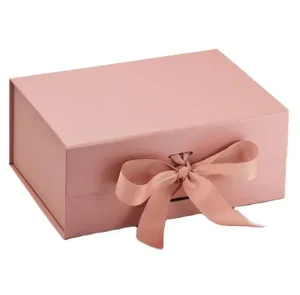
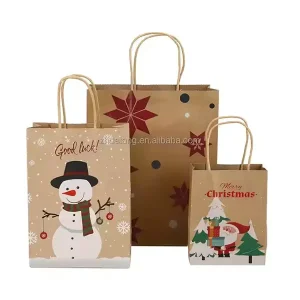
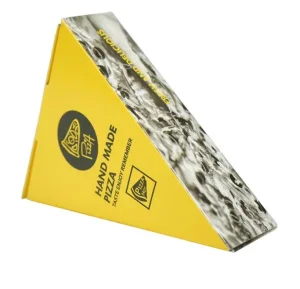
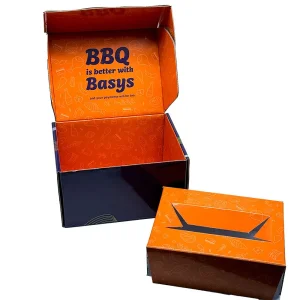
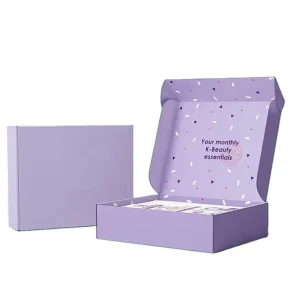
From luxury folding gift boxes to structural delivery mailers, explore our full range of specialty packaging manufactured to the highest industry standards.
 Doton Printing