Explore our comprehensive industrial packaging catalog. Engineered for structural integrity, environmental sustainability, and premium presentation.

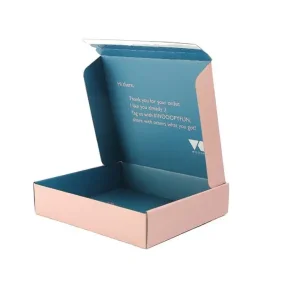
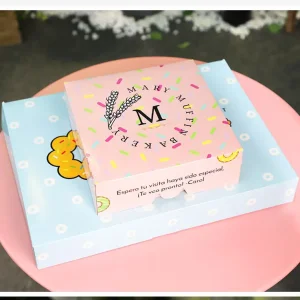
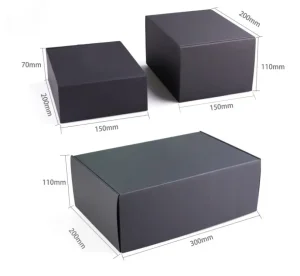
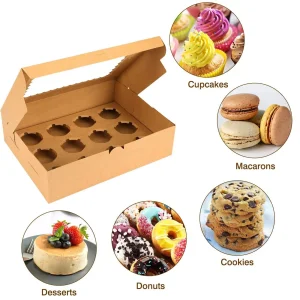
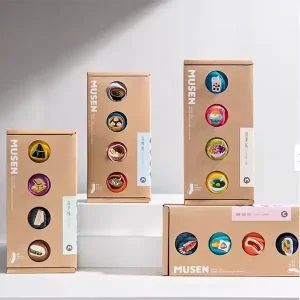
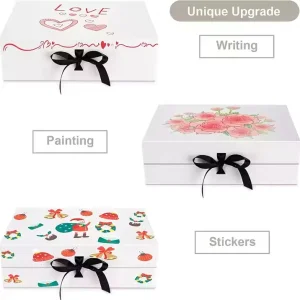
While the standard 12-inch and 16-inch pizza boxes are staples of the global quick-service restaurant (QSR) industry, a fascinating micro-niche has achieved explosive growth over the last five years: the Tiny Pizza Box. Spanning dimensions from 2x2 inches up to 5x5 inches, these micro-packaging units have moved past novelty status. Today, they serve as critical branding touchpoints, secure container configurations for high-value food items, and innovative visual platforms for retail and corporate promotional activities.
As a leading global packaging authority, Zhuhai Doton Printing has spent more than 15 years developing micro-fluting and precision die-cutting technologies to meet this demand. The modern consumer values sensory touchpoints and structural perfection just as much as the product inside. Consequently, manufacturing these mini-containers requires high-precision equipment, strict food-grade compliance, and a resilient logistics operation.
Manufacturing tiny corrugated boxes presents distinct engineering hurdles compared to standard shipping packaging. Because the fold lines are so close together, typical corrugation (like A or B flute) is too thick. This thickness can cause cracking at the hinges and warp the final box shape. Our technical roadmap focuses on premium micro-flute options:
This design offers excellent crush resistance and strong flat-surface stacking strength. It is the ideal choice for heavy mini-confections, tech components, or premium product samplers requiring reliable drop safety.
This ultra-thin profile provides an exceptionally smooth exterior surface, perfect for high-resolution graphics. It folds cleanly with minimal spring-back, making it highly compatible with automated packaging assembly lines.
For custom dessert applications that do not require high thermal insulation, we employ Solid Bleached Sulfate (SBS) boards. These are coated with a moisture-resistant barrier to prevent oil spots and grease soak-through.
To ensure these micro-cartons remain functional under real-world conditions, we integrate a proprietary clay-coated grease barrier. This barrier prevents oil penetration from butter-rich pastries, hot mini-slices, and cookies. Importantly, this process avoids the use of harmful perfluorinated compounds (PFAS), ensuring full compliance with modern environmental and health standards.
Founded in 2009, Zhuhai Doton Printing has grown to become one of China's most trusted manufacturers of custom paper boxes, gift packaging, and eco-friendly shopping bags. We focus our operational strategy on one core belief: Advanced material science and engineering precision are key to success in global packaging.
Operating out of our modern facility, we manage the entire manufacturing cycle in-house. This starts with initial graphic pre-press work using computerized direct-to-plate (CTP) systems and runs through to final high-speed automated gluing and sorting. By utilizing advanced KBA and Heidelberg multi-color offset presses, we consistently deliver crisp, high-resolution printing. Our automated post-press lines handle hot foil stamping, film lamination, precise die-cutting, and box alignment. This setup allows us to maintain a production volume of over one million boxes per month, providing reliable capacity for global supply chains.

How businesses worldwide utilize tiny pizza boxes to elevate customer experiences and optimize retail presentation.
In the United States and Canada, QSR brands use tiny boxes for single-serving mini pizzas, slider burgers, and promotional sample campaigns. These micro-boxes provide excellent heat retention while creating a memorable unboxing moment that encourages social sharing.
European bakeries use micro-boxes to pack high-end macarons, cookies, and small tarts. This choice replaces traditional plastic packaging with a sustainable, plastic-free option that supports local waste reduction goals and appeals to eco-conscious consumers.
In markets like Japan, South Korea, and China, tiny pizza boxes are frequently used for novelty gifts, keychains, and limited-edition pop-culture merchandise. The miniature format turns functional packaging into a collectible item itself, boosting brand engagement.
Whether you operate a single bakery in New York or coordinate a global restaurant franchise from Berlin, having access to local support and regulatory compliance is vital. All our materials meet FDA standards for direct food contact and carry CE certifications. This ensures your custom packaging moves smoothly through customs and complies with municipal waste laws.
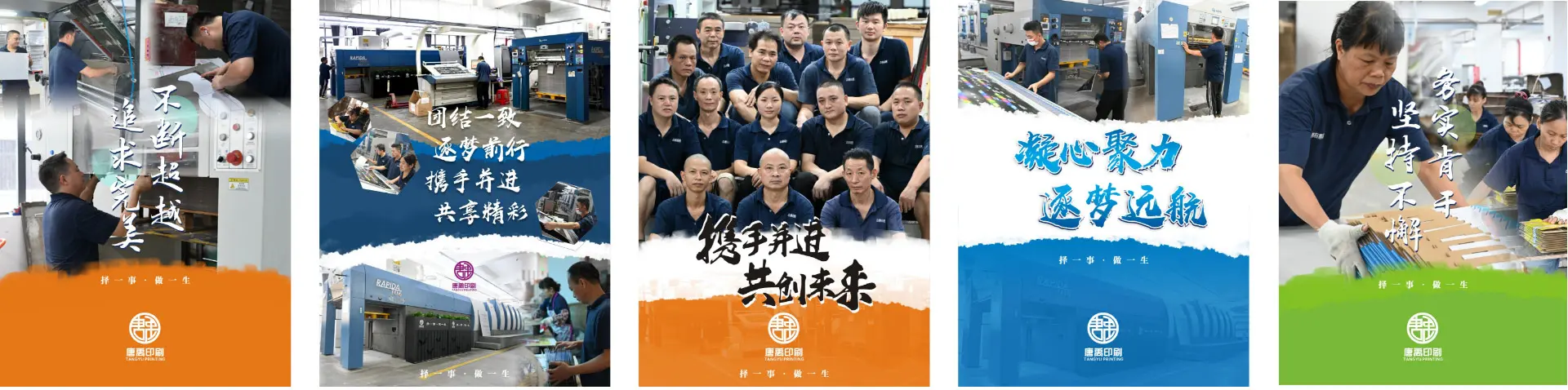
Industrial printing is more than just applying ink to paperboard; it requires managing a complex, fast-moving supply chain. Our factory in Zhuhai, China, is strategically located near major shipping hubs like Shenzhen and Guangzhou. This positioning gives us direct access to high-grade raw pulp mills, specialty coating suppliers, and efficient maritime shipping lanes.
This concentrated local ecosystem allows us to offer shorter lead times and more competitive pricing than manufacturers in other regions. While domestic factories in North America or Europe may struggle with high customization costs, our automated setups let us easily switch production runs. This means we can handle both high-volume runs and specialized custom orders without long setup delays.
The packaging industry is changing rapidly due to new environmental regulations and shifting consumer expectations. Over the next five years, several key trends will shape the development of micro-corrugated boxes:
We are phasing out traditional polyethylene (PE) coatings. In their place, we are introducing bio-based water dispersions. These new coatings dissolve completely during standard paper recycling, helping to eliminate microplastics.
We are shifting our print operations toward water-based inks that release zero volatile organic compounds (VOCs). This transition improves worker safety on the factory floor and reduces the overall carbon footprint of every production run.
Using advanced CAD planning tools, we design dielines that minimize waste material during the cutting process. This smart nesting reduces paper scrap, allowing us to lower production costs and pass those savings on to our clients.
Clear, direct answers regarding raw materials, production limits, shipping logistics, and custom design options.
Complete your supply chain requirements with our complementary packaging solutions, built with the same precision and sustainability standards.
 Doton Printing