Premium packaging engineered for high-end patisseries, department store counters (Depachika), and rapid food delivery logistics across Tokyo, Osaka, and Kyoto.
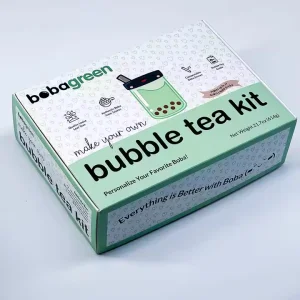
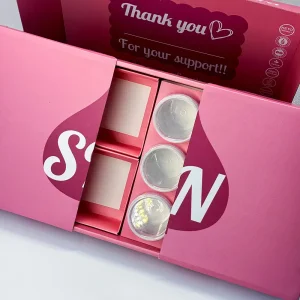
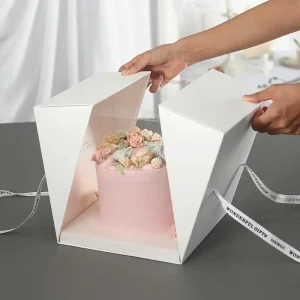
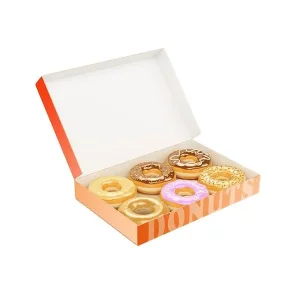
Japan's dessert, bakery, and confectionery market is globally recognized for its exceptional focus on aesthetics, ritualistic gift-giving (Omiyage), and absolute structural perfection. From the high-end patisseries of Ginza to regional Wagashi makers in Kyoto, packaging is not merely a protective vessel; it is an extension of the brand's soul. In the Japanese context, a packaging defect—such as a crushed corner, minor ink bleeding, or structural softening due to humidity—is treated as a product failure.
Confectionery packaging in Japan operates within a distinct dichotomy:
100% compliance with Japan's Food Sanitation Act. Heavy-metal free, soy-based vegetable inks, and direct food-contact migration test assurances.
Proprietary hydrophobic structural barriers designed to prevent cardboard softening in humid refrigerated displays (4°C at 85% RH).
Engineered with automatic popup locking systems and precision crease alignments to reduce assembly time at busy retail counters.
A critical issue that global cake and dessert box factories fail to address is the condensation effect. When a customer purchases a cake from a shop in Tokyo and carries it through a humid summer day, the temperature difference causes immediate condensation. Traditional paperboard absorbs this moisture, causing the structural edges to warp, collapsing the window film and damaging the delicate cream toppings. Our engineered cake box solutions utilize an ultra-thin, biodegradable aqueous coating on the interior surface, offering a water-repellent barrier that allows the box to retain 95% of its rigidity even under prolonged exposure to humidity.
Established in 2009, Zhuhai Doton Printing has evolved into a global leader in high-performance paper packaging. By combining China's supply chain agility with rigorous manufacturing principles, we supply premium cake and dessert boxes optimized for the Japan market's demand for high precision and zero defects.
Operating a massive plant with a production capacity of over one million boxes per month, Doton has developed a highly integrated, automated manufacturing ecosystem. Our core manufacturing capabilities include:

With over 15 years of package design and manufacturing experience, we understand that serving the Japanese market requires more than just high-speed machinery. It demands stable supplier resources, integrated logistics, and an understanding of the regional retail landscape. Our one-stop solution spans from structural box style rendering and material sourcing to direct shipping into major ports (Tokyo, Osaka, Kobe, Yokohama).
Years of Packaging Excellence
Monthly Production Capacity
FSC & Soy-Ink Environmental Materials
Complaints on MHLW Food Inspections
We continuously refine our structural packaging technology to ensure higher rigidity, reduced carbon footprints, and improved usability for food service professionals.
Migrated our entire raw material supply chain to FSC-certified kraft paperboards and solid bleached sulfate (SBS) sheets with 100% soy-based vegetable inks.
Replaced standard PET window patches with home-compostable PLA and high-clarity cellulose film to bypass commercial plastic recycling regulations in Japan.
Deployment of our aqueous barrier dispersion coating (water-resistant, heat-sealable, and recyclable with standard paper waste pulp streams).
Exporting food-contact packaging to Japan requires rigorous compliance with the **Ministry of Health, Labour and Welfare (MHLW) Food Sanitation Act**. Under article 16 and 18, all materials intended for direct contact with food must undergo extraction testing to prove that harmful chemicals, heavy metals, or synthetic colorings do not migrate into the desserts.
Our Quality Assurance process guarantees complete safety across all operations:
Need documentation for your local customs clearance or retail quality audits?
Request Certification DocumentsA comprehensive selection of food packaging solutions, ready for structural modification and custom printing to fit your brand identity.
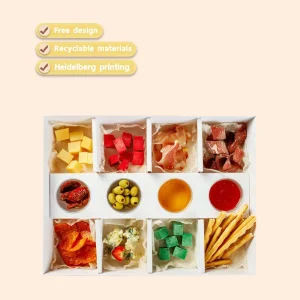
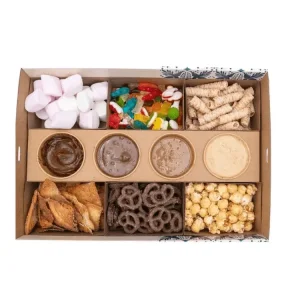
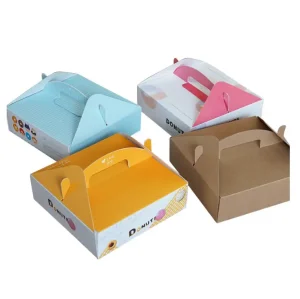
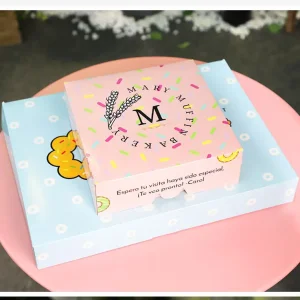
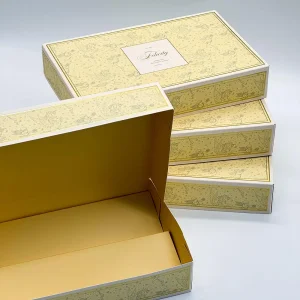
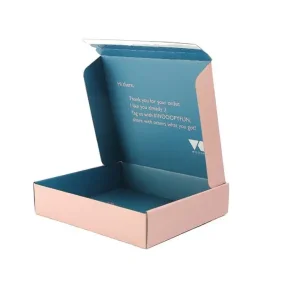
Procuring custom packaging from China for the Japanese food industry requires a careful balance between cost reduction and strict quality verification. As a leading manufacturer with over 15 years of industry experience, we recommend using this structured verification process to evaluate suppliers:
Ensure the supplier uses solid bleached sulfate (SBS) or folding boxboard (FBB) with a density of at least 300 to 350 GSM for standard dessert sizes. Verify that the greaseproof coating is direct-food-contact approved and biodegradable, avoiding chemical wax-based barriers that cannot be recycled.
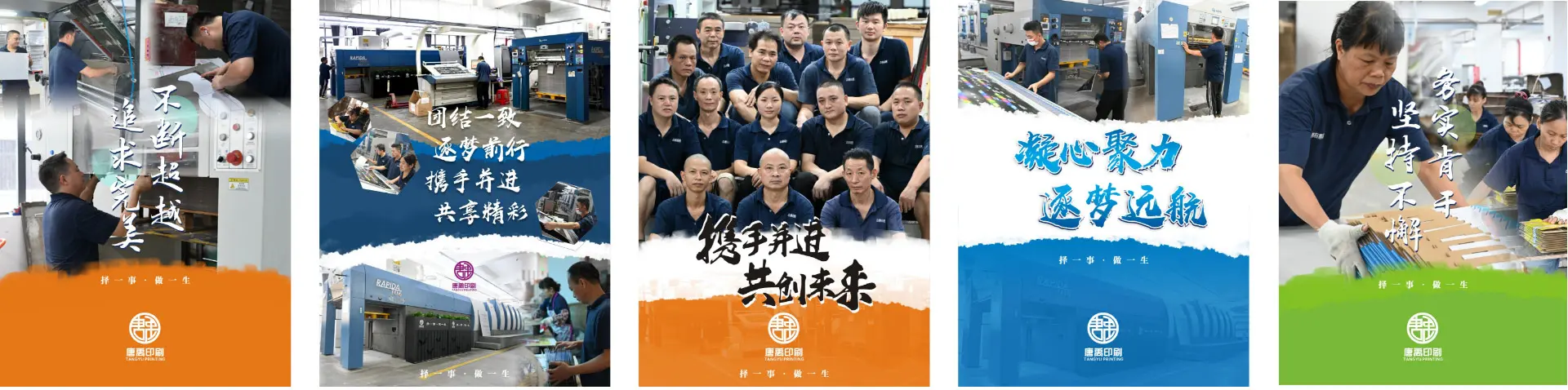
Verify that the factory utilizes high-grade CTP plate imaging alongside German KBA or Heidelberg offset machinery. Poor-quality machinery will result in dot gain, misalignment of color channels, and high rejection rates during retail audits.
Select packaging styles that ship flat-packed (e.g., tuck-top mailer systems, one-piece folding cartons) to minimize ocean freight volume. We specialize in consolidated container shipping direct to major logistics hubs in Kanto and Kansai, guaranteeing efficient customs processing through Tokyo or Osaka.
Detailed technical advice on sourcing regulations, customs pathways, materials, and custom runs for Japanese brands.
 Doton Printing