Engineered for Danish retailers and organic beauty brands prioritizing structural integrity and minimized ecological footprint.


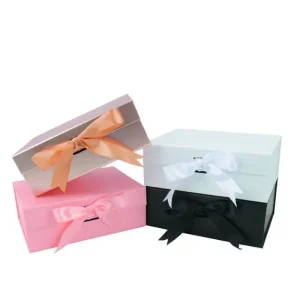
An Industrial Analysis of Nordic Design Philosophies, Environmental Mandates, and Technical Demands
The Danish cosmetics market is experiencing a profound structural transition, guided by both consumer demand and stringently enforced environmental policies. Denmark's 2030 Climate Act targets a 70% reduction in greenhouse gas emissions compared to 1990 levels, and its circular economy framework mandates that all packaging placed on the market must be reusable or recyclable by 2030. For cosmetics manufacturers and distributors in Copenhagen, Aarhus, and Odense, packaging is no longer merely a decorative vessel; it is a measurable carbon vector.
Clean cosmetics brands in Denmark demand packaging solutions that reflect minimalism—commonly termed "Scandinavian Design." This design ethos focuses on functional aesthetics: clean lines, understated colors, and texture-based luxury rather than glossy plastic laminations. Heavy, non-recyclable plastic inserts have been rejected in favor of FSC-certified molded pulp, corrugated supports, and rigid greyboard bases derived from 100% recycled paper. The challenge for manufacturers is to balance this minimalist structural style with the mechanical strength required for automated high-speed logistics and international e-commerce channels.
With Denmark's introduction of extended producer responsibility (EPR) for packaging in accordance with the EU Packaging and Packaging Waste Directive, brands must bear the financial cost of managing their packaging lifecycle. Under this legislation, packaging with poor recyclability metrics—such as multi-material laminates, unseparated plastic components, and metallic foil blockings that interfere with automated sorting systems—incurs high disposal fees. Our engineering department specializes in structural designs that avoid composite elements, utilizing mono-material structures that are easily integrated into Danish municipal paper collection and sorting systems.
How Zhuhai Doton Printing integrates industrial automation, material science, and high-fidelity output for Northern Europe.

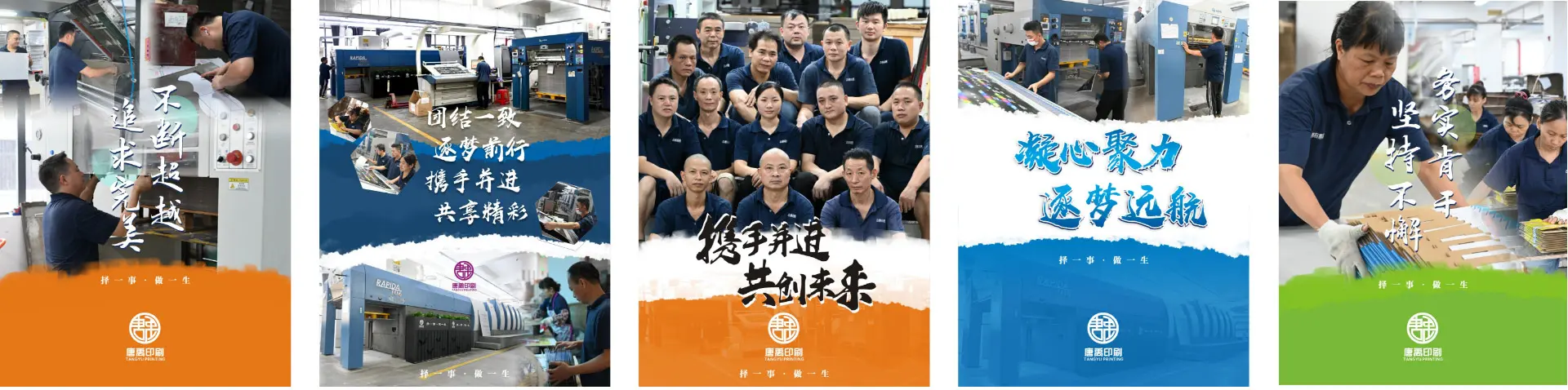
Established in 2009, Zhuhai Doton Printing operates a production facility equipped with high-performance Heidelberg and KBA offset presses. For the Denmark market, where visual imperfections are highly scrutinized, our offset printing setup guarantees high registration accuracy and color consistency. We run direct-to-plate (CTP) systems that bypass manual prepress processing, directly transferring digital designs to metal printing plates to achieve a dot-gain variance of under 1%.
Furthermore, our manufacturing line integrates eco-friendly processing options:
We replace petroleum-derived inks with high-density soy inks that have high de-inking properties, which is a requirement for standard paper recycling in Europe.
Instead of traditional plastic film lamination, we utilize water-based coatings that protect the package surface from scuffs without disrupting the paper pulp cycle.
For brands requiring metallic luxury, we offer eco-friendly transfer methods that keep foil thickness under 3 microns, ensuring the material remains fully recyclable.
We engineer custom-fit paper pulp inserts from bagasse and bamboo fiber, matching the exact shock-absorption requirements of delicate glass cosmetic bottles.
With a capacity of over one million boxes per month, our facility relies on automated operations to reduce lead times and ensure dimensional stability. Our assembly line features automatic laminating machines, precision foil-stamping equipment, high-speed automated die-cutters, and automated folder-gluers. By automating these processing steps, we achieve uniform pressure distribution across all adhesive joints, preventing structural failure under the fluctuating humidity and temperature conditions encountered during maritime transit from China to Danish ports such as Copenhagen and Aarhus.
Ensuring absolute compliance with EU Regulations, Danish Packaging Taxes, and International Standards
Entering the European Union market, especially Denmark, demands rigorous compliance documentation. At Zhuhai Doton Printing, we provide complete transparency regarding the chemical composition of materials used in our processes. We ensure that our raw materials conform to the REACH regulation (EC 1907/2006) to certify the absence of Substances of Very High Concern (SVHC). Additionally, our wood-derived packaging inputs carry FSC Chain of Custody certification, verifying that the wood fibers originate from responsibly managed forests.
We supply paper raw materials with clear chain-of-custody documentation, supporting your brand's compliance with EU Deforestation Regulations (EUDR).
All coatings, adhesives, and pigments are tested to ensure they are free from heavy metals, phthalates, and harmful plasticizers.
Our factory operates under ISO 9001 and ISO 14001, providing systematic verification from raw material arrival to final product packaging.
We incorporate standardized Nordic waste icons (such as the Danish pictograms for cardboard and paper recycling) directly into print files.
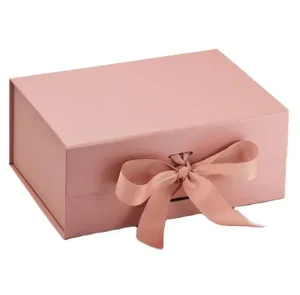
Shipping voluminous packaging materials globally can lead to high carbon emissions. To mitigate this, our structural engineers specialize in designing flat-pack magnetic boxes (collapsible rigid boxes). These structures utilize double-sided industrial adhesive strips and integrated structural magnets, allowing them to ship flat to Denmark, which can reduce transport volume by up to 75%. Upon arrival, logistics personnel or retail staff can assemble them into rigid gift boxes in seconds, lowering both shipping costs and emissions.
Highly functional packaging solutions customized for cosmetics, e-commerce, food and lifestyle products for the Danish market.
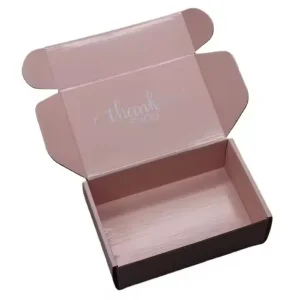

Get technical answers about compliance, structural design, logistics, and material certifications.
We support compliance by using mono-material cardboards (FSC certified) and water-based varnishes instead of plastic laminations. This approach maximizes the circularity score under the Danish EPR fee system, which lowers waste fees for Danish importers. We also provide documentation showing the chemical safety of our adhesives and soy-based inks.
Yes. Our structural design team specializes in clean, minimalist styles. We utilize uncoated paper surfaces with high-quality tactile feel, micro-debossing, and precise die-cutting to create high-end visual appeal without relying on plastic coatings or heavy ink coverage.
Custom production runs typically require 12 to 18 days from digital proof approval. Sea transit to key ports such as Copenhagen or Aarhus generally ranges from 30 to 35 days. For urgent cosmetics releases, we also offer express air freight options with transit times of 5 to 7 days.
We provide digital structural mockups (CAD files) within 48 hours. Physical white samples (unprinted structural prototypes) can be made in 3 days, and full-color pre-production proofs are available within 5 to 7 days to ensure all structural fits and colors are correct before running bulk production.
Our MOQ for premium rigid boxes and customized magnetic closure boxes is 1,000 units per size/design. This minimum quantity allows us to optimize the setup of our automated KBA and Heidelberg offset presses, keeping pricing competitive for Danish cosmetics brands.
Contact our packaging engineering team for dynamic structural designs, materials advice, and a comprehensive quote within 24 hours.
 Doton Printing