Explore our premium grade packaging, fully certified and designed to comply with Sweden's environmental and circular standards.
Sweden is globally recognized as a vanguard in sustainable resource management and circular economy architectures. Guided by the Swedish Environmental Protection Agency (Naturvårdsverket) and strict national adaptations of the EU Single-Use Plastics Directive (SUPD), the Swedish market has set rapid timelines for eliminating petroleum-derived plastic containers. This environmental policy environment places immense responsibility on Swedish food services, bakeries, quick-service chains, and consumer goods companies. The transition is not merely about exchanging plastics for paper; it requires an engineered approach to materials that can withstand moisture, heat, grease, and logistical stresses while remaining fully organic and biodegradable.
In urban hubs like Stockholm, Gothenburg, and Malmö, consumer preferences are highly attuned to ecological principles. The KRAV-certified organic food boom and widespread expectations for zero-emission delivery demand that packaging partners offer functional guarantees. Paper-based food boxes must comply with rigorous regulations concerning chemical safety, specifically avoiding PFAS and phthalates. Simultaneously, Swedish businesses are seeking localized solutions that seamlessly integrate with local recycling facilities, where Sweden’s high-efficiency sorting loops (FTI - Förpacknings- och Tidningsinsamlingen) require mono-material and easily repulpable fiber structures. As a result, standard PE-lined containers are rapidly being replaced by bio-polyethylene (bio-PE), polylactic acid (PLA), and innovative water-based barrier coatings.
On a global scale, the food packaging industry is undergoing a structural transformation. Traditional petrochemical coatings are being systematically phased out due to rising raw material volatility, international carbon tax mechanisms, and growing ESG reporting mandates. Major international retail and quick-service restaurant (QSR) brands are committing to 100% recyclable, reusable, or compostable consumer-facing packaging by 2025–2030. In response, primary paper manufacturers and converters are moving toward forest-positive models.
Sustainable sourcing via the Forest Stewardship Council (FSC) and Program for the Endorsement of Forest Certification (PEFC) has evolved from a premium branding strategy into an essential baseline requirement. Fiber optimization—using less virgin pulp while retaining structural integrity through advanced micro-flute corrugated engineering (such as E-flute and F-flute structures)—is driving down package weights and reducing overall carbon footprints. Geopolitically, the shift from high-emissions processing to clean production technologies, powered by renewable energy and low-VOC soy-based inks, is redefining the competitive landscape for international packaging suppliers.
Delivering food boxes to a high-expectation market like Sweden requires rigorous engineering and material science. We approach packaging design through a series of key technical stages:
We source certified FSC-certified Kraft paper and Solid Bleached Sulfate (SBS) boards. Our focus is on high-yield fibers that provide robust burst strength and structural stiffness, even under damp conditions.
Instead of traditional PE liners, we apply bio-degradable dispersion barriers. These barriers offer excellent resistance to hot grease, steam, and food acids, and easily break down during standard recycling repulping processes.
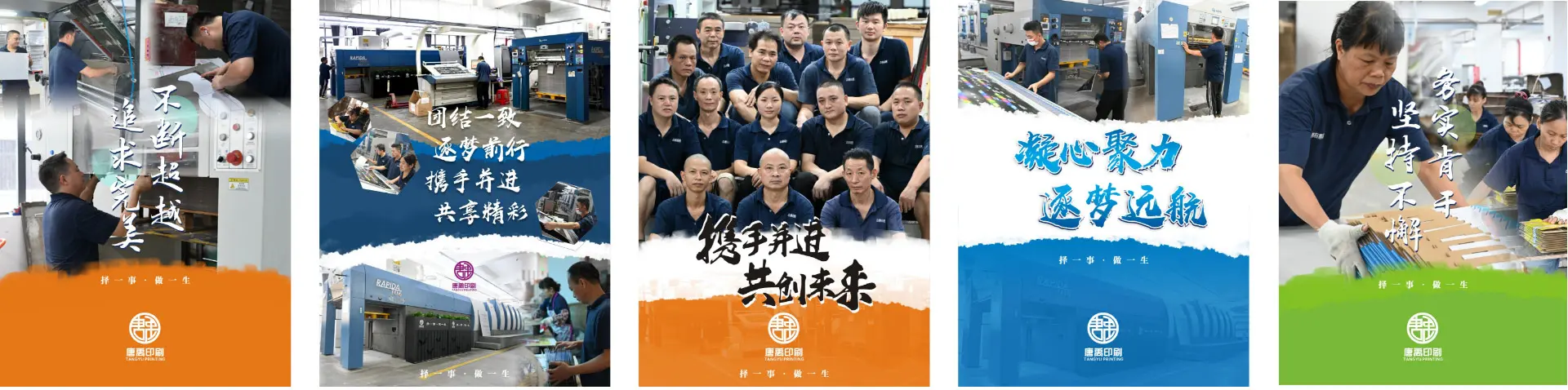
Our production facilities utilize modern KBA and Heidelberg offset presses, complemented by CTP (Computer-to-Plate) technology. This system delivers sharp details, accurate PANTONE matching, and deep color density.
We use soy-based and water-based inks that do not emit harmful VOCs. This ensures food-contact safety and simplifies the chemical recovery process at recycling plants.
By maintaining control over the entire supply chain—from initial CAD structural plotting and digital sample prototyping to high-speed die-cutting and folding-gluing—we guarantee structural reliability. Our manufacturing facilities are certified to international standards, including ISO 9001, ISO 14001, and CE markings, ensuring compliance with strict European food contact regulations (EC No. 1935/2004).
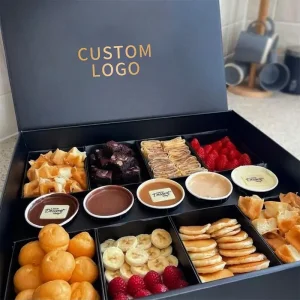
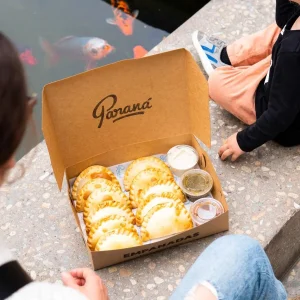
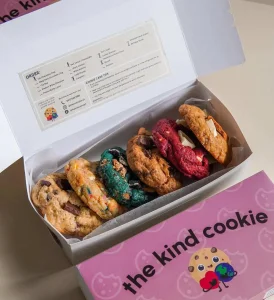
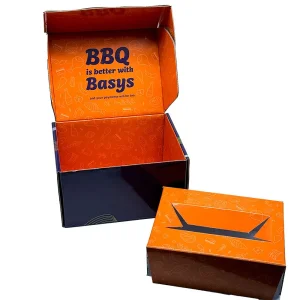
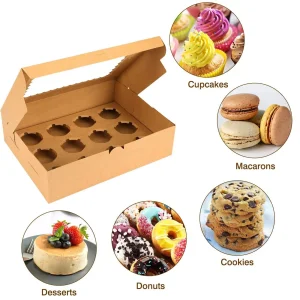
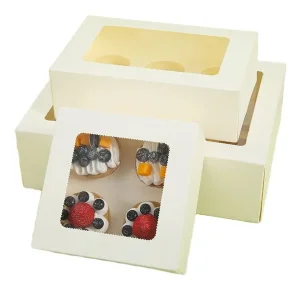
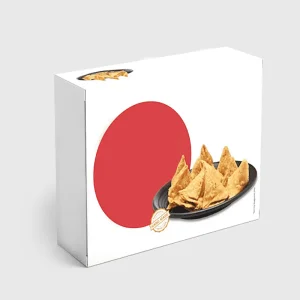
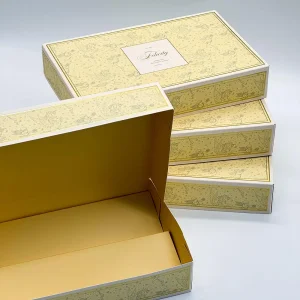
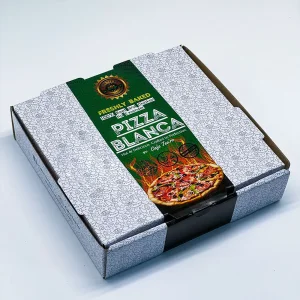
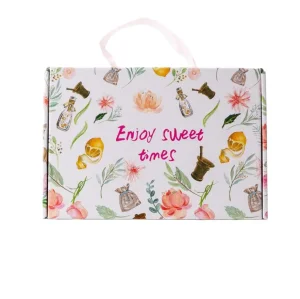
To illustrate the functional adaptability of our packaging systems, we look at four common scenarios across the Swedish hospitality and retail sectors:
Partner with an FSC-Certified, CE-Compliant Global Food Box Manufacturer and obtain custom-branded solutions tailored for your business.
Send Inquiry NowEstablished in 2009, Zhuhai Doton Printing (Doton Pack) is a leading paper packaging manufacturer in China, offering end-to-end design and manufacturing solutions. Our production system is engineered to meet the strict quality standards of the European and Swedish markets:

Zhuhai Doton Printing operates out of a highly automated facility dedicated to quality, precision, and environmental stewardship. By integrating CAD plotting, digital pre-press checks, and automated folder-gluers, we maintain consistency across production runs.
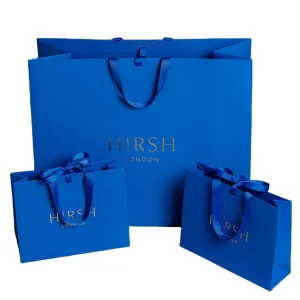
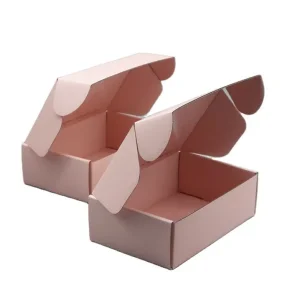
A comprehensive range of custom-printed containers, retail boxes, and transport solutions designed to meet European standards.
 Doton Printing